






Doha, Qatar – Qatar is actively working with its international partners to accelerate the implementation of a second phase to the Gaza ceasefire agreement, officials stated Tuesday. The ongoing humanitarian crisis in the Gaza Strip has been described as “man-made” by Qatari officials, who emphasize the urgent need for increased aid delivery and the removal of obstacles hindering access to the region. This comes amid continued regional tensions and diplomatic efforts to prevent further escalation.
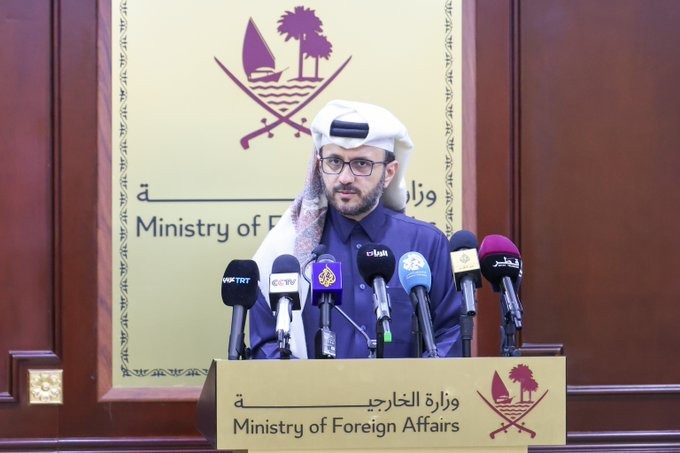
Speaking at the Ministry of Foreign Affairs’ weekly press briefing, Dr. Majid bin Mohammed Al Ansari, Adviser to the Prime Minister and Official Spokesperson, reiterated Qatar’s position that the obstruction of humanitarian aid, delays in reconstruction materials, and restrictions on the Rafah crossing are exacerbating the suffering of civilians in Gaza. He stressed that using aid as a political tool is unacceptable and that the international community bears a significant responsibility to ensure its unimpeded flow.
Qatar’s Mediation Efforts in Gaza
According to Dr. Al Ansari, Qatar, alongside Egypt and the United States, is maintaining almost daily contact with relevant parties to overcome the remaining hurdles to the second phase of the agreement. The first phase, which saw the release of hostages and a temporary pause in fighting, is considered a substantial achievement, but the focus now is on expanding the scope of relief for the Palestinian population.
The primary sticking point appears to be the Israeli government’s reluctance to proceed, with Qatar believing the agreement is fully prepared for implementation. The second phase reportedly outlines specific contact lines and withdrawal zones, crucial for establishing a more sustainable cessation of hostilities and allowing for increased humanitarian access. All living hostages are now in Israel, with only one body still awaiting repatriation.
Humanitarian Concerns and Aid Delivery
The Ministry of Foreign Affairs highlighted the deteriorating humanitarian situation in Gaza, emphasizing that the crisis is not a result of natural causes but rather a consequence of restricted access and deliberate obstruction. The lack of essential supplies, including medical equipment and food, is leading to a rise in casualties and a deepening of the suffering among the civilian population. Humanitarian access remains a critical concern for international organizations.
Qatar continues to call for the unconditional entry of aid into Gaza, rejecting any attempts to link assistance to political concessions. This stance reflects Qatar’s long-held commitment to the Palestinian cause and its belief in the importance of upholding international humanitarian law.
Regional Security and Diplomatic Engagement
Beyond the situation in Gaza, Dr. Al Ansari addressed broader regional security concerns. He affirmed that the security of Qatar’s citizens and residents is the government’s top priority, and that necessary precautionary measures are being taken. While the region remains tense, he indicated that there has been no actual military escalation thus far.
Qatar is actively engaged in diplomatic efforts to de-escalate tensions, maintaining communication with various regional and international actors. The country consistently advocates for peaceful resolutions to conflicts, warning that any further military action would have catastrophic consequences for the entire region. Qatar’s role in regional mediation is widely recognized.
Recent diplomatic activity includes intensive contacts between Qatar’s Prime Minister and Minister of Foreign Affairs, Sheikh Mohammed bin Abdulrahman bin Jassim Al-Thani, and Iranian Foreign Minister Dr. Abbas Araghchi, as well as discussions between US officials and their Iranian counterparts. Qatar supports these dialogues as a vital pathway to resolving disputes and fostering stability.
Regarding US tariffs on countries trading with Iran, Qatar stated its commitment to complying with international sanctions where there is broad international consensus. However, the current geopolitical landscape presents complexities, and Qatar believes diplomatic solutions remain possible.
Additionally, Qatar hosted the third Qatar-Japan Strategic Dialogue, focusing on strengthening bilateral ties in areas such as trade, investment, and security. The Prime Minister also met with US officials to discuss strategic cooperation and economic partnerships.
Qatar also strongly condemned Israel’s recognition of Somaliland, viewing it as a violation of international law and an infringement on Somalia’s sovereignty and territorial integrity. The country reaffirmed its unwavering support for Somalia’s unity and the Palestinian cause.
Looking ahead, the immediate focus remains on securing the implementation of the second phase of the Gaza ceasefire agreement. The success of these efforts hinges on overcoming the remaining obstacles and fostering a renewed commitment to dialogue from all parties involved. The international community will be closely watching for further developments and assessing the potential for a more lasting resolution to the conflict.