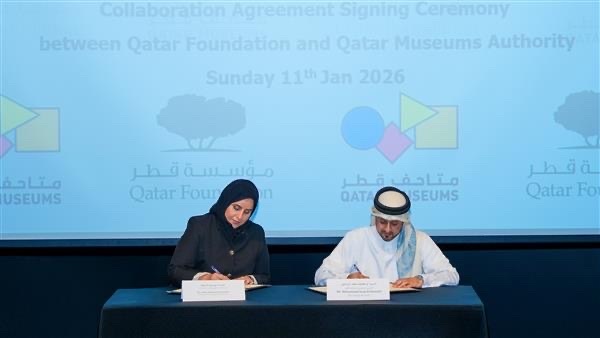

Doha, Qatar – Qatar Foundation (QF) and Qatar Museums have formalized a collaboration aimed at bolstering the nation’s education and knowledge ecosystem. The agreement, signed within the framework of QF’s Rasekh pre-university education initiative, will focus on integrating cultural expertise and resources into educational materials, strengthening Qatar’s national identity and promoting lifelong learning. This partnership underscores a commitment to developing curricula deeply rooted in the local context.
The signing took place in Doha on January 13, 2024, and represents a significant step in aligning educational goals with Qatar’s cultural heritage. Both organizations emphasized the importance of national partnerships in preparing students for future academic and professional success. The initiative is expected to impact students across Qatar’s pre-university education system.
Strengthening National Identity Through Education
The core objective of the collaboration is to enrich the content of Rasekh’s platforms – encompassing written, audio, visual, and print media – with culturally relevant knowledge. This will be achieved through the development of new educational materials and curricula in both Arabic and English, according to a QF press release. A key focus will be on reinforcing the Arabic language alongside Qatari and Islamic values.
Abeer Al Khalifa, President of QF’s Pre-University Education, stated that Rasekh is built on the belief that understanding one’s local context is fundamental to meaningful education. She highlighted the initiative’s aim to move beyond traditional learning frameworks and embrace discovery-based approaches.
The Role of the Knowledge Bank
A central component of the partnership is the establishment of a “Knowledge Bank.” This platform will serve as a comprehensive repository of knowledge and expertise available across various Qatari institutions. The Knowledge Bank is designed to facilitate access to these resources for students and the wider community, promoting exploration of academic disciplines and career pathways.
According to QF, the Knowledge Bank will highlight the roles and needs of different scientific and professional fields within Qatar. This is intended to foster a more informed approach to educational and career choices among students. The initiative also aims to cultivate critical thinking and innovation skills.
Mohammed Saad Al Rumaihi, CEO of Qatar Museums, echoed this sentiment, emphasizing a shared commitment to placing culture and knowledge at the heart of education. He noted that Qatar Museums will contribute its cultural and research expertise, particularly within the context of the “Evolution Nation” celebration of the organization’s cultural journey. This collaboration aligns with Qatar’s broader cultural preservation efforts.
The partnership also seeks to enhance the educational impact of Qatar Museums’ resources. By integrating these resources into Rasekh’s platforms, the initiative aims to transform Qatar’s cultural heritage into dynamic and inspiring learning experiences. This includes leveraging museum collections, research findings, and educational programs.
This collaboration isn’t occurring in a vacuum. Qatar has been actively investing in its education system as part of its National Vision 2030, which prioritizes human capital development and a knowledge-based economy. The Rasekh initiative and its partnership with Qatar Museums are consistent with these long-term goals. Furthermore, the emphasis on Arabic language development reflects a broader regional trend towards strengthening linguistic identity.
Looking ahead, the immediate next step involves the detailed planning and development of the educational materials and the Knowledge Bank platform. A timeline for the full implementation of these components has not yet been announced, and the long-term success of the initiative will depend on ongoing collaboration and resource allocation. Observers will be watching to see how effectively the Knowledge Bank integrates resources from diverse national institutions and how significantly it impacts student engagement and educational outcomes.
The integration of national efforts is seen as crucial for building a generation equipped for critical thinking, innovation, and active community participation, according to Al Khalifa. The Rasekh initiative is presented as a strategic step towards achieving this vision.