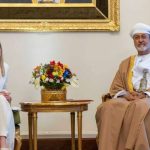
Doha, Qatar – The State of Qatar is hosting the 298th session of the Inter-Parliamentary Union (IPU) Executive Committee, underscoring its commitment to multilateral diplomacy and strengthening the role of parliamentary institutions globally. The meeting, which began today, brings together key parliamentary leaders to discuss the IPU’s strategic direction and address pressing international challenges. This event highlights Qatar’s proactive stance on international cooperation and its dedication to fostering dialogue on issues of peace, development, and human rights.
The two-day session is taking place in Doha with the participation of members from around the world. According to the Qatar News Agency (QNA), discussions will center on the implementation of the IPU’s current strategy and the formulation of its objectives for the next five years. The IPU Executive Committee serves as a crucial advisory body, shaping the Union’s work and ensuring its relevance in a rapidly changing world.
Qatar and the Inter-Parliamentary Union: A Focus on Global Governance
Qatar’s hosting of the IPU Executive Committee meeting is consistent with its long-held foreign policy of supporting international organizations and initiatives. The country views parliamentary diplomacy as a vital component of broader efforts to resolve conflicts and promote sustainable development. This commitment was affirmed by Dr. Hamda bint Hassan Al Sulaiti, Deputy Speaker of the Shura Council, who emphasized the nation’s dedication to collaborative problem-solving.
Strategic Review and Future Direction
A primary focus of the meeting is a comprehensive assessment of the IPU’s current strategic plan. Participants will evaluate the successes and shortcomings of existing programs and identify areas for improvement. Additionally, the committee will begin outlining the general direction of the next five-year strategy, taking into account emerging global trends and the evolving needs of national parliaments. This process is expected to yield a roadmap for the IPU’s future activities, ensuring its continued effectiveness.
Enhancing Parliamentary Mechanisms
The agenda also includes several organizational and parliamentary issues aimed at enhancing the IPU’s operational capacity. Specifically, members will deliberate on proposed amendments to the Union’s statutes and review the rules governing voting procedures on emergency items at the General Assembly. These discussions are intended to streamline decision-making processes and increase the IPU’s responsiveness to urgent global crises. The goal is to create a more agile and impactful organization.
Dr. Tulia Ackson, President of the IPU and Chair of the Executive Committee, noted the committee’s role as a platform for in-depth analysis of issues facing the IPU. She encouraged members to contribute their expertise and diverse perspectives to strengthen the Union’s performance and expand its international influence. The meeting provides a unique opportunity for parliamentarians to exchange ideas and forge consensus on key priorities.
On the sidelines of the formal sessions, members of the Executive Committee visited the Shura Council building and toured an exhibition detailing the Council’s history and development. This visit offered insights into Qatar’s own parliamentary journey and its commitment to strengthening its legislative institutions. The exchange between IPU leaders and Qatari council members is expected to foster greater understanding and collaboration.
The discussions surrounding the IPU’s strategy come at a critical juncture, as the world faces a multitude of interconnected challenges, including climate change, geopolitical instability, and economic inequality. Effective multilateralism and strong parliamentary engagement are seen as essential to addressing these issues. The concept of parliamentary diplomacy, as promoted by the IPU, is gaining increasing recognition as a valuable tool for conflict prevention and peacebuilding.
Following the conclusion of the Executive Committee meeting, the recommendations and proposed strategies will be submitted to the IPU’s governing bodies for further consideration. The timeline for the finalization and implementation of the new five-year strategy remains uncertain, but is anticipated before the next General Assembly. Observers will be watching to see how the discussions in Doha shape the IPU’s future work and its ability to address the complex challenges facing the international community. The outcome will likely influence the organization’s priorities regarding human rights and sustainable development goals.