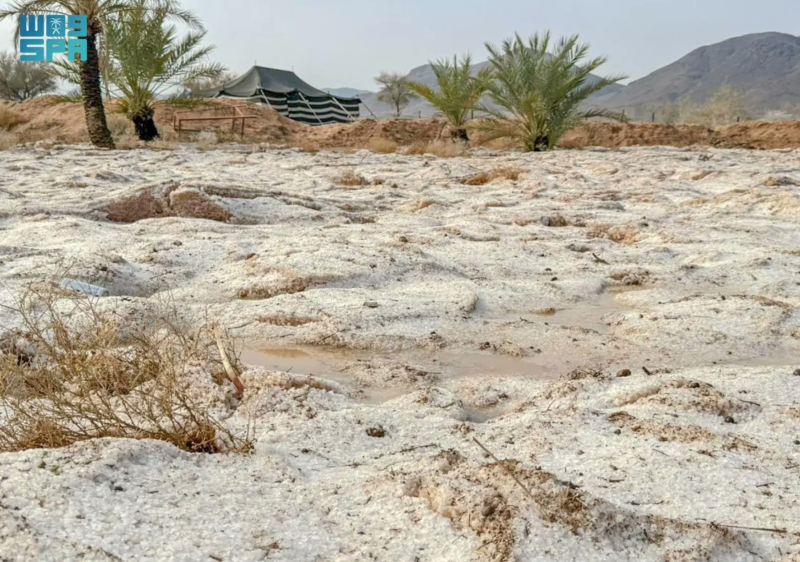

Saudi Arabia is bracing for a significant cold snap, with the National Center for Meteorology (NCM) forecasting a substantial temperature drop across much of the country starting Wednesday. Sub-freezing temperatures are anticipated in northern and central regions, potentially impacting daily life and requiring residents to take precautions against the cold. The NCM expects these conditions to persist through Saturday, January 17th.
The cold wave will initially affect the Tabuk, Al-Jawf, Northern Borders, and Hail regions, as well as the northern parts of the Madinah region. Minimum temperatures in these areas are predicted to fall between -3°C and -1°C, with the possibility of frost during the night and early morning. Further south, the Qassim region, northern parts of the Eastern Province, and Riyadh are also expected to experience freezing conditions later in the week.
Understanding the Current Temperature Drop in Saudi Arabia
This period of intense cold is attributed to an influx of a cold air mass moving southward across the Kingdom. According to the NCM, this is not an unusual occurrence during the winter months in the northern and central areas of Saudi Arabia, but the predicted intensity is noteworthy. The timing coincides with the mid-school-year break, potentially affecting travel plans and outdoor activities.
The NCM has been actively issuing weather advisories in recent weeks, highlighting both increased rainfall and the potential for colder-than-average temperatures. These alerts demonstrate a proactive approach to informing the public about changing weather patterns. The Kingdom has experienced varied weather conditions in recent years, prompting increased investment in meteorological monitoring and forecasting capabilities.
Regional Forecast Details
The initial impact zone, encompassing Tabuk, Al-Jawf, and surrounding areas, is accustomed to colder temperatures during winter. However, the forecast suggests this week’s conditions will be particularly severe. Residents in these regions should prepare for potential disruptions to daily routines and ensure adequate protection from the cold.
As the cold air mass progresses southward, the Qassim region and parts of the Eastern Province will see a marked decrease in temperatures. The NCM anticipates minimums ranging from -4°C to 1°C in these areas. This represents a significant shift from typical January weather and could pose challenges for agriculture and infrastructure.
Riyadh, the capital, is also expected to feel the effects of the cold wave, with temperatures potentially dropping below freezing. While Riyadh doesn’t typically experience prolonged periods of sub-zero temperatures, the forecast warrants attention and preparation. The city’s infrastructure is generally equipped to handle moderate cold, but extended freezing conditions could lead to issues.
The NCM’s forecasts also indicate a possibility of increased humidity in some areas, which could exacerbate the feeling of cold. This combination of low temperatures and high humidity can create challenging conditions, increasing the risk of hypothermia. Staying dry and layering clothing are crucial preventative measures.
The impact on agriculture is a key concern. Frost can damage crops, particularly those sensitive to cold temperatures. Farmers in affected regions are likely taking steps to protect their yields, such as covering plants or utilizing irrigation techniques. The extent of any agricultural losses will become clearer in the coming days.
Transportation could also be affected, particularly in areas prone to ice formation on roads. While Saudi Arabia doesn’t typically experience widespread icy conditions, localized freezing could create hazardous driving situations. Authorities are likely monitoring road conditions and preparing to deploy resources if necessary.
The Ministry of Health has not issued specific advisories related to the cold weather, but generally recommends that individuals, especially the elderly and those with chronic health conditions, take extra precautions during periods of low temperatures. This includes staying warm, avoiding prolonged exposure to the cold, and seeking medical attention if symptoms of hypothermia develop.
The current weather forecast highlights the importance of accurate and timely meteorological information. The NCM’s ongoing monitoring and public alerts are vital for ensuring the safety and well-being of residents. Investment in advanced weather modeling and observation technologies continues to improve the precision of these predictions.
Looking ahead, the NCM will continue to monitor the progression of the cold air mass and provide updated forecasts. The duration and intensity of the cold snap remain subject to change, and residents are advised to stay informed through official channels. The situation will be closely watched to assess any potential impacts on infrastructure, agriculture, and public health. The NCM expects to release a revised forecast on Thursday, January 16th, providing a clearer picture of the conditions expected through the weekend.
The potential for freezing temperatures also raises awareness about energy consumption. Increased demand for heating could strain the power grid, and residents are encouraged to conserve energy where possible. The Kingdom is actively diversifying its energy sources to enhance resilience and reduce reliance on fossil fuels.
While the winter weather is expected to be challenging, Saudi Arabia is generally well-prepared to handle such conditions. The NCM’s proactive approach and the country’s robust infrastructure are key factors in mitigating potential risks. However, vigilance and adherence to safety guidelines remain essential for all residents.