






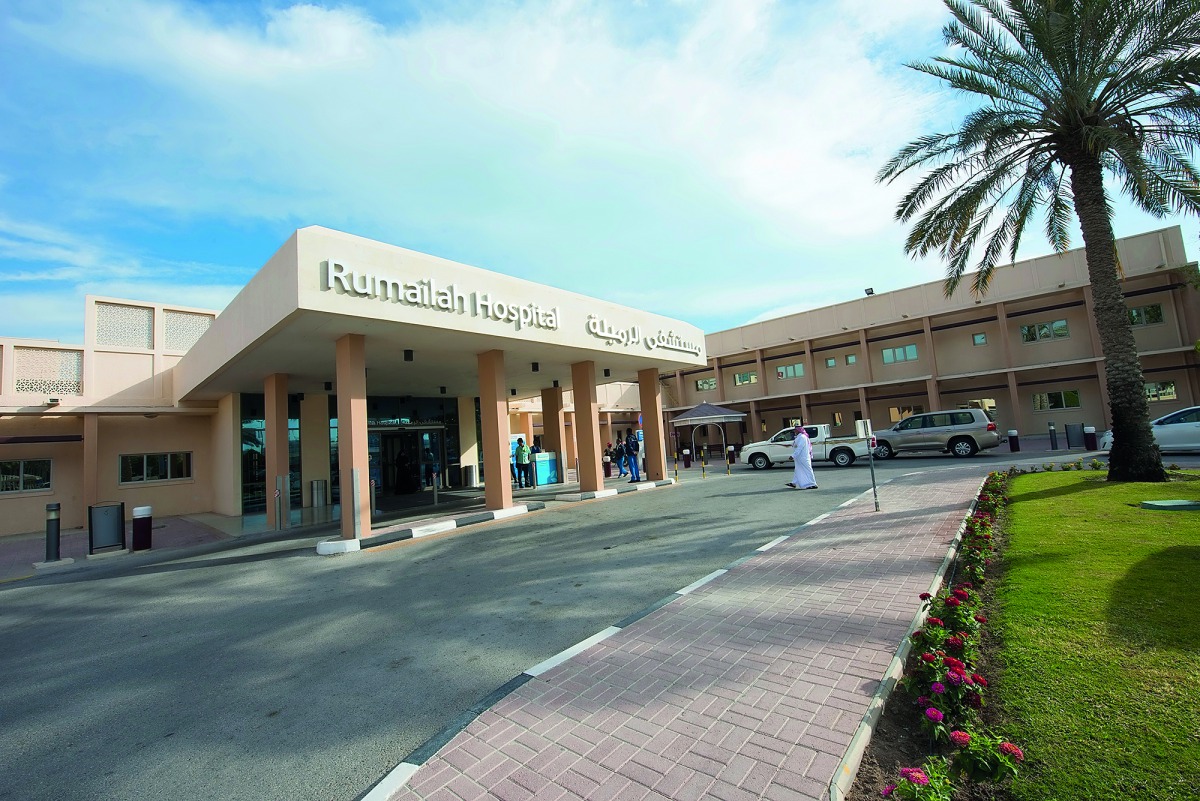

Doha, Qatar – The Sarcopenia Clinic at Rumailah Hospital is addressing a growing health concern in Qatar as the nation’s population ages. Since opening in 2023, the clinic has treated 641 older adults for sarcopenia, a condition characterized by age-related muscle loss and weakness. New patient registrations increased by 83 percent in 2025 compared to 2024, demonstrating the increasing demand for specialized geriatric care.
Located in Doha, the clinic provides comprehensive assessment and treatment for sarcopenia and related conditions, aiming to improve the quality of life for older adults. The World Health Organization recognizes sarcopenia as a significant public health issue linked to increased risks of falls, disability, hospitalization, and loss of independence.
Understanding and Addressing Sarcopenia in Qatar
As Qatar experiences demographic shifts with a rising proportion of elderly citizens, the prevalence of age-related conditions like sarcopenia is naturally increasing. According to the Ministry of Public Health, Qatar’s population aged 65 and over is projected to continue growing in the coming decades, necessitating expanded healthcare resources focused on healthy aging. This trend underscores the importance of preventative measures and specialized clinical services.
Sarcopenia isn’t simply a result of aging; it’s a complex condition influenced by factors like reduced physical activity, poor nutrition, and underlying health issues. Early detection is crucial, as interventions can significantly slow its progression and improve outcomes. The Sarcopenia Clinic focuses on identifying individuals at risk, even before symptoms become severe – a stage known as pre-sarcopenia.
A Multidisciplinary Approach to Patient Care
The clinic’s success stems from its collaborative, multidisciplinary team. Geriatric doctors, physiotherapists, dietitians, and nursing staff work together to create personalized care plans tailored to each patient’s specific needs and goals. This holistic approach addresses not only physical strength but also nutritional status and overall well-being.
Patients undergoing assessment benefit from several diagnostic tools, including bioelectrical impedance analysis (BIA) to accurately measure muscle mass. This data, combined with functional assessments of balance, gait, and strength, informs the development of targeted exercise programs and dietary recommendations. These programs are regularly reassessed and adjusted to ensure continued progress.
Positive Clinical Outcomes and Patient Feedback
Clinical data from the Sarcopenia Clinic demonstrates tangible improvements in patient health. Patients consistently show gains in muscle strength, balance, walking speed, and overall mobility following treatment. Importantly, the benefits extend beyond physical function; many patients report increased confidence and a greater ability to perform daily activities independently.
The clinic has also observed a reduction in fall risk among patients previously identified as high-risk. This is a particularly significant outcome, as falls are a leading cause of injury and hospitalization among older adults. Patient and caregiver feedback has been overwhelmingly positive, praising the clinic’s supportive environment and practical guidance on maintaining muscle health and promoting healthy ageing.
Additionally, the clinic’s work aligns with broader national health priorities focused on preventative care and improving the quality of life for Qatar’s aging population. The emphasis on maintaining daily function is a key component of the World Health Organization’s Healthy Ageing principles.
Looking ahead, the Ministry of Public Health is evaluating the potential for expanding the Sarcopenia Clinic’s services and replicating its model in other healthcare facilities across Qatar. Further research is planned to assess the long-term impact of early intervention on the progression of sarcopenia and related health outcomes. The timeline for potential expansion and the availability of additional funding remain uncertain, but the growing demand for geriatric care suggests continued investment in this area is likely.