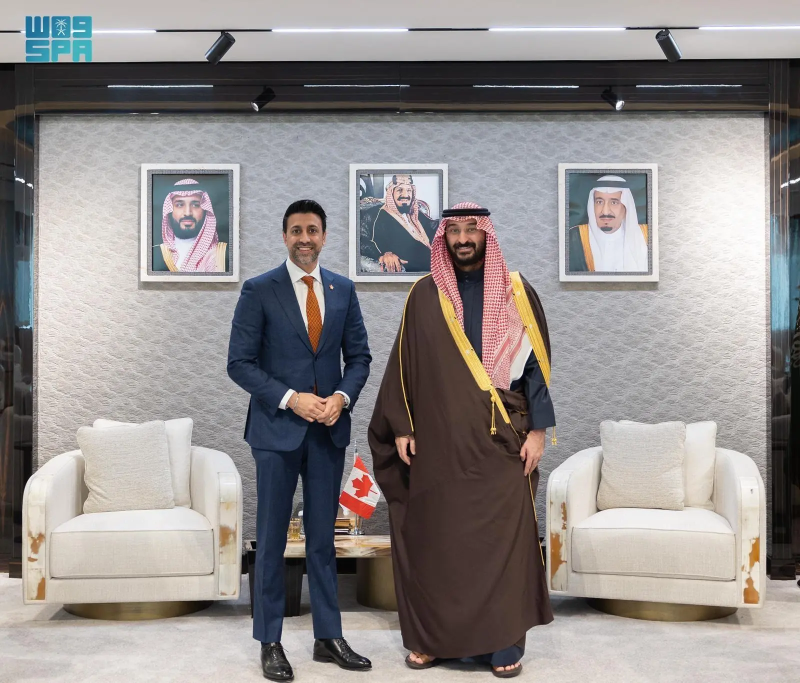

RIYADH — Saudi Arabia and Canada are exploring expanded economic cooperation, particularly in the burgeoning field of artificial intelligence (AI). Meetings held in Riyadh on Monday between Canadian Minister of International Trade Maninder Sidhu and Saudi ministers signaled a mutual intent to strengthen bilateral ties and attract investment. The discussions focused on technology, innovation, and market access for businesses in both nations.
Minister Sidhu first met with Minister of National Guard Prince Abdullah bin Bandar, engaging in general discussions about areas of shared interest. Later, he held more focused talks with Minister of Communications and Information Technology Abdullah Alswaha, pinpointing specific opportunities within the digital economy.
Strengthening Saudi-Canada Ties Through Artificial Intelligence
The meetings underscore Saudi Arabia’s ambitious Vision 2030 plan, which prioritizes diversification away from oil and the development of a knowledge-based economy. Central to this effort is becoming a global leader in artificial intelligence (AI), and Canada is viewed as a key partner, given its established expertise and innovation in the sector. According to reports, the Saudi government is actively seeking foreign investment to accelerate this transformation.
Focus on Investment and Entrepreneurship
A core element of the discussion between the ministers involved identifying avenues to encourage Canadian investment in Saudi Arabia. Several promising sectors were specifically mentioned, though details remained broad. The Ministry of Communications and Information Technology indicated a desire to see investment flow into areas aligned with the nation’s digital infrastructure goals.
Supporting the entrepreneurial ecosystem was also highlighted. Both countries recognize the importance of fostering innovation through small and medium-sized enterprises (SMEs). Discussions likely involved potential programs and initiatives aimed at connecting Saudi and Canadian startups and facilitating knowledge transfer.
Expanding Digital Economy Partnerships
Beyond investment, the ministers explored collaboration on advanced technologies, including AI. Saudi Arabia’s National Strategy for Data and AI, launched in 2020, outlines a roadmap for responsible AI adoption and aims to establish a robust data infrastructure. Canada’s experience in AI research and development could prove invaluable as Saudi Arabia implements this strategy.
The scope of potential cooperation extends to areas like machine learning, data analytics and the ethical implementation of artificial intelligence (AI). The ministers also talked about creating clearer pathways for businesses from both countries to access each other’s markets. This could involve addressing regulatory hurdles and streamlining trade processes.
Meanwhile, enhanced collaboration in digital infrastructure development offers additional synergy. Saudi Arabia is investing heavily in projects like NEOM, a futuristic smart city, which presents numerous opportunities for Canadian companies specializing in smart technologies and sustainable urban development. Related discussions regarding cybersecurity are also expected to be a part of the ongoing discourse.
In contrast to solely focusing on technology, the exchange of pleasantries and discussion of “mutual interests” with Prince Abdullah bin Bandar suggests broader diplomatic considerations are at play. Strengthening political relationships can often pave the way for deeper economic integration, opening doors for future cooperation beyond the immediate scope of artificial intelligence (AI) and digital technology.
The timing of these meetings is significant, occurring amidst a global push for technology leadership and a growing recognition of the economic potential of data and AI. Saudi Arabia’s relatively recent and large-scale commitment to these fields, combined with Canada’s existing capabilities, presents a unique opportunity for mutually beneficial partnership. Furthermore, ongoing geopolitical shifts are likely prompting both nations to diversify their economic relationships.
Additionally, both nations are members of the World Trade Organization, indicating a shared commitment to rules-based international trade. This foundation of multilateral cooperation might simplify the establishment of new trade agreements and investment frameworks.
The ministry has not yet released specifics regarding potential agreements or timelines for implementation. However, the positive tone of the meetings indicates a commitment to follow-up discussions. Further details are anticipated after a working group, composed of representatives from both countries, analyzes the topics discussed and prepares concrete proposals.
Looking ahead, observers will be watching for the publication of a joint statement outlining specific commitments and a timetable for implementation. The outcomes of the planned working group discussions, expected within the next quarter, will be crucial in determining the depth and breadth of the Saudi-Canada cooperation in artificial intelligence (AI) and related fields. The extent to which regulatory alignment can be achieved will also be a key indicator of future success.