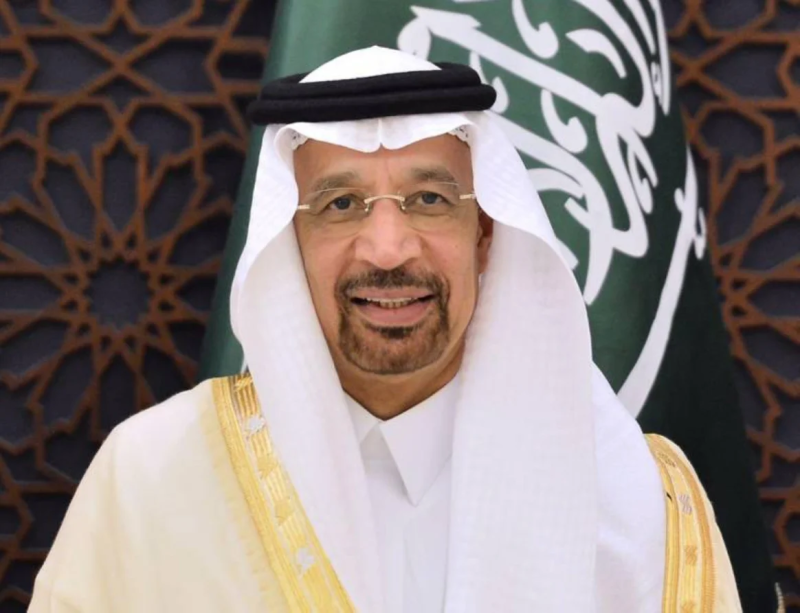

RIYADH – Saudi Arabia is experiencing a surge in foreign direct investment, with inflows doubling since the launch of Vision 2030 in 2016. Investment Minister Khalid Al-Falih announced that the Kingdom received SR119.2 billion in foreign direct investment in 2024, bringing the total stock of foreign investment to SR977.3 billion. This positive trend underscores the nation’s growing attractiveness as an investment destination amid economic diversification efforts.
The announcement came during the Saudi-Japanese Ministerial Forum held in Riyadh, where Al-Falih highlighted the strengthening economic ties between the two nations. Japan currently ranks as Saudi Arabia’s third-largest trading partner, with bilateral trade reaching SR138 billion – a 38% increase since 2016. The Kingdom aims to further bolster its global financial position through planned openings in key sectors.
The Rise of Foreign Direct Investment in Saudi Arabia
Saudi Vision 2030 is a strategic framework designed to reduce the Kingdom’s dependence on oil revenue and cultivate a diversified, sustainable economy. A key pillar of this vision focuses on attracting substantial foreign investment to various sectors, including manufacturing, tourism, and technology. The recent figures demonstrate significant progress toward that goal. According to the Ministry of Investment, the doubling of inflows represents a substantial boost to the Saudi economy.
Key Economic Partnerships
The relationship with Japan is particularly noteworthy. Al-Falih indicated that over 120 investment licenses have already been issued to Japanese companies seeking to operate within Saudi Arabia. Additionally, 18 Japanese firms have chosen Riyadh as the location for their regional headquarters, signaling confidence in the Kingdom’s business environment.
The Kingdom’s role as Japan’s primary energy supplier continues, but collaboration is increasingly focused on a broader range of initiatives. These include joint projects related to the global energy transition, signaling a commitment to sustainable development. Both nations recognize the importance of transitioning to cleaner energy sources.
The Ministry of Investment is actively working to streamline investment procedures and create a more welcoming regulatory landscape. This includes initiatives to improve ease of doing business and enhance investor protection. These efforts have contributed to a climate of increasing confidence among international investors.
Opening New Sectors
A crucial component of the Kingdom’s strategy involves opening up the real estate and financial markets to foreign investors by 2026. This move is anticipated to significantly strengthen Saudi Arabia’s position as a leading global financial center, attracting more capital and expertise. Experts predict increased competition within those sectors as a result.
This expansion builds on previous reforms, such as allowing 100% foreign ownership in various industries. These changes aim to remove barriers to entry and encourage greater participation from international companies. The long-term goal is to create a more dynamic and competitive economy.
The cultural exchange between Saudi Arabia and Japan also contributes to stronger economic ties. The Saudi pavilion at the upcoming Osaka Expo 2025 reportedly attracted over 3 million visitors, showcasing the Kingdom’s cultural heritage and investment opportunities. This high level of interest suggests a positive reception to Saudi Arabian initiatives in Japan.
The growth in trade with Japan, and increased investment from the country, is part of a wider trend of attracting investors from across the globe. The Kingdom is actively cultivating relationships with countries in Asia, Europe, and North America. This diversification of investment sources is a deliberate strategy to mitigate risk and foster sustainable growth.
While the increase in foreign direct investment is a positive sign, challenges remain. Global economic uncertainties and geopolitical tensions could potentially impact investment flows. Maintaining momentum requires continued commitment to economic reforms and a stable political environment. The report indicates that internal structural adjustments will be necessary to maximize benefits.
Looking ahead, the focus will be on implementing the planned market openings and capitalizing on the momentum generated by Vision 2030. The success of these initiatives will likely be monitored closely by both domestic and international observers. Further announcements regarding specific regulations and incentives for the real estate and financial sectors are expected before the 2026 deadline.
The Ministry of Investment has not yet released a detailed breakdown of the sectors receiving the most foreign direct investment in 2024. This information will be crucial for understanding the specific areas of growth and identifying potential opportunities for further investment. Investors will be watching for clarity on those figures in the coming months.
The Kingdom’s progress in attracting foreign capital will continue to be a key indicator of its economic transformation and its ability to achieve the ambitious goals outlined in Vision 2030. The ultimate impact of these investments on job creation and long-term economic sustainability remains to be seen.