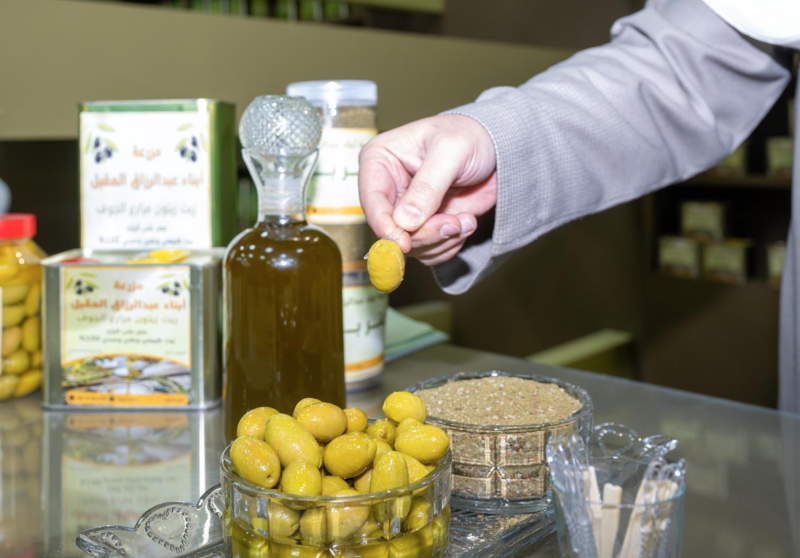

SAKAKA – The 19th Al-Jouf International Olive Festival, currently underway in Sakaka, Saudi Arabia, is bolstering the Al-Jouf Region’s reputation as a leading center for olive oil production within the Kingdom and beyond. The festival, organized by Al-Jouf Municipality, features the Olive Exhibition, showcasing the entire process from olive cultivation to finished products. The event runs through [Date – to be added based on current festival dates] and aims to facilitate both domestic sales and international export opportunities.
The annual festival draws participants from across the globe, with this year’s edition including representation from seven olive-producing countries, alongside 45 local farmers and 10 agricultural companies. Al-Jouf’s annual output exceeds 150,000 tons of table olives, making it a significant player in the global olive market. The event provides a platform for knowledge sharing and commercial partnerships within the agricultural sector.
Al-Jouf Region Solidifies Position as Olive Oil Hub
The Al-Jouf Region’s suitability for olive cultivation stems from its unique climate and soil conditions. The area experiences hot, dry summers and cool winters, ideal for olive tree growth. Additionally, the region benefits from substantial groundwater resources, crucial for irrigation in the arid environment. This combination has allowed Al-Jouf to cultivate over 23 million olive trees, a figure prominently displayed at the festival.
Expanding Production and Export
According to data from Al-Jouf Municipality, the region’s olive production has been steadily increasing over the past decade. This growth is attributed to both increased investment in agricultural technology and the expansion of cultivated land. The festival actively promotes the exploration of export markets, particularly within the Middle East and North Africa.
The Saudi government has identified the agricultural sector, including olive farming, as a key component of its Vision 2030 diversification plan. This initiative aims to reduce the Kingdom’s reliance on oil revenue and promote sustainable economic growth. Investment in agricultural infrastructure and research is expected to continue, further supporting the expansion of the olive industry.
Quality Control and Consumer Protection
Maintaining the quality of olive products is a top priority for Al-Jouf Municipality. All products exhibited at the festival undergo rigorous testing in seven laboratory analyses. These tests assess crucial parameters such as acidity levels, the presence of rancidity, and potential adulteration with other oils or substances.
Products are only permitted for sale to the public after receiving an official “approved” label from the municipality. This stringent quality control process aims to build consumer confidence and ensure that buyers receive authentic, high-quality olive oil and table olives. The municipality’s commitment to quality standards is seen as vital for maintaining Al-Jouf’s reputation in the international market.
However, challenges remain in scaling production while maintaining quality. The report indicates that some farmers may require additional training and resources to adopt best practices in olive cultivation and processing. Furthermore, logistical hurdles related to transportation and storage can impact the freshness and quality of the final product.
Meanwhile, the festival also serves as a platform for promoting sustainable agricultural practices. Several exhibitors are showcasing innovative techniques for water conservation and soil management. These efforts align with the Kingdom’s broader environmental goals and contribute to the long-term viability of the olive industry.
In contrast to some other agricultural sectors, the olive industry in Al-Jouf has demonstrated resilience to global supply chain disruptions. The region’s self-sufficiency in olive production and processing minimizes its dependence on imported inputs. This has helped to stabilize prices and ensure a consistent supply of olive products to both domestic and international markets.
The presence of international companies at the festival signals growing interest in sourcing olive oil from Saudi Arabia. Representatives from Italy, Spain, Greece, and other major olive-producing nations are reportedly exploring potential partnerships with local farmers and businesses. This increased international engagement is expected to drive further investment and innovation in the sector.
Looking ahead, Al-Jouf Municipality plans to conduct a comprehensive assessment of the festival’s impact on the local economy. The assessment will evaluate factors such as sales revenue, job creation, and increased tourism. The findings will inform future planning and help to optimize the festival’s contribution to the region’s economic development. Further expansion of the festival’s international reach and the implementation of advanced agricultural technologies remain key areas of focus for the coming years.