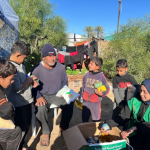

The Qatar Fund for Development (QFFD) continues to expand its impact as a significant contributor to global development and humanitarian aid. Focused on long-term empowerment rather than short-term fixes, QFFD has directed substantial resources to vulnerable communities worldwide, particularly in areas facing political instability and economic hardship. Recent agreements and ongoing projects underscore Qatar’s commitment to sustainable development, aligning with both the United Nations Sustainable Development Goals and its own national vision.
Qatar Fund for Development Prioritizes Sustainable Solutions
Established as the primary organization for Qatar’s foreign aid, QFFD distinguishes itself through a strategic emphasis on capacity building. According to Director of Public Relations and Communications, Abdulrahman Abdulreda Al Lenjawi, the fund’s core approach centers on investing in people and communities through education, healthcare, and economic opportunities, with humanitarian response integrated during crises.
Expanding Reach and Impact
Over the past several years, QFFD aid has reached populations in Afghanistan, Bangladesh, Iraq, Jordan, Lebanon, Malaysia, and South Sudan, among other nations. The United Nations Refugee Agency (UNHCR) recognizes QFFD as a key partner and one of its largest donors, highlighting the fund’s crucial role in addressing global displacement challenges. This support extends to programs specifically targeting women and youth, recognizing their pivotal role in long-term stability.
Recent initiatives demonstrate the breadth of QFFD’s work. The fund launched Qatar Creating Vision, dedicated to improving eye care services, and Nanmu (Growth Together), which focuses on empowering children and young people. Additionally, QFFD supports UNICEF’s Generation Unlimited, a digital education initiative aimed at bridging the learning gap for millions of young people.
Beyond these flagship programs, QFFD has undertaken significant infrastructure projects. A $50 million development loan was provided to bolster the Gulf electricity interconnection system, extending its reach to southern Iraq and enhancing regional energy security. A substantial $702 million grant has been allocated to Syria’s energy sector, aiming to increase power generation and support reconstruction efforts. These investments in critical infrastructure are designed to create lasting economic benefits.
Focus on Healthcare and Economic Independence
Healthcare forms a major pillar of QFFD’s strategy. The fund recently rehabilitated and reopened the Sheikh Hamad bin Khalifa Al-Thani Rehabilitation and Prosthetics Hospital in Gaza, damaged during previous conflicts. A new branch of the hospital was also opened in the south of the territory, expanding access to essential rehabilitation services.
Economic empowerment initiatives are equally important. In Afghanistan, QFFD has implemented programs supporting women in the textile and handicraft industries, helping thousands achieve financial independence. This approach to development emphasizes creating sustainable livelihoods and fostering resilience within fragile communities.
Last year, QFFD signed 16 strategic agreements totaling $526.6 million, a testament to its growing commitment and expanding network of partnerships. These agreements are expected to benefit millions across the globe. Furthermore, cooperation with UN agencies remains central to its strategy, focusing on long-term, core funding to ensure the sustainability of critical operations.
Strengthened Partnerships with UN Agencies
QFFD has committed significant financial resources to several UN bodies for the 2025-2026 period, including $16 million each to OCHA and UNDP, $8 million to UNICEF, and additional support for Generation Unlimited. The fund also allocated $1 million to UN Women and contributed to the UN Population Fund, alongside a pledge of $500 million in long-term core support for various UN agencies. This commitment underlines Qatar’s belief in a multilateral approach to development challenges.
Looking ahead, QFFD is expected to continue prioritizing long-term initiatives and strengthening its collaborations with international organizations. Future areas of focus could include expanding support for climate resilient infrastructure and increasing investments in renewable energy projects. The ongoing geopolitical landscape and evolving humanitarian needs will likely shape the fund’s priorities in the coming years, requiring flexibility and a continued commitment to evidence-based development practices.
Secondary Keywords: humanitarian aid, sustainable development, international aid
Keyword count: 6