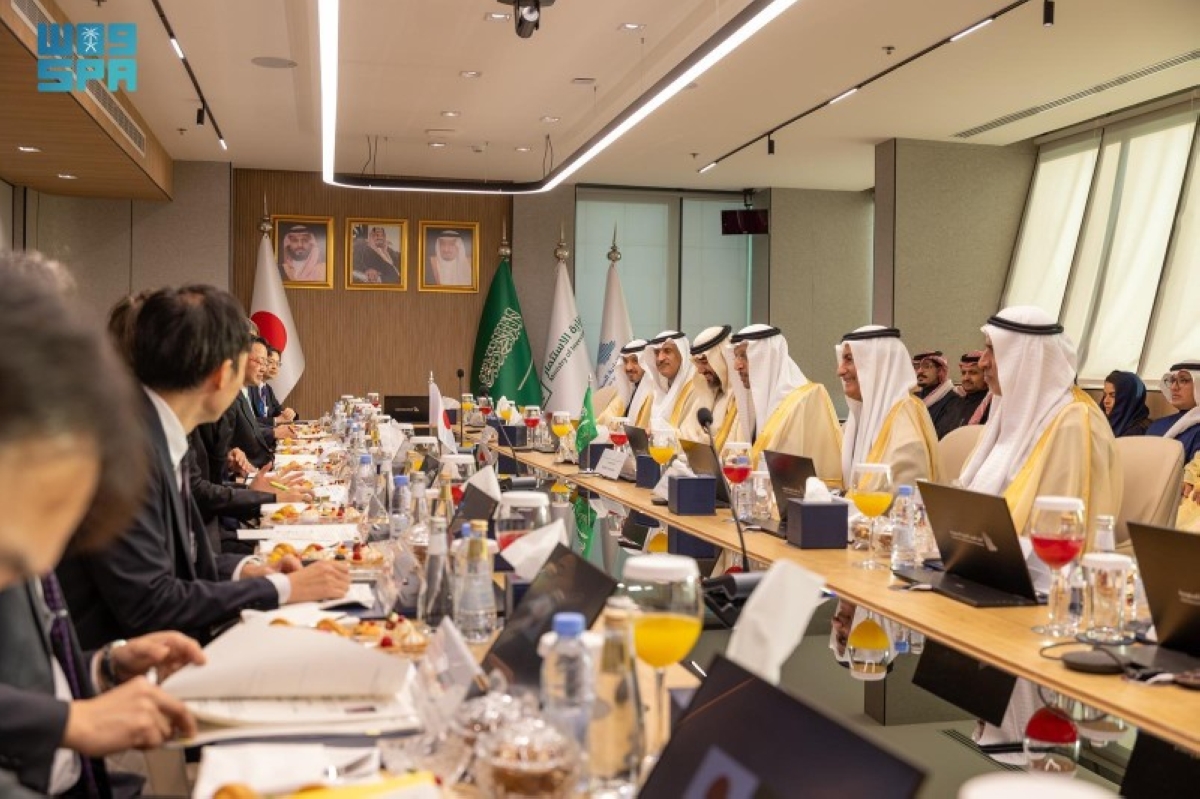

RIYADH — Saudi Arabia and Japan have solidified their commitment to collaborative space exploration and development with the signing of a new memorandum of cooperation. The agreement, facilitated by the Saudi Space Agency and several Japanese government entities, aims to foster joint initiatives in space technology and its peaceful applications. This marks a significant step in the Kingdom’s rapidly expanding space program and its increasing role within the global space community.
The memorandum of cooperation was signed on the sidelines of the tenth Saudi-Japanese Ministerial Investment Forum in Riyadh, which focused on enhancing economic ties between the two nations. Eleven cooperation agreements in total were announced during the forum, highlighting a broad push to deepen strategic partnerships. The Saudi Space Agency’s agreement was concluded with Japan’s Cabinet Office, the Ministry of Education, Culture, Sports, Science and Technology, and the Ministry of Economy, Trade and Industry.
Strengthening Saudi Arabia’s Position in Space
This collaboration represents a key component of Saudi Arabia’s Vision 2030, a strategic framework aimed at diversifying the nation’s economy and reducing its reliance on oil. The development of a robust space sector is identified as a crucial element in achieving these goals, fostering innovation and creating high-skilled jobs. The Saudi Space Agency, established in 2018, has been actively pursuing international partnerships to accelerate this development.
The agreement outlines several specific areas for joint work. These include advanced space technologies, deep-space exploration, Earth observation, satellite manufacturing, launch vehicle development, and astronaut training. This broad scope suggests a long-term commitment to comprehensive collaboration, extending beyond individual projects.
Areas of Focus for Collaboration
Earth observation is a particularly important area of focus, with potential applications in environmental monitoring, disaster management, and urban planning. Satellite-based services, such as communications and navigation, are also expected to benefit from the combined expertise of both countries. According to Saudi officials, these advancements will contribute to sustainable development within the Kingdom.
Furthermore, the partnership aims to integrate the technical and research capabilities of Saudi and Japanese institutions. This includes facilitating the exchange of scientists, engineers, and other experts, as well as supporting joint research projects. The Saudi Space Agency anticipates that this integration will significantly enhance the quality and efficiency of space-related activities.
The signing of the memorandum builds on an existing foundation of economic collaboration between Saudi Arabia and Japan. Japan is a major investor in Saudi Arabia, particularly in the energy sector, and the Kingdom is a key supplier of oil to Japan. This new agreement expands the scope of the relationship to include cutting-edge technology and scientific exploration.
During the investment forum, Saudi Minister of Investment Khalid Al-Falih announced the imminent commencement of green hydrogen exports to Japan. This initiative, alongside the space cooperation agreement, demonstrates Saudi Arabia’s commitment to diversifying its energy portfolio and becoming a leader in sustainable technologies. The move towards green hydrogen is a significant development in the global energy transition.
The Saudi Press Agency reported that the forum generally aimed to improve bilateral investment and trade, facilitate access to new opportunities, and review joint initiatives in sectors like energy, machinery, and equipment. This broader context underscores the strategic importance of the space cooperation agreement within the overall Saudi-Japanese relationship.
Japan has a long and distinguished history in space exploration, with a strong focus on robotics, satellite technology, and scientific research. Organizations like the Japan Aerospace Exploration Agency (JAXA) are internationally recognized for their contributions to the field. Combining Japan’s experience with Saudi Arabia’s growing investment and ambition presents a potentially powerful synergy.
While the memorandum of cooperation establishes a framework for collaboration, specific projects and timelines have yet to be announced. The next step will likely involve the formation of joint working groups to identify and develop concrete initiatives within the agreed-upon areas of cooperation. The level of financial commitment from both sides will also be a key factor in determining the scope and pace of the partnership.
The success of this initiative will depend on effective coordination between the various government agencies and private sector companies involved. Potential challenges include navigating differing regulatory environments and ensuring the seamless transfer of technology and expertise. Monitoring the progress of these joint working groups and the development of specific projects will be crucial in assessing the long-term impact of this agreement on the aerospace industry and the broader Saudi-Japanese relationship.
Looking ahead, the Saudi Space Agency is expected to continue pursuing similar partnerships with other leading spacefaring nations. The Kingdom’s ambition is to become a significant player in the global space ecosystem, and international collaboration is seen as essential to achieving this goal. The coming months will reveal the specific details of the Saudi-Japanese projects and provide a clearer indication of the direction of Saudi Arabia’s space program.