



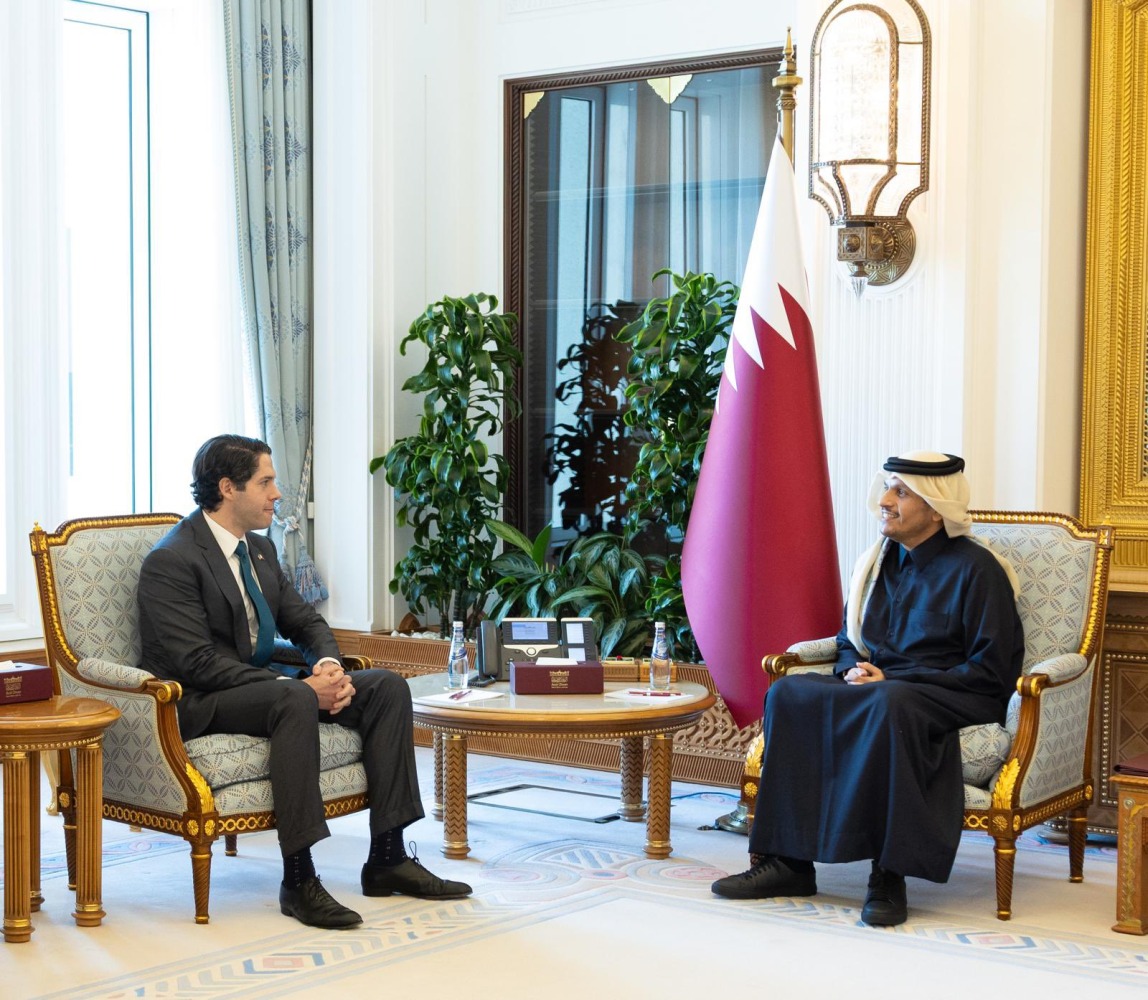

Doha, Qatar – Qatar’s Prime Minister and Minister of Foreign Affairs, Sheikh Mohammed bin Abdulrahman bin Jassim Al-Thani, met with Ben Black, CEO of the U.S. International Development Finance Corporation (DFC), on Monday. The meeting focused on strengthening Qatar-US economic cooperation and exploring potential investment opportunities. This visit signals continued efforts to bolster ties between the two nations amid evolving geopolitical and economic landscapes.
The discussion, held in Doha, reviewed existing collaboration between Qatar and the DFC, as well as topics of mutual interest, according to a statement released by the Ministry of Foreign Affairs. The meeting underscores Qatar’s commitment to diversifying its economy and attracting foreign investment, while the DFC seeks to expand its reach in the Middle East.
Strengthening Qatar-US Economic Cooperation
The visit by the DFC CEO comes as Qatar continues to pursue its National Vision 2030, a comprehensive plan for sustainable development. This vision prioritizes economic diversification away from hydrocarbons and focuses on sectors like infrastructure, tourism, and technology. The DFC, established in 2019, plays a crucial role in providing financing for development projects in emerging markets, aligning with Qatar’s goals.
The U.S. and Qatar have enjoyed a long-standing strategic partnership, particularly in the areas of defense and security. However, recent years have seen a growing emphasis on economic ties. This includes increased U.S. foreign direct investment in Qatar and Qatari investments in the United States, particularly in real estate and energy.
Potential Investment Areas
While specific details of the discussions were not disclosed, analysts suggest several areas likely featured prominently. These include infrastructure projects related to the 2030 Asian Games, which Qatar is hosting, and opportunities in renewable energy. Qatar has announced ambitious plans to increase its renewable energy capacity, and the DFC could provide financing for these initiatives.
Additionally, collaboration in the technology sector is expected to be a key focus. Qatar is actively promoting its digital economy and seeking partnerships with U.S. companies in areas like artificial intelligence and cybersecurity. The DFC has a mandate to support projects that advance digital connectivity and innovation.
Meanwhile, Qatar’s sovereign wealth fund, the Qatar Investment Authority (QIA), is a significant investor globally. The DFC could potentially facilitate joint investment projects between the QIA and U.S. companies, further strengthening economic ties. This could involve co-financing projects in third countries, promoting development and stability in other regions.
However, geopolitical factors could influence the pace and scope of future cooperation. Regional tensions and evolving U.S. foreign policy priorities may present challenges. The ongoing conflict in Gaza and its potential ramifications for regional stability are closely watched by investors and policymakers.
The DFC’s involvement in Qatar also reflects a broader U.S. strategy to counter the influence of other global powers in the region. By providing alternative financing options, the DFC aims to promote U.S. economic interests and strengthen its partnerships with key allies. This is part of a larger effort to enhance international investment and promote economic security.
The meeting also comes amid increasing global scrutiny of foreign direct investment and its impact on national security. Both Qatar and the U.S. are likely to emphasize the importance of due diligence and transparency in all investment transactions. This includes ensuring compliance with international regulations and addressing potential risks related to money laundering and terrorism financing.
Looking ahead, further discussions are expected to take place between Qatari and U.S. officials to explore specific investment opportunities. The DFC will likely conduct feasibility studies and assess potential projects in various sectors. A timeline for concrete investment decisions remains uncertain, dependent on ongoing negotiations and due diligence processes. The outcome of these discussions will be a key indicator of the future trajectory of Qatar-US relations.
Analysts will be watching for announcements regarding specific projects and the level of DFC financing committed to Qatar in the coming months. The evolving geopolitical landscape and global economic conditions will also play a significant role in shaping the future of this partnership.