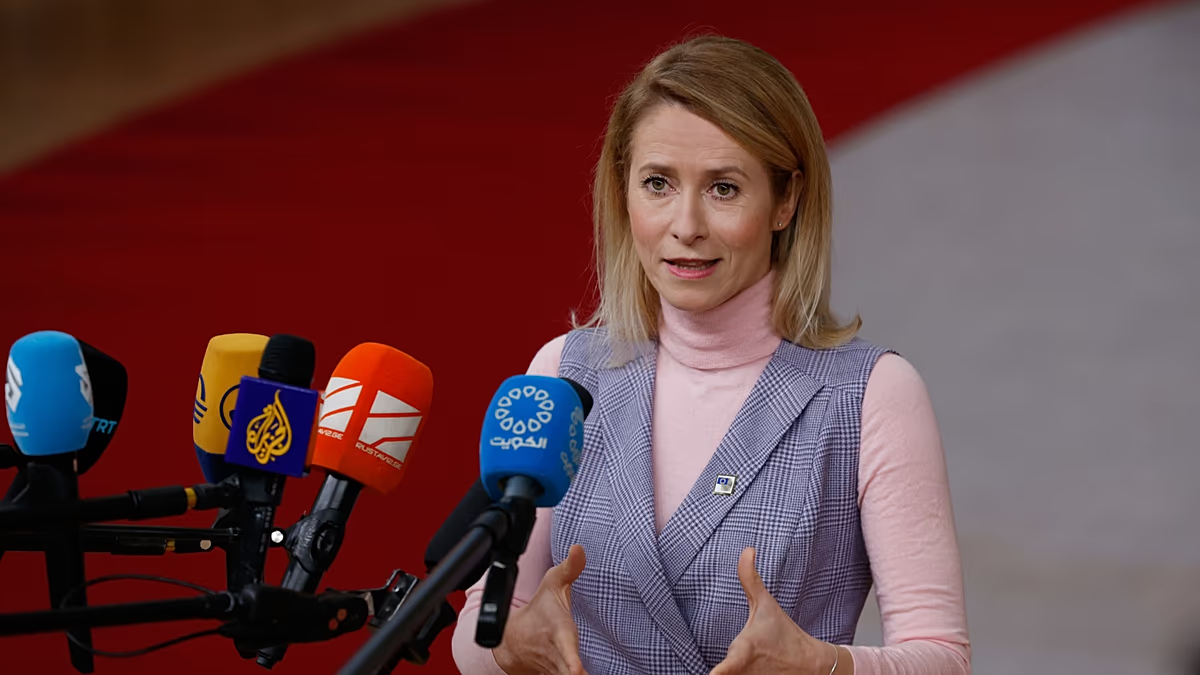

The European Union is considering new sanctions on Iran following a significant escalation of violence against protesters. EU foreign policy chief Kaja Kallas announced her intention to propose further restrictions in response to the reported deaths and mass detentions linked to recent demonstrations. The move comes as international pressure mounts on the Iranian government amid widespread condemnation of its handling of the unrest.
The protests began on December 28th following a sharp decline in the value of the Iranian Rial and have quickly spread across the country. Reports indicate a severe crackdown by Iranian security forces, resulting in a growing number of casualties and arrests. The EU’s potential action is separate from—but informed by—increasingly assertive rhetoric from the United States regarding the situation.
EU Considers Further Sanctions on Iran
Kallas stated she is prepared to put forward additional sanctions that would build upon the existing comprehensive measures already targeting Iran. These current sanctions largely consist of travel bans and asset freezes imposed in response to human rights abuses, Iran’s nuclear program, and its military support for Russia’s war in Ukraine.
According to a recent report by the US-based Human Rights Activists News Agency, over 10,600 people have been detained during the two weeks of protests. The report further details a disturbing toll, claiming 48 security personnel and 496 protesters have been killed. These figures, while not independently verified, have fueled international outcry.
Existing EU Restrictions
Currently, the EU has sanctioned over 230 individuals and entities within Iran. This includes key figures like Interior Minister Ahmad Vahidi and members of the Islamic Revolutionary Guard Corps (IRGC). The existing framework aims to pressure those directly involved in human rights violations and policies deemed destabilizing to the region. More details on existing EU sanctions are available on the Council of the European Union website.
Commission President Ursula von der Leyen has signaled the EU’s attentiveness to the developments, stating that Brussels is “monitoring” the situation closely. Parliament President Roberta Metsola echoed these sentiments, asserting Europe’s responsibility to take action. The level of agreement among EU member states on the specifics of new sanctions remains to be seen.
However, the EU’s approach currently differs markedly from that of the United States. US President Donald Trump has adopted a more confrontational stance, suggesting potential military force against Iran if its leaders continue to suppress protesters.
The possibility of US military intervention is reportedly being actively considered, with President Trump receiving briefings on potential strike options. This contrasts with the EU’s emphasis on diplomatic and economic pressure as the primary tools for addressing the crisis. Analysts observe this divergence reflects differing strategic priorities and risk tolerances.
The weakening of the Iranian Rial is a significant factor contributing to the unrest. Economic hardship and inflation have exacerbated existing grievances among the population. The political and economic situation in Iran are interlinked, and suppressing protests will not address the underlying economic issues. The economic instability also presents challenges for the region generally, impacting international trade and stability.
The EU’s ability to impose effective sanctions on Iran is a complex issue. Previous sanctions have had a demonstrable impact on the Iranian economy, but the government has also demonstrated resilience in circumventing restrictions. The effectiveness of any new measures will depend on their scope, implementation, and the extent to which they are coordinated with other international actors. The discussion surrounding potential economic sanctions underscores this.
Looking ahead, the coming weeks will be crucial in determining the EU’s next steps. A formal proposal for new sanctions is expected from Kaja Kallas, which will then need to be debated and approved by the member states. Observers should also monitor the evolving US position and any potential for escalation. Stay informed on the developing situation with reliable news sources, and consider the implications of these events for international relations and regional security.
Related: Middle East News
Keywords: sanctions on Iran, economic sanctions, Iran protests