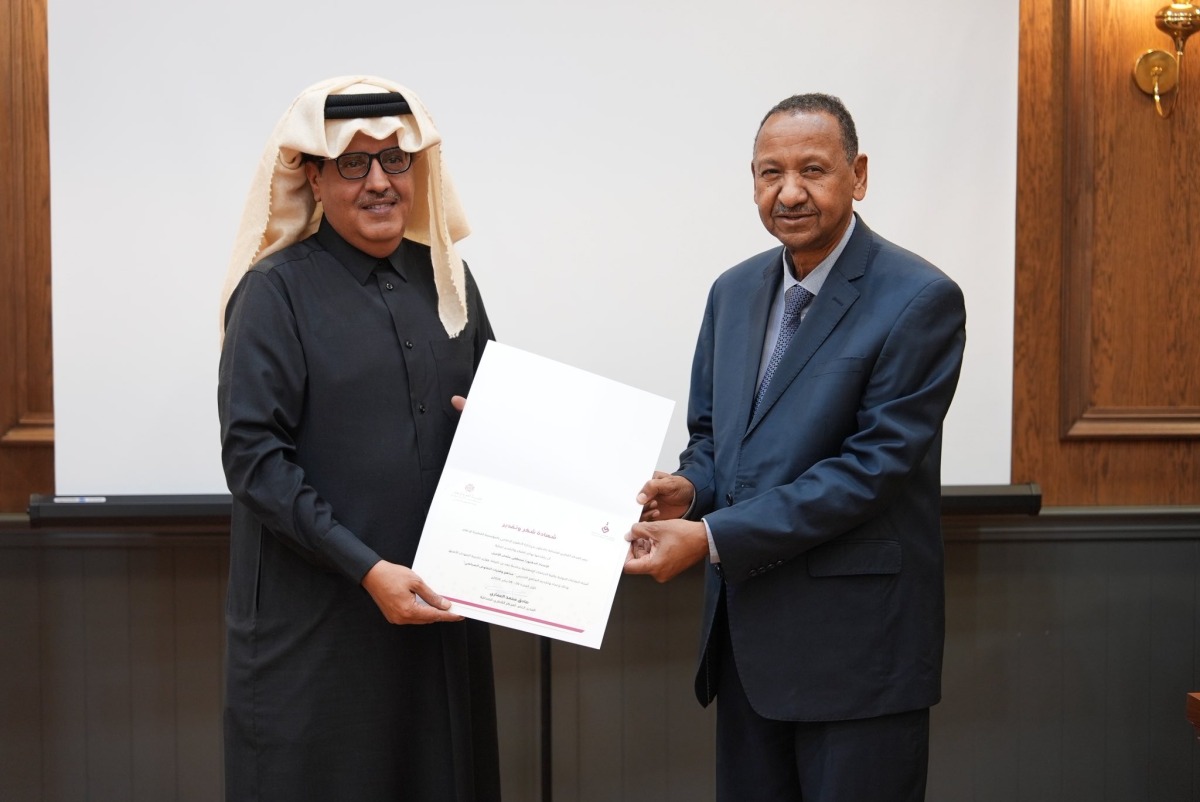

Doha, Qatar – The Qatar Press Center recently concluded a specialized training course focused on political negotiation, aiming to enhance the skills of media and administrative professionals. Held from January 6 to 8 in collaboration with the Media Development Department of Qatar Media Corporation, the course was led by Dr. Mustafa Osman Ismail, a renowned expert in international relations and conflict resolution. The program underscores Qatar’s commitment to developing a highly skilled workforce capable of navigating complex geopolitical issues.
Participants included representatives from the Ministry of Foreign Affairs and the Qatar News Agency (QNA), alongside professionals from various media organizations. This collaborative effort reflects a growing recognition of the crucial role of informed and skilled communicators in a rapidly evolving global landscape. The training sought to provide practical tools for analyzing political situations and effectively participating in negotiations.
The Importance of Political Negotiation in Modern Diplomacy
Effective political negotiation is a cornerstone of modern diplomacy and international relations. It provides a pathway for resolving disputes and reaching mutually acceptable agreements, reducing the need for more confrontational approaches. According to the United Nations, negotiation is often the most effective way to prevent conflicts from escalating and to build sustainable peace.
The course, delivered by Dr. Ismail, emphasized a systematic approach to negotiation, moving away from improvisational tactics. He stressed the necessity of thorough preparation, including careful assessment of power dynamics, identification of common interests, and a deep understanding of the relevant political, social, and economic contexts. Furthermore, effective time management, clear communication, and strategic positioning were highlighted as essential elements.
Key Concepts Covered During the Training
The training program covered foundational concepts of negotiation, differentiating it from related processes like dialogue, bargaining, and debate. It positioned negotiation as a structured process designed to maximize mutually beneficial outcomes. This focus on shared benefits is a key principle in contemporary diplomacy and conflict resolution strategies.
Additionally, the curriculum explored various negotiation techniques and strategies applicable to diverse scenarios, from bilateral talks to multilateral summits. Participants engaged in interactive discussions and case studies, providing opportunities to apply their newly acquired knowledge. The inclusion of professionals from the Ministry of Foreign Affairs and QNA ensured the practical relevance of the training materials to real-world challenges.
Maha Al-Sada of Qatar Media Corporation commented that the course was a valuable addition to her professional development. Director General of the Qatar Press Center, Sadiq Mohammed Al-Amari, expressed satisfaction with the collaborative partnership with Qatar Media Corporation, calling it an “effective model of institutional integration in media training.” He emphasized the ongoing need to provide training that keeps pace with the transformation of the media landscape.
The collaboration between the Qatar Press Center and Qatar Media Corporation demonstrates a proactive approach to bolstering Qatar’s soft power and enhancing its role in regional and international affairs. Skills in international relations and conflict resolution are increasingly vital for professionals in both the public and private sectors as Qatar continues to play a more prominent role on the world stage.
Looking ahead, the Qatar Press Center is expected to announce further specialized training programs in the coming months. The specific topics and timelines will likely be informed by ongoing geopolitical developments and emerging needs within the Qatari media and administrative sectors. Monitoring the Qatar Press Center’s announcements will be critical for professionals seeking to upgrade their skills in areas such as strategic communication and crisis management.