
Emaar Properties, the Dubai-based real estate giant, is experiencing rapid growth but its chairman, Mohamed Alabbar, describes the pressures of being a publicly listed company as intensely scrutinizing. Alabbar has publicly stated the quarterly financial reporting requirements feel like a constant, unwelcome exposure, even as he acknowledges the discipline it enforces. This approach, alongside relentless cost-cutting and a surprising aversion to meetings, is driving significant gains for the developer, with property sales hitting record levels.
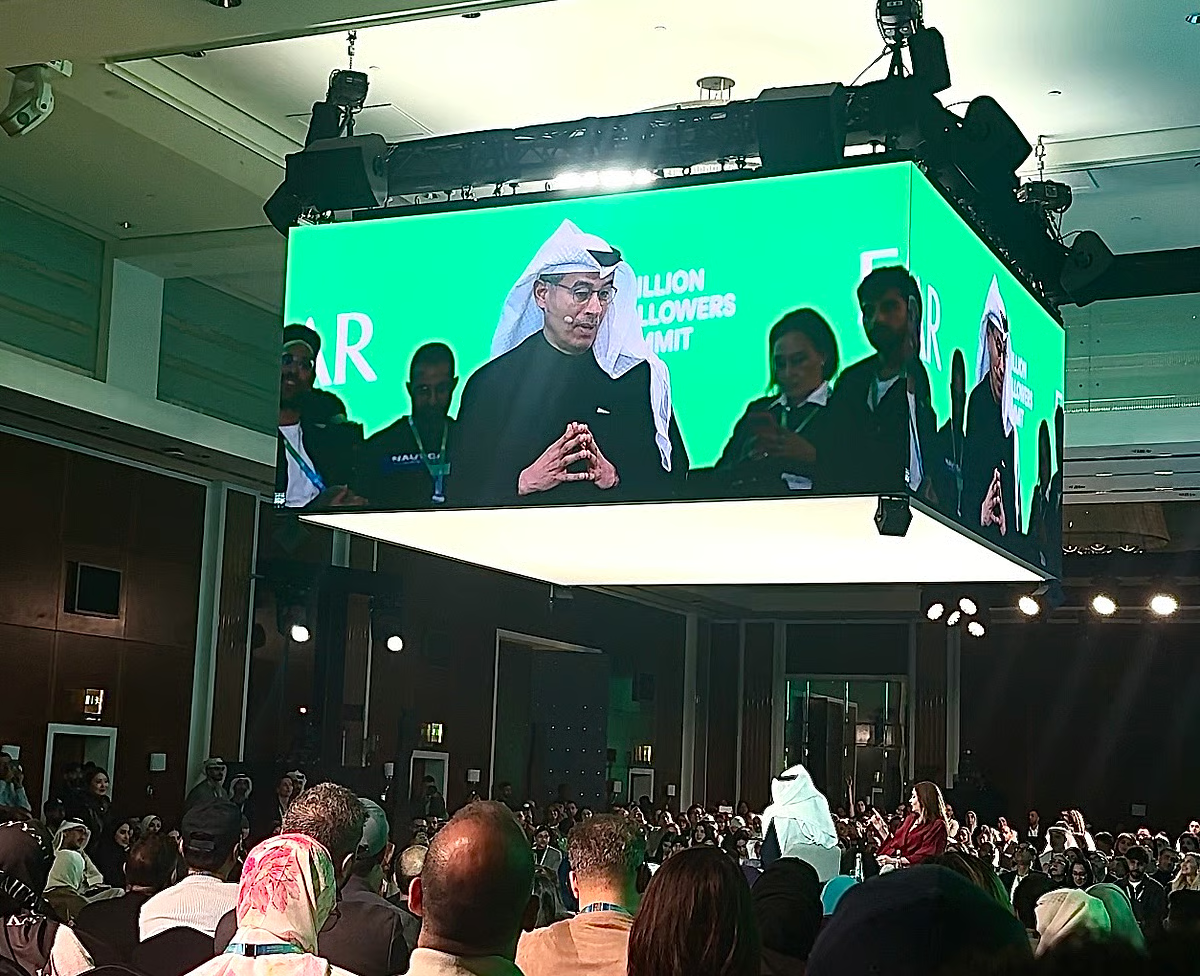
The comments came during a recent industry summit where Alabbar detailed his management philosophy and the company’s strategic outlook. Emaar’s success is particularly notable given the volatile global economic climate and the challenges faced by the real estate market in recent years. The company’s focus remains firmly on the United Arab Emirates, though expansion into other regions is underway.
The Discipline of Public Markets and Emaar’s Growth
Alabbar contends that the constant demand for performance from shareholders is ultimately beneficial, even if unpleasant. He compares the process to being constantly evaluated, highlighting the need to demonstrate tangible results. According to Alabbar, investors prioritize profit increases above all else and offer little leeway for explanations when targets are missed, whether due to global events or internal factors.
This unforgiving environment has pushed Emaar to streamline operations and cultivate resilience. The company’s financial results reflect this, with Dh61 billion ($16.6 billion) in property sales recorded in the first nine months of 2025, a 22% year-on-year increase.
Cost-Cutting Measures
Emaar’s commitment to efficiency extends to even seemingly minor areas. Alabbar revealed the company continues to implement cost-cutting measures, including reducing staff and marketing expenditures. He notably disclosed the elimination of the entire marketing team last year and even a reduction in the variety of tea available in his personal office.
These actions, while sometimes symbolic, reinforce a company-wide culture of frugality. The focus is on maximizing profitability and minimizing waste across all departments.
A Radical Approach to Meetings
Perhaps the most unconventional aspect of Alabbar’s management style is his outright rejection of traditional corporate meetings. He bluntly labeled them “garbage” and implemented a company-wide “no meetings” policy for the entire month of September.
The chairman favors direct phone calls for urgent matters, believing they are a far more efficient mode of communication. Interestingly, this shift coincided with improved financial performance and increased productivity, according to Alabbar.
UAE Remains Emaar’s Core Investment
When discussing future growth opportunities, Alabbar unequivocally stated that the UAE will remain Emaar’s primary focus. He pointed to strong economic expansion within the country, coupled with a booming e-commerce sector and robust demand for property.
Alabbar believes Emaar needs to accelerate its development pace to meet this demand, suggesting a doubling of building projects. Beyond the UAE, the company is exploring expansion possibilities in Eastern Europe, the Middle East, Indonesia, and Bangkok, diversifying its portfolio although retaining a relatively conservative approach.
Lessons Learned from the US Market
Emaar previously attempted to establish a significant presence in the United States, but ultimately withdrew following substantial losses totaling $1.2 billion. Alabbar described this experience as a “hard lesson” learned, emphasizing the complexities of the US property development landscape.
However, he indicated a willingness to re-enter the US market with a different strategy – a land-focused company. Alabbar believes demonstrating the ability to learn from past mistakes has garnered trust from shareholders. He stressed the importance of carefully assessing the US economic situation before committing to any large-scale investments, recognizing the interconnectedness of global markets.
Alabbar also used the summit to discuss broader regional trends, including the competitive dynamics between Europe and China, the potential of Egypt, and the impact of geopolitical tensions, notably in Iran, on business confidence. These factors are all influencing Emaar’s strategic decision-making.
Looking ahead, Emaar is expected to continue its aggressive expansion within the UAE while cautiously evaluating opportunities in international markets. The company’s performance will be closely watched by investors and industry analysts, particularly as it navigates the evolving global economic landscape and the ongoing pressures of maintaining profitability in a competitive investment climate. The next quarterly earnings report, due in [Date – to be filled], will provide further insight into the sustainability of Emaar’s current growth trajectory.