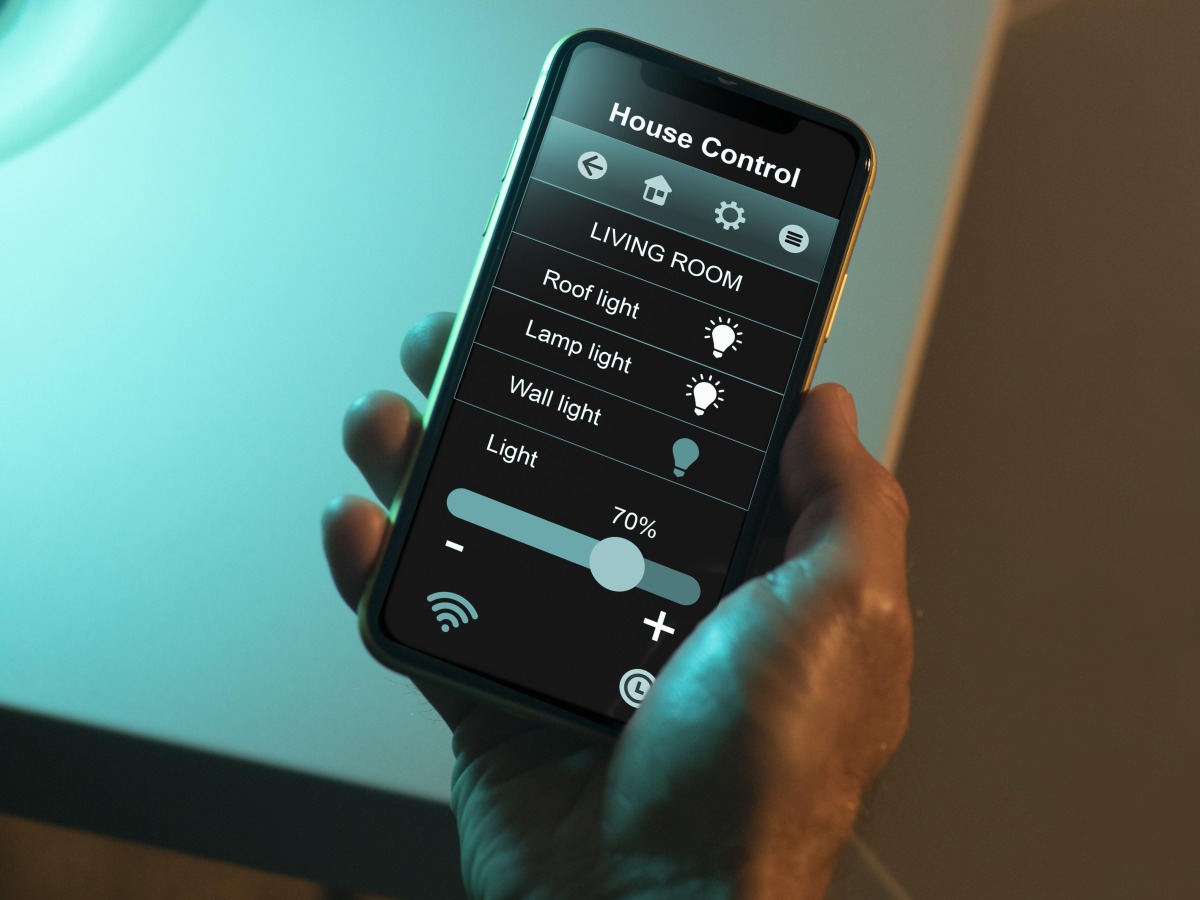

Doha, Qatar – A recent discussion on Qatar TV with Eng Saud Abdullah Al-Dulaimi, a Board Member of the Qatar Society of Engineers, brought attention to the growing trend and benefits of smart homes. Al-Dulaimi emphasized the potential of these connected residences to significantly improve energy efficiency and reduce overall household consumption, a topic of increasing importance in a region focused on sustainability. The conversation highlighted key aspects of smart home technology and its implications for residents in Qatar and beyond.
Al-Dulaimi explained that the core concept of a smart home revolves around establishing a network connection – typically through the internet – between various household appliances and systems. This allows for remote monitoring and control, a feature becoming increasingly desirable for modern homeowners concerned with convenience, security, and cost savings. The potential applications go beyond simple convenience, addressing critical needs like resource management.
Understanding the Benefits of Smart Homes
The appeal of smart homes extends to several key areas, according to Al-Dulaimi. These include enhanced security through integrated camera systems and remote door access, improved convenience via automated controls, and, crucially, substantial reductions in energy and water usage. Traditional homes operate on manual systems, lacking the dynamic responsiveness of a connected environment.
Energy Efficiency and Cost Savings
A major advantage of smart home technology lies in its ability to optimize energy consumption. Sensors can detect occupancy and automatically adjust settings like lighting and air conditioning. This avoids unnecessary energy expenditure when rooms are empty, leading to lower utility bills and a reduced carbon footprint.
Specifically, Al-Dulaimi noted instances of excessive energy use in conventional homes. Smart systems mitigate this by intelligently managing resources, responding in real-time to household needs. This proactive approach to energy management is particularly relevant in Qatar, where air conditioning accounts for a significant portion of residential energy demand.
Enhanced Home Security
Smart security systems offer residents peace of mind through remote monitoring capabilities and real-time alerts. Integrated security cameras, smart locks, and motion sensors contribute to a more comprehensive and responsive security setup compared to traditional systems. These components can work together to discourage intruders and quickly notify homeowners of any potential incidents.
However, Al-Dulaimi stressed the importance of cybersecurity when implementing a smart home system. Protecting these interconnected devices from potential hacking and data breaches is crucial for maintaining privacy and security. Robust password protection and regular software updates are essential preventative measures.
Beyond security and energy, smart homes can also incorporate automation for tasks like water heating and cleaning, offering further convenience and potential resource conservation. Even elements like automated gates can be integrated into the wider network, controlled via smartphone or voice command.
The expansion of Internet of Things (IoT) technologies is rapidly driving down the cost of smart home devices, making them more accessible to a wider range of consumers. This trend is expected to further accelerate adoption rates, according to industry analysts. The home automation market is witnessing substantial growth globally, and Qatar is poised to benefit from this progress.
While the initial investment in a smart home system can be higher than traditional setups, the long-term savings on energy and water bills can offset these costs. Moreover, these systems can add value to properties, potentially increasing resale prices. The implementation of such technology aligns with Qatar’s National Vision 2030, which prioritizes environmental sustainability and smart governance.
The future development of smart home infrastructure in Qatar will likely involve closer integration with the national grid. This would allow for dynamic energy management based on real-time demand and supply, potentially leading to even greater efficiencies and grid stability. Further advancements in artificial intelligence are also expected to enhance the capabilities of smart home systems, enabling more personalized and proactive automation. Currently, there are no official timelines for widespread implementation of grid-integrated smart home features, but ongoing pilot projects are assessing the feasibility and potential benefits, and future regulations may address data privacy and security concerns in the connected home sector.