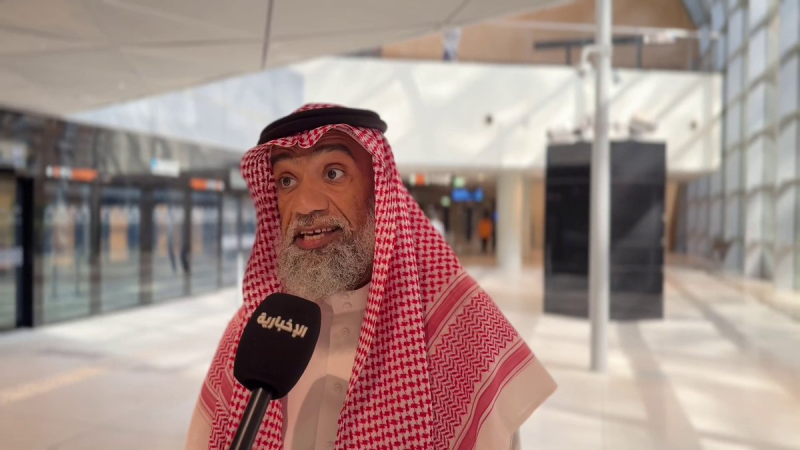

The Riyadh Public Transport Authority (RPTA) has announced the passing of Mosaed Al-Obaid, who held the distinction of being the 100 millionth passenger on the Riyadh Metro. Al-Obaid’s passing was reported on Saturday, prompting condolences from the RPTA and highlighting the rapid adoption of the new public transit system in the Saudi capital. The Riyadh Metro, a key component of the Kingdom’s broader Vision 2030 initiative, continues to expand its reach and influence on city mobility.
Al-Obaid reached his milestone ride within less than nine months of the metro’s December 2024 launch. He was initially recognized by the RPTA on August 25, 2025, and honored with a “Darb” card offering free rides for his contribution to the metro’s initial success. His story underscored the tangible benefits the metro was already providing for Riyadh residents.
Riyadh Metro Passenger Numbers & Impact
The achievement of 100 million passengers so quickly signifies substantial public uptake of the Riyadh Metro, a project decades in the making. According to the RPTA, this milestone was reached despite the system being in only its initial phases of full operation. The impressive figures demonstrate a clear demand for efficient, modern transportation in Riyadh, which has historically been heavily reliant on private vehicles.
The Blue Line, serving the Olaya Road corridor, has proven particularly popular, carrying 46.5 million passengers as of late August 2025. This suggests strong demand from commercial and residential areas along this route. The Red Line, along King Abdullah Road, followed with 17 million passengers, and the Orange Line on Madinah Road logged 12 million.
Operational Performance
Beyond ridership, the RPTA has emphasized the metro’s impressive operational reliability. They reported an operating regularity rate exceeding 99.78 percent since the start of operations. This strong performance is critical for building public trust in the system and encouraging continued use. Maintaining this level of service will be crucial as the network expands to include more lines.
The consistent performance of the Riyadh Metro is a testament to the planning and investment that went into the project. It also underscores the importance of ongoing maintenance and operational upgrades to ensure long-term viability. This high regularity rate contributes positively to the perception of public transportation within the city.
Al-Obaid’s advocacy for the Metro stemmed from its positive impact on his daily commute. He routinely used the metro to reach his workplace, avoiding the congestion often associated with Riyadh’s roads. He also shared that he encouraged his children to utilize the metro for their journeys between home and university, showcasing its convenience for families.
The launch of the Riyadh Metro aligns with the Saudi Vision 2030 plan, which aims to diversify the Kingdom’s economy and improve the quality of life for its citizens. Investments in public transportation infrastructure are central to this vision, reducing reliance on automobiles, lowering carbon emissions, and stimulating economic development. The success of the metro could encourage similar investments in other Saudi cities.
The project has not been without its challenges. Construction faced delays, and initial operating capacity wasn’t fully realized across all lines immediately upon opening. However, the rapid increase in Riyadh Metro passenger traffic suggests that these difficulties are being overcome effectively. Successfully integrating the metro with other forms of transport, such as buses, will be a vital step for optimizing the city’s transport network.
The RPTA’s commitment to addressing public feedback and continually improving the passenger experience will undoubtedly play a role in sustaining the metro’s growth. Regularity updates and increased capacity have been priorities, and further expansions of the network are planned. The focus is now shifting toward optimizing the network for increased efficiency and widespread accessibility.
Looking ahead, the RPTA is expected to continue monitoring passenger trends and adjusting service frequencies to meet demand. Future phases of the Riyadh Metro project, including the completion and integration of remaining lines, are anticipated to further boost ridership and enhance the city’s overall transportation infrastructure. The long-term impact of the project remains to be seen, as the city adapts to its new public transit options.
The precise timeline for the full network completion and future expansion plans remain subject to ongoing assessments and potential adjustments impacted by factors like economic conditions and construction progress. Monitoring continued ridership contributions from each line and analyzing passenger feedback will allow for data-driven future decision-making.