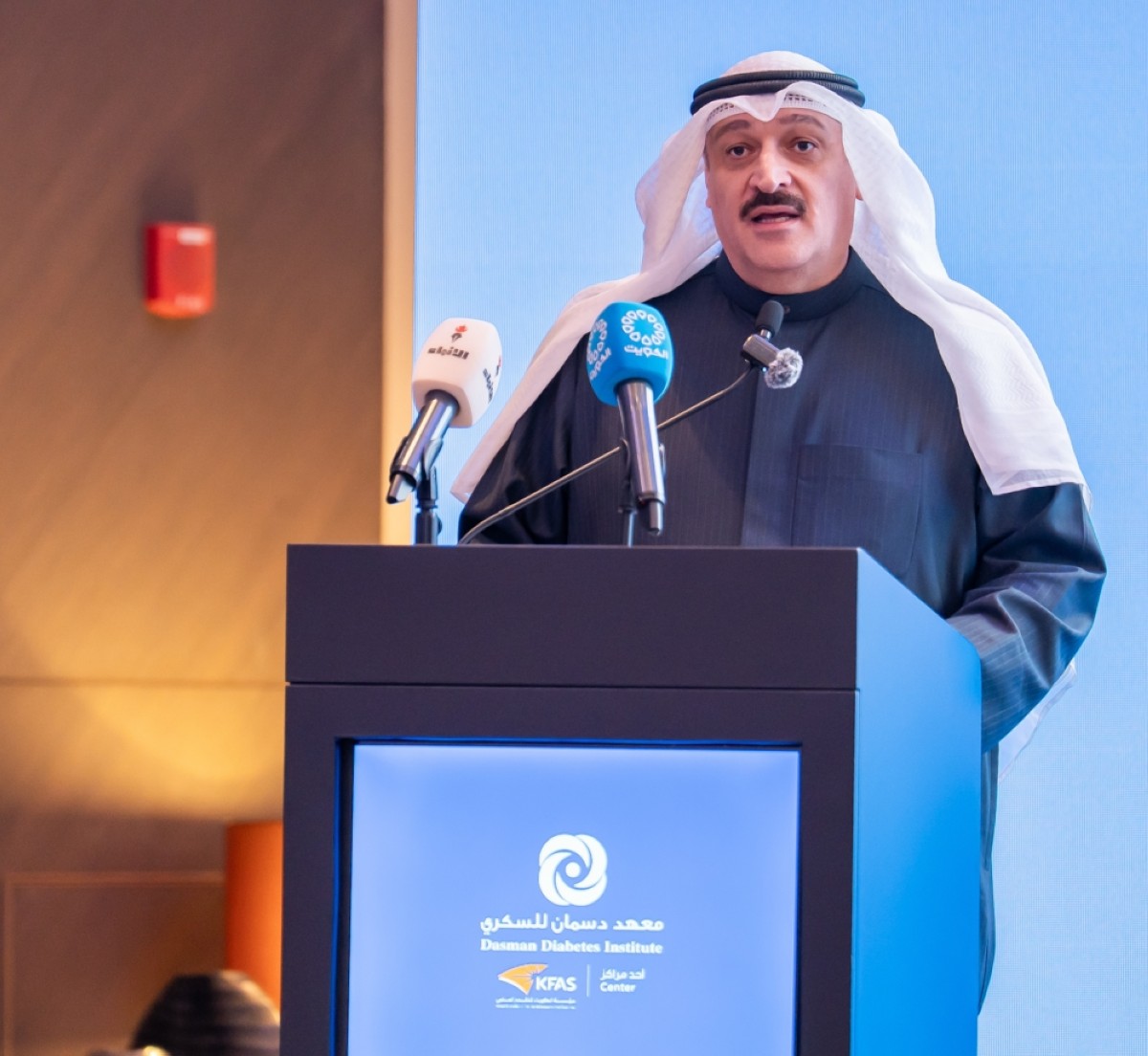

Kuwait is significantly bolstering its healthcare infrastructure and research capabilities, with a particular focus on combating the rising global challenge of diabetes. This commitment was reaffirmed by Health Minister Dr. Ahmad Al-Awadhi at the opening of the Second Dasman International Diabetes Conference (IDDS 2026) in Kuwait City, signaling a proactive approach to improving patient care and fostering innovation within the nation’s health system. The conference, organized by the esteemed Dasman Diabetes Institute under the Kuwait Foundation for the Advancement of Sciences, underscores the country’s dedication to becoming a regional and international leader in diabetes research and treatment.
Kuwait’s Growing Commitment to Diabetes Research and Healthcare
Dr. Al-Awadhi emphasized the importance of building upon the success of the inaugural conference, highlighting its growing credibility as a vital platform for understanding the complexities of diabetes, promoting preventative measures, and exploring cutting-edge therapeutic interventions. He noted that the gathering of leading doctors and scientists from around the world is instrumental in elevating the quality of healthcare services available to the Kuwaiti population.
This dedication isn’t just about treatment; it’s about a fundamental shift towards a more efficient and sustainable healthcare model. Kuwait’s vision integrates emerging research findings with technological advancements, seeking long-term solutions to improve public health. The Ministry of Health recognizes the power of knowledge sharing and collaborative efforts in achieving these goals, and the IDDS conference serves as a prime example of this strategy.
The Role of the Dasman Diabetes Institute
The Dasman Diabetes Institute (DDI) was specifically lauded by the Health Minister as a national cornerstone for research, education, and training in the field of diabetes. Its contributions are vital in enhancing scientific understanding, upskilling the healthcare workforce, and ultimately, improving the standard of care provided to patients. The institute’s work extends beyond the clinical setting, actively engaging in public health initiatives aimed at raising awareness and preventing the onset of the disease.
Dr. Faisal Al-Refaei, Acting Director General of the DDI, echoed this sentiment, stating that the first conference exceeded expectations by not only facilitating high-quality scientific discourse but also by forging lasting professional relationships and valuable partnerships. These connections are crucial for accelerating the pace of discovery and translating research into tangible benefits for patients.
Fostering Collaboration and Knowledge Exchange
The success of the first IDDS conference demonstrated the power of international collaboration. Researchers and clinicians were able to exchange practical experiences and explore new avenues for investigation. This year’s program is designed to further cultivate this environment, featuring specialized workshops and in-depth scientific sessions led by experts from across the globe.
The focus remains firmly on research with real-world applications, ensuring that advancements in understanding diabetes translate into improved medical practices and enhanced healthcare quality. This practical approach is a key differentiator for the conference and a reflection of the DDI’s commitment to impactful research.
Addressing the Challenges of Diabetes Management
This year’s conference agenda tackles the escalating challenges posed by diabetes, with a particular emphasis on advanced therapies and early intervention strategies. The program delves into the global burden of the disease, exploring innovative approaches to prevention and management.
A significant portion of the discussions is dedicated to leveraging modern technologies, including artificial intelligence and smart medicine, to revolutionize diabetes care and ensure its long-term sustainability. These technologies offer the potential for personalized treatment plans, remote monitoring, and improved patient engagement.
Focus on Diabetic Foot Care
One critical area receiving focused attention is the management of complex diabetes complications, specifically diabetic foot. This remains a major health concern, significantly impacting the quality of life for many patients. The conference will explore the latest advancements in preventative care, wound healing techniques, and surgical interventions to address this challenging complication. Effective management of diabetic foot requires a multidisciplinary approach, and the conference aims to facilitate collaboration between specialists in endocrinology, podiatry, vascular surgery, and infectious disease. Preventative healthcare is a key component in reducing the incidence of this debilitating condition.
Strengthening National Healthcare Outcomes Through Partnership
Dr. Al-Refaei highlighted the importance of strong local partnerships, particularly with the Ministry of Health, as a model for integrating research, education, and medical practice. This collaborative framework is essential for translating scientific discoveries into improved national healthcare outcomes. By working together, the DDI and the Ministry of Health can ensure that the latest advancements in diabetes care are readily accessible to all Kuwaiti citizens.
Furthermore, this integrated approach fosters a culture of continuous learning and improvement within the healthcare system, empowering professionals to deliver the highest quality of care. Investing in preventative health measures and early detection programs will also be a key topic of discussion, aiming to reduce the overall prevalence of the disease.
In conclusion, Kuwait’s commitment to advancing healthcare, particularly in the realm of diabetes, is evident through its support for the Dasman International Diabetes Conference and the vital work of the Dasman Diabetes Institute. By prioritizing research, innovation, and international collaboration, Kuwait is positioning itself as a leader in the fight against this global health crisis. The conference promises to be a catalyst for positive change, driving improvements in patient care, fostering a more sustainable healthcare system, and ultimately, enhancing the well-being of the Kuwaiti population. Attendees and those following the conference are encouraged to share insights and contribute to the ongoing dialogue surrounding diabetes prevention and treatment.