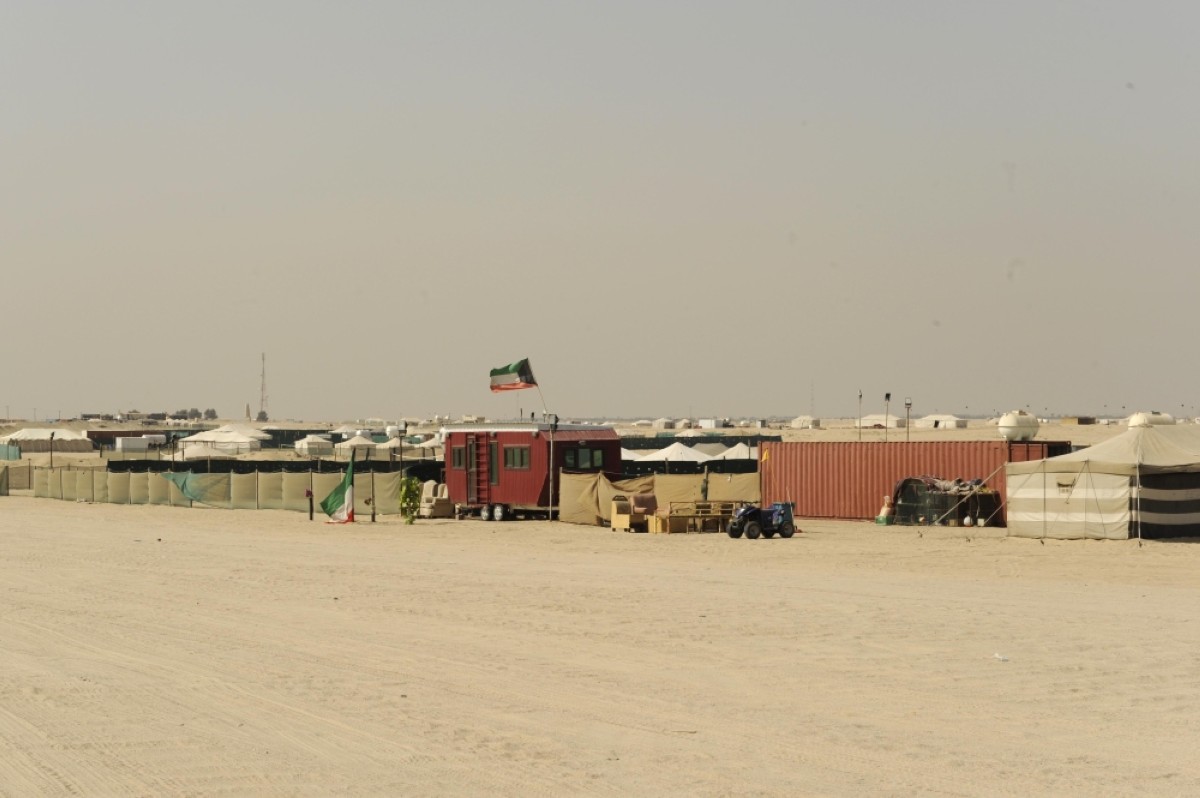

As Kuwait’s camping season gains momentum with the arrival of cooler weather, families and friends are eager to embrace the beauty of the desert. However, this idyllic setting can quickly become hazardous without proper preparation and awareness. Emergency medical technicians (EMTs) are actively urging the public to prioritize camping safety and first-aid knowledge, emphasizing that seemingly minor oversights can escalate into serious medical emergencies. Recent advice from experts highlights crucial precautions to ensure a safe and enjoyable outdoor experience.
Prioritizing Location and Travel for Camping Safety
A secure camping trip begins long before the tents are even unpacked. According to experts, the choice of location is paramount. “The location is one of the most important aspects of a safe camping experience,” stated Mahdi Al-Kazemi, an EMT. Campers should meticulously select flat ground, avoiding rocky areas that pose tripping hazards. Proximity to main roads is also vital, guaranteeing swift access for emergency services when needed.
Furthermore, caution should be exercised against setting up camp near high-voltage power lines or areas exhibiting signs of animal activity, such as burrows, or containing potentially toxic plants. These seemingly innocuous elements can present significant risks.
Weather conditions are another critical factor. Fatma Al-Bannaa emphasized the importance of checking forecasts to avoid being caught off guard by heavy rain or dust storms, both of which can contribute to traffic accidents or tent collapses. She added, “While traveling to the campsite, follow traffic rules, drive carefully, and ensure you’re well-rested to maintain focus on the road, especially considering the often-remote locations.”
Individuals with pre-existing health conditions, like asthma, diabetes, or heart disease, must be particularly diligent. Carrying an ample supply of necessary medication is non-negotiable when venturing into areas where immediate medical assistance may be delayed.
Recognizing and Responding to Common Camping Emergencies
Despite careful planning, accidents can happen. EMTs report that many incidents occur during travel to and from campsites, involving vehicles, all-terrain vehicles (ATVs), and bicycles, with children being particularly vulnerable. Beyond transportation-related injuries, common emergencies include choking, burns, and encounters with wildlife.
In any emergency situation, the initial response is crucial. Maali Al-Hammad stressed, “Always make the call; never delay asking for help.” She cautioned against attempting medical interventions without adequate knowledge, as incorrect actions can exacerbate the problem. Waiting for professional emergency services is often the safest course of action when uncertainty prevails.
The Silent Threat: Carbon Monoxide Poisoning
One of the most significant, yet often overlooked, dangers during Kuwait’s camping season is carbon monoxide poisoning. This insidious threat stems from the incomplete combustion of fuels like charcoal and wood. Al-Kazemi explained that charcoal should only be used for lighting outdoors and must burn completely before being brought inside a tent for warmth or cooking.
Carbon monoxide is odorless, tasteless, and invisible, making it a “silent killer.” Victims often become drowsy and unaware of the escalating danger until it’s too late. Experts strongly advise removing all heaters and charcoal from tents before sleeping and ensuring consistent, adequate ventilation. This simple precaution can be life-saving.
First Aid Essentials: Burns and Choking
Knowing how to administer basic first aid can significantly improve outcomes in emergency situations. When dealing with burns, Al-Bannaa debunked several common myths surrounding “home remedies” like applying toothpaste, honey, or flour. The correct procedure involves immediately placing the affected area under cool (not cold) running water for at least ten minutes. Seeking professional medical attention is essential for extensive burns or those involving children.
First aid for choking is another vital skill for campers to possess. Infants are particularly susceptible due to their tendency to explore with their mouths. Al-Hammad emphasized the importance of remaining calm during a choking incident.
Choking First Aid: Infants
For infants under 12 months, the recommended steps are:
- Call emergency services immediately, keeping the phone on speaker.
- Support the infant’s head and neck while holding them on your lap.
- Deliver five firm back blows between the shoulder blades.
- Turn the infant over, supporting their head, and administer five chest compressions in the center of the chest using two fingers.
- Repeat the sequence until the object is dislodged.
- If the infant becomes unconscious, begin CPR immediately.
It’s important to note that these maneuvers, while potentially forceful, are necessary to clear the airway. If a child is coughing effectively, encourage them to continue coughing rather than intervening. Intervention is only required when the child cannot breathe, cry, cough, or make any sound.
Choking First Aid: Adults
For adults, signs of choking are more apparent – bluish lips, panic, inability to speak, clutching at the throat, or repeated self-striking of the chest. Reassure the person to encourage cooperation. Stand behind them, wrap your arms around their waist, and make a fist, placing it just above the belly button. Grasp your fist with your other hand and deliver quick, upward and inward thrusts until the object is expelled. If the person collapses, initiate CPR until help arrives.
Staying Safe in the Desert Environment
The desert environment presents unique challenges, including potential encounters with scorpions, snakes, and stray animals. In the event of a bite or sting, the experts recommend keeping the victim calm, thoroughly washing the affected area with soap and water, and avoiding outdated practices like attempting to “suck out the venom” or tightly constricting the limb. Identifying the animal involved can greatly assist medical professionals in providing appropriate treatment.
Ultimately, outdoor first aid knowledge and proactive prevention are the cornerstones of a safe camping experience. Al-Hammad reiterated, “Prevention and knowledge are the first line of defense.” Campers should always be aware of their location relative to the nearest medical facility and should not hesitate to dial 112 in any emergency. By prioritizing safety and preparedness, everyone can enjoy the wonders of Kuwait’s desert landscape responsibly.