
JEDDAH — Saudi Arabia is actively engaging in diplomatic efforts to address escalating regional tensions, particularly concerning the situation in Gaza. Vice Minister of Foreign Affairs Waleed Elkhereiji conducted a series of bilateral meetings with counterparts from Palestine, the Maldives, Bangladesh, Qatar, Pakistan, and Gambia on Saturday, during an extraordinary session of the Organisation of Islamic Cooperation (OIC) held in Jeddah. These diplomatic meetings signal a continued push for de-escalation and collaborative solutions to pressing international issues.
The meetings, occurring on the sidelines of the OIC summit focused on Palestine, underscore Saudi Arabia’s commitment to multilateralism and its role as a key mediator in the region. Discussions centered on strengthening existing relationships and coordinating responses to various challenges, ranging from the immediate crisis in Gaza to broader concerns about regional stability and international cooperation. The intensity of these conversations highlights the urgency felt by many nations regarding current conflicts.
Saudi Arabia Intensifies Diplomatic Efforts Amidst Regional Uncertainty
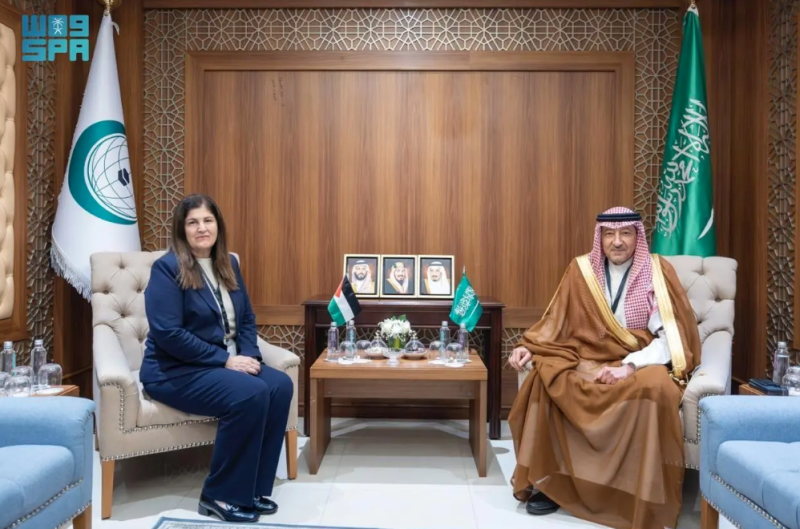
Elkhereiji’s discussions with Varsen Aghabekian Shahin, the Minister of Foreign Affairs and Expatriates of Palestine, focused significantly on the unfolding events in the Gaza Strip. According to sources familiar with the meeting, the two officials reviewed the state of bilateral ties and exchanged assessments of the humanitarian situation and potential pathways toward a ceasefire. This meeting reflects Saudi Arabia’s long-standing support for the Palestinian cause and its desire for a peaceful resolution.
Beyond the immediate concerns of Gaza, Elkhereiji’s schedule involved broadening the scope of Saudi Arabia’s engagement with other nations. Separate meetings were held with Abdulla Khaleel, Minister of Foreign Affairs of the Maldives, and Touhid Hossain, Minister of Foreign Affairs of Bangladesh, focusing on strengthening bilateral relations. These consultations aimed to identify areas for enhanced cooperation and address common interests.
Additionally, the Saudi Vice Minister engaged with Qatar, a nation that has played a prominent role in mediation efforts related to the Israeli-Palestinian conflict. Discussions with Sultan bin Saad bin Sultan Al Muraikhi, Minister of State for Foreign Affairs of Qatar, centred on strengthening bonds between the two Gulf states and coordinating approaches to critical international developments. Qatar’s ongoing diplomatic initiatives were likely a key topic of conversation.
Focus on Regional Security and Cooperation
The meetings also broadened to include Pakistan and Gambia, indicating Saudi Arabia’s interest in a diverse set of partnerships. With Ishaq Dar, Deputy Prime Minister and Minister of Foreign Affairs of Pakistan, Elkhereiji discussed enhancing international affairs cooperation and shared perspectives on regional stability. Pakistan has traditionally been a strong ally of Saudi Arabia, and the meeting likely reinforced that partnership.
Similarly, discussions with Modou Njie, Minister of Foreign Affairs of Gambia, highlighted mutual ambitions for deeper collaboration. The Ministry stated that talks revolved around increasing bilateral ties and exchanging viewpoints on crucial regional and global issues. Such engagements signify Saudi Arabia’s dedication to fostering relationships with nations across the African continent.
These diplomatic initiatives come at a particularly sensitive juncture, following a recent increase in violence in the Middle East. The OIC summit itself was convened as an emergency session to address the deteriorating situation in Gaza and to explore collective action. The organization has repeatedly called for an immediate ceasefire and unhindered humanitarian access to the region.
The Saudi government has consistently advocated for a two-state solution to the Israeli-Palestinian conflict, based on the 1967 borders with East Jerusalem as its capital. It has also emphasized the importance of upholding international law and protecting civilian populations. These principles served as the foundation for Elkhereiji’s meetings and reflect Saudi Arabia’s overarching foreign policy goals.
Analysts suggest that Saudi Arabia’s proactive diplomacy is partly motivated by concerns about potential spillover effects from the conflict in Gaza. The Kingdom is committed to maintaining regional security and stability, and it views a sustained escalation as detrimental to its own interests. These meetings provide a platform for preemptive dialogue and attempts to manage the risks associated with the ongoing crisis. Foreign policy observers are also noting the active role Saudi Arabia is taking in trying to fill any leadership gaps in peace negotiations.
It remains unclear what specific outcomes will result from these discussions. However, the sheer number of high-level meetings suggests a concerted effort to build consensus and explore potential avenues for de-escalation. The next immediate step is likely a follow-up from the OIC regarding resolutions passed during the Jeddah summit. The effectiveness of these diplomatic efforts will depend on the willingness of all parties involved to engage in good-faith negotiations and prioritize a peaceful resolution over short-term gains. Future developments will require continued monitoring of the situation in Gaza and Saudi Arabia’s role in facilitating dialogue.
The situation is fluid, and observers will be watching closely for any tangible progress toward a ceasefire or a broader political settlement. Further diplomatic engagements by Saudi Arabia, as well as the actions of other key international actors, will be crucial in shaping the future trajectory of the conflict. The lasting impact and effectiveness of these diplomatic meetings will be assessed in the coming weeks.