






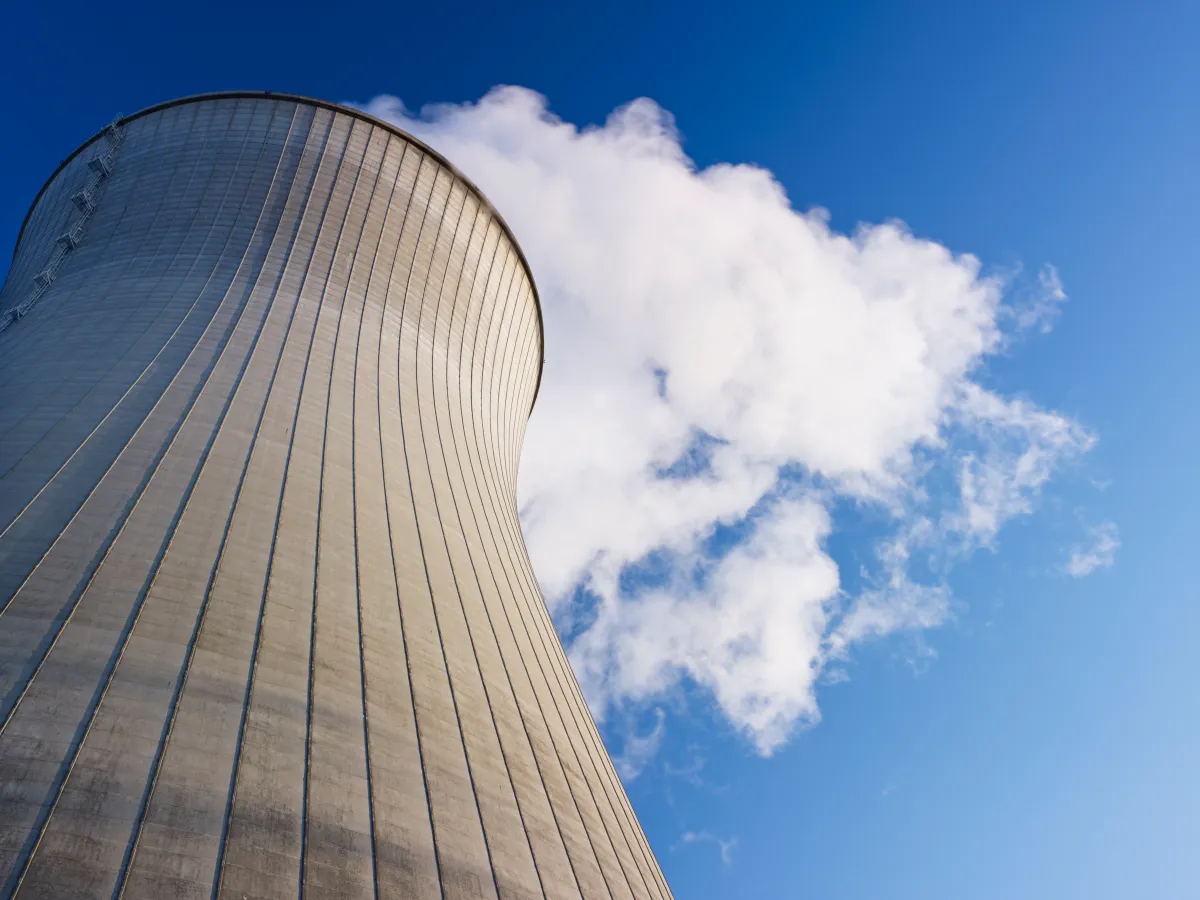

Meta Platforms has announced a series of agreements to secure significant nuclear power capacity for its growing data center operations. The deals, unveiled today, involve power purchase agreements with both established nuclear energy providers and emerging small modular reactor (SMR) developers. This move underscores the increasing demand for reliable, large-scale electricity driven by the expansion of artificial intelligence and the energy-intensive nature of modern data centers.
Meta Bets Big on Nuclear Power to Fuel AI Ambitions
The tech giant is seeking to add between 1 and 4 gigawatts of generating capacity by the early 2030s, a goal reflected in its request for proposals issued in December 2024. The announcements include an agreement with Vistra for capacity from existing nuclear plants, and separate deals with Oklo and TerraPower, two companies pioneering small modular reactor technology. This strategy highlights a willingness to invest in both immediate and future energy solutions to meet escalating demands.
Addressing the Data Center Power Crunch
Tech companies, particularly those heavily invested in AI development, are facing a growing challenge in securing sufficient and stable power sources. Traditional renewable energy options, while crucial for sustainability goals, can be intermittent. According to industry analysts, nuclear energy offers a consistent, 24/7 baseload power supply, making it an increasingly attractive option for data center operators. This demand is particularly acute in regions like the Mid-Atlantic and Midwest, served by the PJM interconnection, which is already experiencing strain due to data center proliferation.
Established Nuclear Capacity: Vistra Agreement
The most immediate impact on Meta’s energy needs will come from its 20-year agreement with Vistra. The company will purchase a total of 2.1 gigawatts from the Perry and Davis-Besse nuclear power plants in Ohio. Additionally, Vistra plans to expand capacity at those facilities and its Beaver Valley plant in Pennsylvania, adding an extra 433 MW expected online in the early 2030s.
Small Modular Reactors: A Long-Term Investment
While existing nuclear plants provide a cost-effective solution, their limited availability is driving interest in SMRs. Oklo and TerraPower are betting that smaller, factory-built reactors can be deployed more quickly and at a lower cost than traditional large-scale nuclear facilities. However, this approach remains largely unproven, and regulatory hurdles are significant.
Oklo is aiming to supply 1.2 gigawatts to Meta from its Aurora Powerhouse reactors, planned for construction in Pike County, Ohio. The startup, which went public via a special-purpose acquisition company (SPAC) in 2023, has previously secured a deal with data center operator Switch. However, it is still awaiting final approval for its reactor design from the Nuclear Regulatory Commission (NRC).
TerraPower, co-founded by Bill Gates, is taking a slightly different approach with a focus on reactors utilizing molten sodium for efficient energy transfer and integrated storage solutions. They are partnering with GE Hitachi and expect to begin supplying Meta with 690 megawatts of power (and potentially another 2.8 gigawatts alongside 1.2 gigawatts of storage) as early as 2032, utilizing a facility currently under development in Wyoming. The company’s progress through the NRC approval process has been comparatively smoother.
Cost Considerations and Future Outlook
The financial terms of these agreements were not disclosed by Meta. Electricity from existing nuclear plants is expected to be the most economical option. The costs associated with SMRs, however, remain uncertain. TerraPower currently estimates potential costs of $50 to $60 per megawatt-hour, while Oklo is targeting $80 to $130 per megawatt-hour, though these figures pertain to later-generation plants.
The success of these ventures will depend on navigating the complex regulatory landscape, managing construction costs, and demonstrating the reliability of SMR technology. The next few years will be crucial as Oklo and TerraPower progress through the NRC licensing process and begin building their facilities. The industry will be closely watching these projects to determine whether SMRs can deliver on their promise of affordable, scalable, and clean energy. The increasing adoption of clean energy sources by tech giants like Meta suggests a growing long-term investment in sustainable infrastructure.