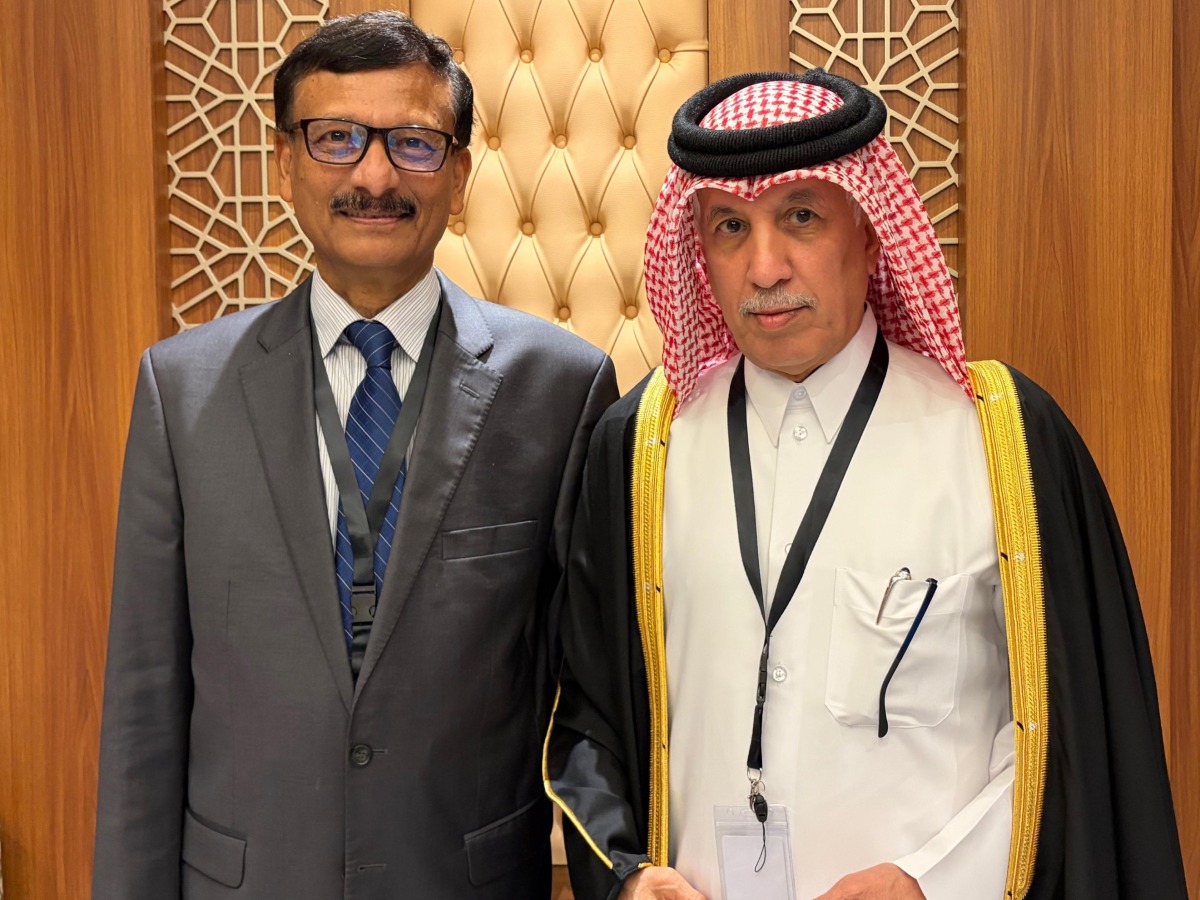

Saudi Arabian and Bangladeshi officials met in Jeddah this past weekend to discuss strengthening bilateral relations and addressing issues of mutual concern. The meeting between Qatar’s Minister of State for Foreign Affairs, Sultan bin Saad Al Muraikhi, and Bangladesh’s Minister of Foreign Affairs, Touhid Hossain, took place on the sidelines of an extraordinary session of the Organization of Islamic Cooperation (OIC) Council of Foreign Ministers. Discussions centered on enhancing cooperation in various sectors and reviewing regional developments.
The meeting was held Saturday in Jeddah, Saudi Arabia, following the convening of the emergency OIC session. While specific details of the conversations were not immediately released, the ministers reportedly exchanged views on a wide range of topics important to both nations, including economic partnerships and labor migration. The timing of the discussions is particularly relevant, given ongoing global challenges and strategic shifts in the South Asian region.
Strengthening Qatar-Bangladesh Bilateral Relations
The focus on bilateral relations underscores the growing importance both Qatar and Bangladesh place on their strategic partnership. Qatar has historically been a significant investor in Bangladesh, particularly in the energy sector. Bangladesh, in turn, provides a substantial workforce to Qatar, contributing to the Gulf nation’s infrastructure projects and economic development.
According to the Ministry of Foreign Affairs of Bangladesh, a key area of discussion likely involved streamlining labor recruitment processes and ensuring the welfare of Bangladeshi workers in Qatar. Qatar has been proactively working to improve labor regulations and conditions, and Bangladesh seeks to ensure its citizens benefit from these reforms. Furthermore, the two countries have been steadily increasing cooperation in areas such as agriculture and human capital development.
Context of the OIC Meeting
The wider context of the meeting was the extraordinary OIC session, called to address pressing issues facing the Muslim world, including the situation in Gaza. These high-level discussions often provide opportunities for parallel bilateral talks, allowing member states to address their own specific concerns and opportunities. Several foreign ministers used the occasion to engage in diplomatic discussions tackling regional stability and security.
The OIC session itself demonstrated a unified stance on critical humanitarian concerns, which aligns with both Qatar and Bangladesh’s foreign policy priorities. Both nations advocate for peaceful resolutions to conflicts and prioritize international cooperation on issues such as development assistance and counter-terrorism. This shared perspective likely formed a basis for constructive dialogue during the bilateral meeting as well.
However, relations between Gulf states and South Asian countries can be complex, often involving considerations of geopolitical alignment and economic dependency. The need for diversification in both nations’ economies appears to be a prevailing theme, with both seeking to reduce reliance on single industries or trading partners. Qatar’s national vision 2030 and Bangladesh’s commitment to becoming a developing nation by 2041 reflect these ambitions.
Bangladesh’s foreign policy has increasingly focused on economic diplomacy, seeking to attract foreign investment and expand trade ties. This is evident in their outreach to countries like Qatar, which have significant financial resources and are willing to invest in infrastructure projects. The potential for increased foreign investment from Qatar into Bangladesh was likely on the agenda for future collaboration.
Meanwhile, Qatar is actively diversifying its investment portfolio and strengthening its relationships with emerging economies. Bangladesh presents an attractive destination due to its large population, growing economy, and strategic location. The two countries also share interests in promoting regional security and combating extremism, fostering a foundation for broader cooperation.
The outcome of the meeting is expected to lead to further technical-level discussions aimed at implementing specific agreements and initiatives. No immediate announcements regarding concrete deals were made. Future collaboration is anticipated in areas such as energy, infrastructure, and manpower development, but the timeline for these projects remains uncertain and will depend on factors like funding availability and political considerations. Developments regarding these initiatives and further high-level meetings between the two countries are expected in the coming months.
It remains to be seen how these discussions will translate into tangible outcomes. The effectiveness of this diplomatic engagement will be measured by the progress made on key bilateral issues and the extent to which the partnership contributes to the economic and social development of both Qatar and Bangladesh.