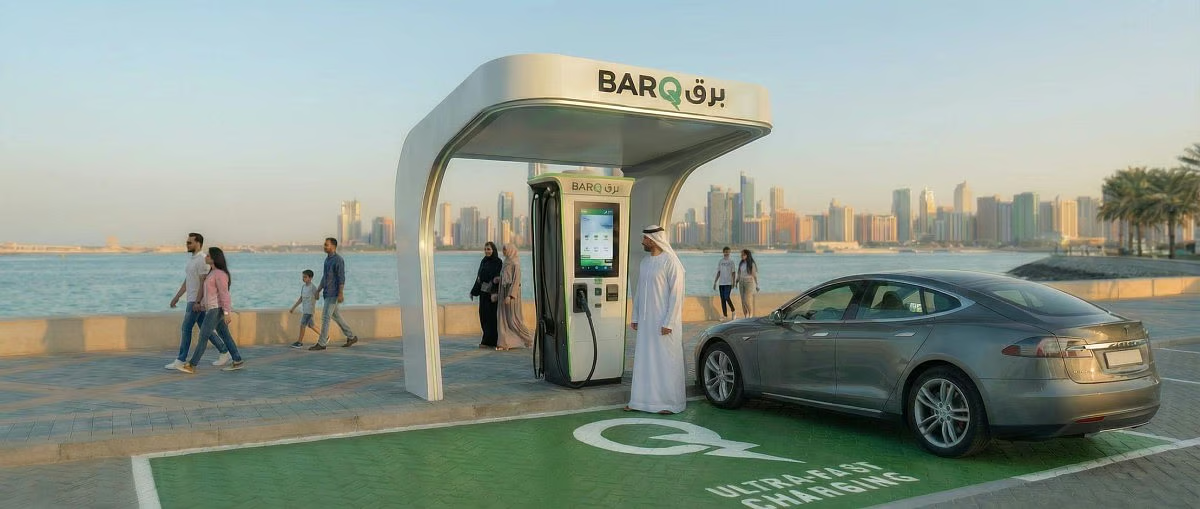

Abu Dhabi is advancing its commitment to environmental responsibility with the launch of “Barq,” a significant infrastructure project aimed at bolstering the emirate’s EV charging capabilities and overall energy management. The initiative, a collaboration between TAQA Distribution and the Department of Energy (DoE), seeks to create a smart and reliable network supporting the UAE’s goal of achieving climate neutrality by 2050. The project’s initial phases are already underway, focusing on residential and institutional deployments.
Barq will integrate advanced technologies to optimize energy distribution and create a seamless EV charging experience for both residents and organizations throughout Abu Dhabi. The Department of Energy announced the partnership, emphasizing the critical role of robust infrastructure in accelerating the adoption of electric vehicles. This collaboration represents a substantial investment in sustainable transportation solutions within the region.
The Push for Sustainable Mobility and EV Charging in Abu Dhabi
The United Arab Emirates has publicly committed to decarbonizing its economy and reducing reliance on fossil fuels. The UAE Energy Strategy 2050, for example, aims for 50% clean energy in the country’s mix. This commitment necessitates a significant shift towards electric vehicles, but that shift is directly reliant upon expanding the existing EV charging infrastructure.
Currently, the availability of public charging stations remains a key barrier to wider EV adoption in many areas, including Abu Dhabi. The Barq project directly addresses this concern by not only increasing the number of charging points but also focusing on smart energy management systems to handle the increased demand on the power grid. This proactive approach is crucial for avoiding strain on the existing infrastructure.
Addressing Grid Capacity and Energy Efficiency
Integrating a large number of electric vehicles into the power grid presents a substantial challenge. Without intelligent management, peak charging times could lead to overloads and inefficiencies. TAQA Distribution, the utility provider, will leverage its expertise to deploy technology that optimizes energy flow and minimizes disruption.
One of the core components of Barq is the implementation of smart charging solutions. These systems can remotely adjust charging rates based on grid conditions, potentially offering incentives to users who charge during off-peak hours. This strategy, according to industry analysts, helps to balance load and maximize the use of renewable energy sources.
Boosting Adoption of Electric Vehicles
While government initiatives like road toll exemptions and incentives for purchasing EVs are already in place, a convenient and reliable charging network is essential for encouraging broader public acceptance. Barq aims to provide strategically located charging stations across the emirate, addressing “range anxiety” – the fear of running out of battery power before reaching a charging point.
The Department of Energy has indicated a focus on deploying charging stations in residential areas, commercial hubs, and along major transportation corridors. This widespread distribution is designed to cater to the diverse charging needs of EV owners and make electric mobility accessible to all. Expanding sustainable transport options is central to the project’s goals.
However, successful implementation relies on various factors beyond simply installing chargers. Standardization of charging connectors, interoperability between different charging networks, and ongoing maintenance are vital considerations. Early reports suggest the project will prioritize these aspects from the outset.
Furthermore, the project anticipates the evolution of battery technology and future charging standards. Flexibility in the network’s design will allow for upgrades and adaptations as the electric vehicle market continues to develop. This forward-thinking perspective aims to future-proof the investment.
The initial phase of Barq will prioritize deployments within Abu Dhabi city, with plans to expand the network to other regions of the emirate in subsequent phases. The project also aligns with broader initiatives to promote green buildings and sustainable urban development. This holisitic approach to sustainability is gaining traction internationally.
In parallel with infrastructure development, the DoE is expected to continue its efforts to raise awareness about the benefits of electric vehicles and provide educational resources for potential buyers. This includes information on available models, charging options, and government incentives. These efforts create a more receptive environment to alternative fuel vehicles.
The collaboration between TAQA Distribution and the DoE signifies a coordinated strategy to accelerate the energy transition in Abu Dhabi. By focusing on both energy management and charging infrastructure, Barq seeks to create a closed-loop system that supports the growth of the electric vehicle market while ensuring the stability and resilience of the power grid. The project aims to make renewable energy more accessible.
The next step involves a detailed rollout plan outlining the specific locations and timelines for charging station installations. Industry observers will be closely monitoring the project’s progress, particularly its ability to adhere to proposed timelines and effectively address the challenges associated with scaling up EV charging infrastructure. The completion date for the first phase is currently slated for late 2024, but unforeseen circumstances could impact the schedule.