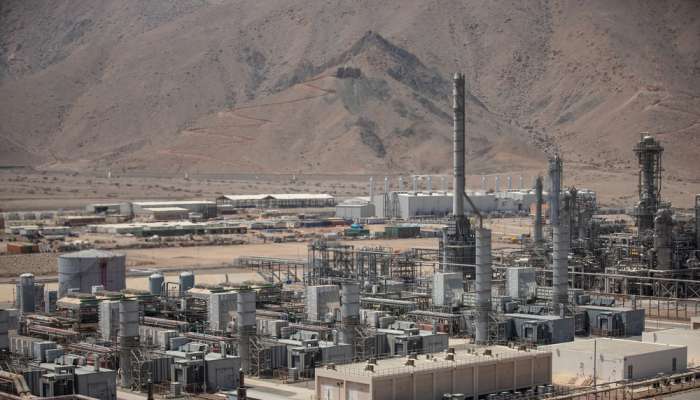

Oman’s natural gas sector demonstrates continued stability and growth, with total domestic production, including imports, reaching approximately 52.136 billion cubic metres by the end of November 2025. This represents a modest, yet significant, 0.6 percent increase compared to the 51.829 billion cubic metres recorded during the same period in 2024, according to preliminary data released by the National Centre for Statistics and Information (NCSI). This positive trend underscores Oman’s commitment to meeting its energy demands and supporting economic diversification.
Oman Natural Gas Production: A Sector in Transition
The latest statistics paint a nuanced picture of Oman’s natural gas production. While overall output has increased, the composition of that production is shifting. A key driver of the overall growth is a substantial rise in associated gas, a byproduct of oil extraction. This highlights the interconnectedness of Oman’s hydrocarbon industries.
Associated vs. Non-Associated Gas
Associated gas production experienced a notable 11 percent surge, reaching 11.737 billion cubic metres. This increase is likely linked to ongoing oil field developments and enhanced gas recovery techniques. However, non-associated gas production, which includes imported gas, saw a slight decline of 2.1 percent, totaling 40.399 billion cubic metres. This suggests a potential need for future investment in non-associated gas exploration and development to ensure long-term supply security.
Growing Natural Gas Consumption in Oman
Parallel to the production figures, gas consumption within Oman also registered a 0.6 percent increase, mirroring the rise in overall production and reaching 52.136 billion cubic metres by the end of November 2025. This indicates a healthy demand for natural gas across various sectors of the Omani economy. Understanding these consumption patterns is crucial for effective energy planning.
Sector-Specific Gas Usage Trends
The data reveals significant variations in gas consumption across different sectors. Electricity generation remains a major consumer, with gas usage increasing by 1.4 percent to 14.274 billion cubic metres. This growth reflects Oman’s increasing power demands, driven by population growth and economic expansion.
Meanwhile, industrial areas experienced a substantial 11.6 percent increase in gas consumption, indicating a thriving industrial sector. This is a positive sign for Oman’s diversification efforts, as a robust industrial base reduces reliance on oil revenues. However, gas consumption within specific industrial projects decreased by 3.6 percent, potentially due to efficiency improvements or shifts in production processes. This highlights the importance of granular data analysis.
Implications for Oman’s Energy Future & LNG Exports
These trends have important implications for Oman’s energy future. The increase in associated gas production is a welcome development, but relying heavily on it can be problematic if oil production declines. Continued investment in LNG (Liquefied Natural Gas) infrastructure and exploration of new gas reserves will be vital to maintain supply security and potentially increase export capacity.
Additionally, the growing demand from the industrial sector presents both opportunities and challenges. While it signifies economic growth, it also necessitates careful planning to ensure sufficient gas supplies are available to meet future needs. The government is actively promoting energy efficiency measures and exploring renewable energy sources to diversify the energy mix and reduce reliance on natural gas.
The slight dip in non-associated gas production, coupled with rising demand, underscores the importance of Oman’s gas import agreements and the potential for further collaboration with regional gas producers. Maintaining stable and reliable gas supplies is critical for supporting Oman’s economic development and achieving its Vision 2040 goals. The country’s strategic location also positions it as a potential hub for gas trade in the region.
Conclusion: A Stable Outlook with Strategic Considerations
The latest data on Oman’s natural gas production and consumption demonstrates a stable sector with modest growth. The increase in associated gas is a positive sign, but the slight decline in non-associated gas highlights the need for continued investment in exploration and import agreements. The rising demand from the power and industrial sectors underscores the importance of efficient resource management and diversification of the energy mix.
Looking ahead, Oman must strategically balance its reliance on associated gas with investments in non-associated resources and renewable energy to ensure long-term energy security and support its ambitious economic development plans. Further analysis of sector-specific consumption trends will be crucial for informed policy-making and sustainable growth. We encourage readers to explore the NCSI website for more detailed statistics and insights into Oman’s energy sector.