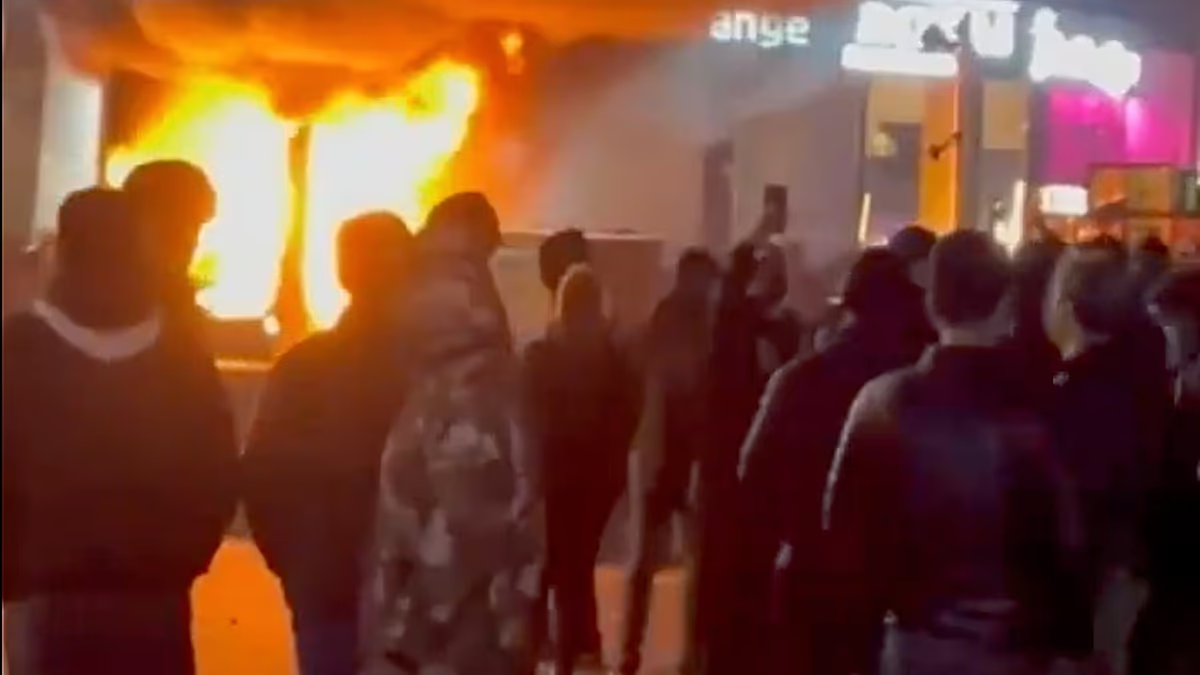

Anti-government protests in Iran have escalated, with reports of government buildings set ablaze in Karaj and Tehran on Friday night. The unrest, fueled by economic hardship and public dissatisfaction, is spreading across the country, impacting all 31 provinces. At least 65 people have been reported killed and over 2,300 detained as of Saturday, according to the U.S.-based Human Rights Activists News Agency.
The demonstrations initially erupted in late September following the death of Mahsa Amini, a 22-year-old woman who died in the custody of Iran’s morality police. However, the scope of the protests in Iran has broadened significantly in recent weeks, now centering on the country’s deteriorating economic conditions and the government’s response to them. The recent surge in violence marks a new phase in the ongoing unrest.
Understanding the Current Wave of Protests in Iran
The immediate trigger for the latest intensification appears to be the continued collapse of the Iranian Rial, the national currency. The Rial has plummeted in value against the US dollar, driving up the cost of essential goods and exacerbating existing economic pressures on the population. This economic crisis is largely attributed to international sanctions, coupled with domestic mismanagement.
Economic Factors Driving Unrest
Iran’s economy has faced significant challenges for years, stemming from sanctions imposed over its nuclear program and broader geopolitical concerns. The Council on Foreign Relations provides detailed analysis of the Iranian economy and the impact of sanctions. Rising inflation, unemployment, and limited economic opportunities have created widespread frustration among Iranians.
Additionally, reports indicate that government policies, including subsidies cuts and austerity measures, have further contributed to the economic hardship faced by ordinary citizens. This has led to a loss of trust in the government’s ability to address the country’s economic woes. The situation is particularly acute for lower-income families, who are struggling to afford basic necessities.
Geographic Spread and Government Response
The protests in Iran are notable for their geographic breadth. While initially concentrated in the Kurdish regions of western Iran, demonstrations have now spread to major cities across all 31 provinces, including Tehran, Isfahan, and Shiraz. This nationwide scope suggests deep-seated and widespread grievances.
The Iranian government has responded to the protests with a combination of repression and attempts to control the narrative. Security forces have used live ammunition, tear gas, and batons to disperse protestors, resulting in a growing number of casualties and arrests. Iranian authorities also have imposed restrictions on internet access, attempting to limit the flow of information and coordinate counter-protests.
Escalation of Violence and Human Rights Concerns
The setting ablaze of government buildings, including possible attacks in Tehran, represents a significant escalation of the violence. This suggests a growing desperation among some protestors and a willingness to take more extreme measures. However, it is difficult to ascertain the extent of organized coordination versus spontaneous acts of defiance.
Human rights organizations have expressed serious concern over the government’s crackdown on protestors. Amnesty International has documented instances of unlawful killings, arbitrary arrests, and torture. The report indicates that the government is intentionally suppressing dissent and violating the rights of its citizens.
The detainment of over 2,300 individuals raises further concerns about due process and the potential for political persecution. Many of those detained are reportedly students, activists, and journalists. The lack of transparency surrounding the arrests and detentions is contributing to the growing anxiety within Iranian society.
What’s Next for Iran?
The future of the protests in Iran remains uncertain. The government’s continued repression may temporarily quell the unrest, but it is unlikely to address the underlying economic and political grievances that are fueling the demonstrations. The deepening economic crisis coupled with the severe restriction of freedoms makes the potential for renewed protests very high.
International observers are closely monitoring the situation, and further sanctions or diplomatic efforts targeting the Iranian government could be considered. The coming weeks will be critical in determining whether the current wave of protests will lead to meaningful change or further entrench the existing regime. For ongoing updates and analysis, consider following reports from reputable news sources covering Human Rights Watch.