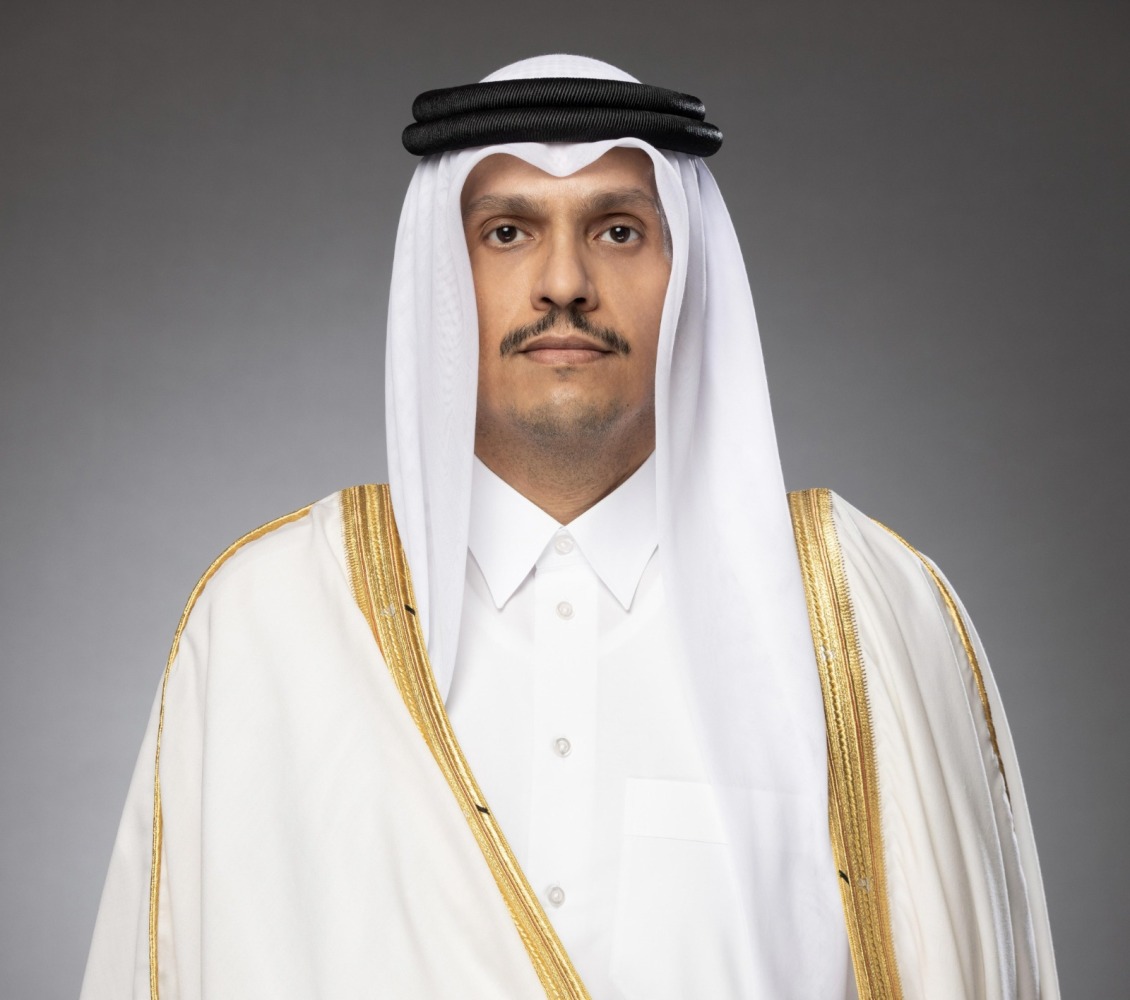

Doha, Qatar – Qatar’s Prime Minister and Minister of Foreign Affairs, Sheikh Mohammed bin Abdulrahman bin Jassim Al-Thani, engaged in a phone conversation with Angola’s Minister of External Relations, Tete Antonio, on Saturday. Discussions centered on enhancing bilateral relations between Qatar and Angola, and crucially, mediating for a peaceful resolution to the escalating tensions between the Democratic Republic of the Congo (DRC) and Rwanda. This dialogue highlights Qatar’s continued focus on international diplomacy and conflict resolution efforts in Africa.
The call, which took place on January 13, 2024, signifies a proactive approach by both nations to addressing regional instability. While specific details of the conversation weren’t disclosed, the focus on both strengthening ties with Angola and intervening in the DRC-Rwanda dispute underscores Qatar’s multifaceted foreign policy objectives. The timing of the call is particularly noteworthy given recent reports of heightened conflict in eastern DRC.
Strengthening Qatar-Angola Bilateral Relations
Qatar and Angola have been steadily developing their economic and political partnership in recent years, with a growing emphasis on investment and trade. Angola, possessing significant oil and mineral resources, represents a key potential partner for Qatar’s diversifying economy. The Qatari government, through its sovereign wealth fund, the Qatar Investment Authority, has reportedly been exploring investment opportunities within Angola’s infrastructure and energy sectors.
Additionally, diplomatic engagement has increased, extending beyond economic interests to encompass cooperation on regional security issues. According to statements released by the Qatari Ministry of Foreign Affairs, the phone call with Minister Antonio sought to identify new avenues for practical collaboration. This includes potential joint ventures and increased people-to-people exchange initiatives.
Focus on Regional Stability
Beyond the bilateral aspect, a central theme of the discussion was the ongoing conflict in the Democratic Republic of Congo, particularly in the North Kivu province. The DRC government accuses Rwanda of supporting armed groups operating within its territory, a claim Rwanda denies. This dispute has led to a humanitarian crisis and destabilized the region.
Qatar has consistently advocated for peaceful resolutions to international disputes, emphasizing dialogue and adherence to international law. Sheikh Mohammed reportedly reaffirmed this position during the call, stressing the importance of de-escalation and a return to negotiations. This stance aligns with Qatar’s broader mediation efforts in various global conflicts, including previous involvement in Sudan and Afghanistan.
The involvement of Qatar in mediating the DRC-Rwanda conflict is not entirely unexpected. Qatar has been increasing its diplomatic footprint in Africa, seeking to play a more prominent role in addressing the continent’s complex security challenges. This increased engagement is partly driven by Qatar’s desire to secure access to resources and markets, but also reflects a genuine commitment to promoting stability. The Council on Foreign Relations provides further context on the geopolitical landscape of Africa.
Meanwhile, other international actors, including the African Union and the United Nations, are also engaged in efforts to resolve the DRC-Rwanda crisis. Qatar’s involvement adds another layer to these existing initiatives, potentially offering a fresh perspective and facilitating communication between the parties. The success of these efforts hinges on the willingness of both the DRC and Rwanda to compromise and address the underlying causes of the conflict.
In contrast to some nations prioritizing military intervention, Qatar consistently champions diplomatic solutions. This approach is rooted in its Islamic principles and its long-term strategic interests in a stable global order. The emphasis on dialogue reflects a belief that sustainable peace can only be achieved through inclusive negotiations and mutual understanding. Al Jazeera reports on Qatar’s ongoing diplomatic efforts.
Looking ahead, it remains to be seen what specific role Qatar will play in mediating the DRC-Rwanda dispute. Further diplomatic engagements are anticipated, potentially including high-level meetings between Qatari officials and representatives from both countries. The effectiveness of Qatar’s mediation will depend on its ability to build trust and facilitate a constructive dialogue, a process complicated by deep-seated grievances and competing interests. The situation remains fluid, and observers will be watching for any concrete progress towards a ceasefire or a resumption of negotiations in the coming weeks.
The strengthening of bilateral relations with Angola also presents opportunities for increased economic cooperation and regional influence. Continued monitoring of Qatar’s investment strategies and diplomatic initiatives in Africa will be crucial to understanding its evolving foreign policy priorities. Zawya provides insights into Qatar’s economic partnerships.