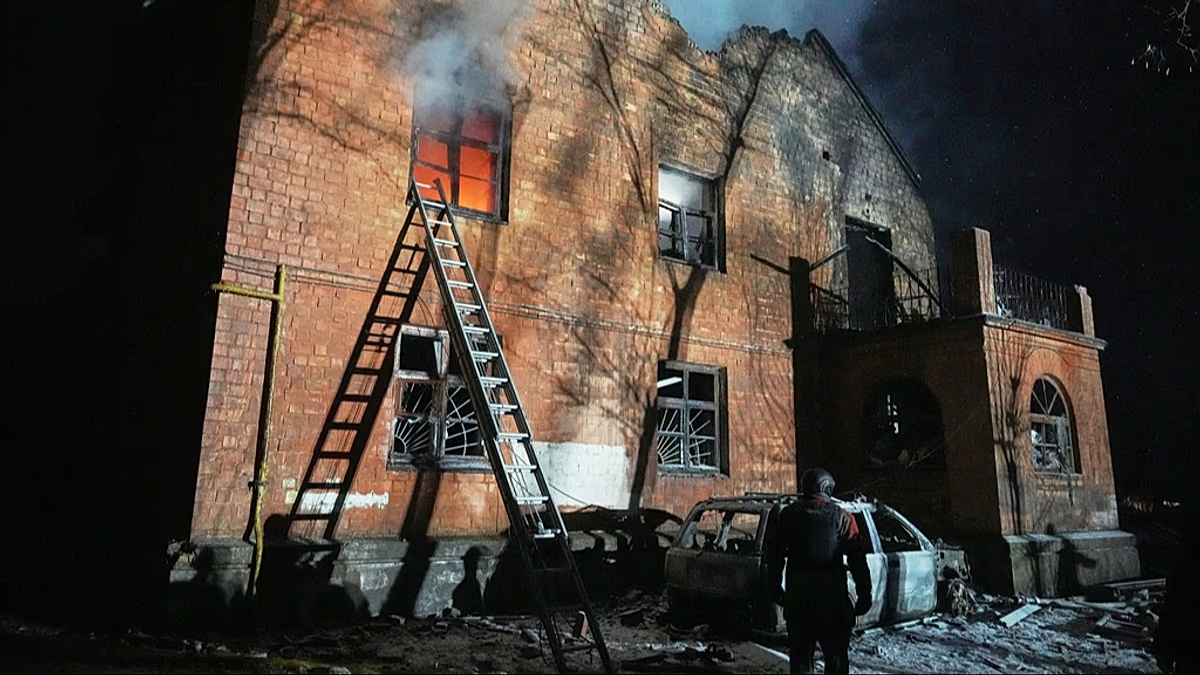

Russia launched a large-scale aerial assault on Ukraine overnight into Saturday, targeting at least 15 locations with over 100 drones and missiles, including Iskander ballistic missiles. The Ukraine attacks, which continued a pattern of intensified strikes, resulted in civilian casualties and widespread infrastructure damage, leaving hundreds of thousands without essential services. This latest barrage underscores the ongoing intensity of the conflict as it approaches its fourth year.
Ukrainian officials reported that air defenses intercepted 94 drones, but 27 still struck their targets, along with at least one ballistic missile. The attacks impacted regions across the country, from the eastern Donbas to the south and north, causing power outages, injuries, and fatalities. The situation highlights the vulnerability of Ukraine’s critical infrastructure to Russian military action.
Recent Ukraine Attacks and Civilian Impact
The eastern Donetsk region experienced one civilian death and at least two injuries overnight, according to Governor Vadym Filashkin. This region remains a primary focus of fighting, bearing the brunt of Russia’s offensive efforts. Additionally, three people were injured in Dnipropetrovsk due to strikes targeting residential buildings and energy infrastructure.
A 43-year-old man was killed earlier in Dnipropetrovsk, and the subsequent attacks caused significant power and gas outages, impacting approximately 100,000 families as temperatures are forecast to drop below freezing. DTEK, Ukraine’s largest private energy firm, is working to restore power, but the scale of the damage presents a significant challenge. The energy sector has been a repeated target of Russian strikes throughout the war.
Regional Damage and Disruptions
The southern Zaporizhzhia region also suffered, with at least three injuries reported by Governor Ivan Fedorov. The region endured over 740 attacks on populated areas on Friday alone, demonstrating the relentless nature of the bombardment. In Kharkiv, a 56-year-old woman sustained minor injuries as attacks damaged residential buildings and civilian infrastructure.
In Kherson, six people were wounded after shelling damaged residential areas, a parking lot, and a gas pipeline. These attacks further exacerbate the humanitarian crisis in the region, which has been under Russian occupation and subsequent Ukrainian counter-offensive operations. The damage to infrastructure is hindering efforts to provide essential services to residents.
Retaliatory Strikes and Russian Response
Meanwhile, Ukrainian strikes targeted the Belgorod region of western Russia, bordering Ukraine. Governor Vyacheslav Gladkov reported that approximately 600,000 residents were left without power, water, and gas. Ukrainian officials have not yet commented on these strikes, but the Belgorod region has experienced increasing attacks since the start of the invasion in February 2022.
Repair efforts are underway in Belgorod to restore essential services, but the disruption highlights the escalating nature of the conflict and the potential for reciprocal attacks. This exchange of strikes demonstrates a widening of the conflict’s geographic scope. The Associated Press provides ongoing coverage of the conflict.
The continued Russian missile attacks and drone strikes on Ukraine are placing immense strain on the country’s resources and infrastructure. The targeting of energy facilities, particularly as winter approaches, raises concerns about the humanitarian impact on the civilian population. The ongoing war in Ukraine shows no signs of abating, and further escalation remains a significant possibility.
Looking ahead, the international community will be closely watching for any shifts in strategy from either side. Continued military aid to Ukraine and diplomatic efforts to de-escalate the conflict will be crucial in the coming weeks and months. Stay informed about the latest developments in the region through reputable news sources.