








The Sultanate of Oman’s economy experienced a nuanced shift in the third quarter of 2025, with overall GDP in Oman showing a slight contraction despite robust growth in non-oil sectors. Recent data released by the National Centre for Statistics and Information (NCSI) reveals a complex economic landscape, highlighting the ongoing diversification efforts within the nation. Understanding these trends is crucial for investors, policymakers, and anyone interested in the economic health of the region.
Oman’s GDP Performance: Q3 2025 Overview
The gross domestic product of the Sultanate of Oman, measured “at market price,” reached OMR10.414 billion in the third quarter of 2025. This represents a marginal decrease of 0.4 percent compared to the OMR10.454 billion recorded during the same period in 2024. While a decline, it’s important to dissect the contributing factors, which point to a more encouraging underlying story of economic diversification. The overall economic outlook for Oman remains cautiously optimistic, driven by strategic investments and a focus on sustainable growth.
The Impact of Oil Sector Decline on Oman’s Economy
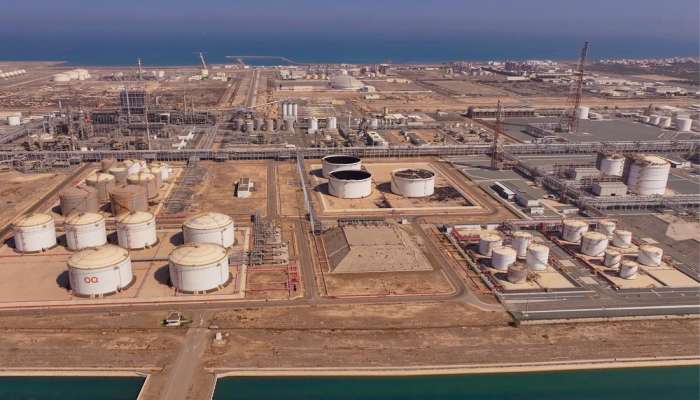
The primary driver of the slight GDP decrease was a contraction in oil activities. These activities saw a 6 percent decline, contributing OMR3.471 billion to the Q3 2025 GDP, down from OMR3.693 billion in Q3 2024. This underscores Oman’s vulnerability to fluctuations in global oil prices and production levels.
Global Oil Market Influence
The global oil market is notoriously volatile, influenced by geopolitical events, supply and demand dynamics, and the rise of alternative energy sources. Oman, as a significant oil exporter, is directly affected by these shifts. This recent decline in oil revenue highlights the urgency of the nation’s diversification strategy.
However, it’s crucial to note that this decline was partially offset by positive performance in other sectors, demonstrating the growing resilience of the Omani economy. The government’s long-term vision, Oman Vision 2040, explicitly prioritizes reducing reliance on hydrocarbons.
Non-Oil Sector Growth Fuels Economic Diversification
Despite the downturn in oil, Oman’s non-oil activities demonstrated considerable strength, growing by 2.5 percent in Q3 2025. This resulted in a contribution of OMR7.291 billion to the GDP, exceeding the OMR7.116 billion recorded in the same quarter of the previous year. This growth is a testament to the success of Oman’s economic diversification initiatives.
Several key non-oil sectors contributed to this positive trend. Construction activities experienced a 2.2 percent increase, reaching OMR817.400. This suggests continued investment in infrastructure projects, a vital component of Oman’s development plans. Wholesale and retail trade also saw growth, increasing by 2.1 percent and contributing OMR880.100.
Furthermore, public administration and defence activities recorded a robust 2.8 percent growth, reaching OMR966.800. This indicates continued government spending and investment in essential services. The growth in these sectors is a positive sign for the long-term sustainability of Oman’s economic growth.
Implications for Investment and Future Outlook
The data from Q3 2025 paints a picture of an economy in transition. While the decline in oil revenue is a concern, the strong performance of the non-oil sector offers a glimmer of hope. This suggests that Oman is making progress in its efforts to diversify its economy and reduce its dependence on hydrocarbons.
For investors, this presents both challenges and opportunities. The volatility of the oil sector requires careful consideration, but the growth potential in sectors like construction, tourism, and logistics is significant. Understanding the economic indicators of Oman is paramount for making informed investment decisions.
The government’s commitment to Oman Vision 2040 and its ongoing investment in infrastructure and human capital are expected to further drive non-oil sector growth in the coming years. This includes initiatives to promote tourism, develop a knowledge-based economy, and attract foreign investment. The focus on sustainable development and renewable energy sources also presents new avenues for economic expansion.
Conclusion: A Balanced Perspective on Oman’s Economic Trajectory
The slight decrease in GDP in Oman during the third quarter of 2025, primarily driven by a decline in oil activities, should be viewed within the context of broader economic trends. The robust growth of the non-oil sector demonstrates the effectiveness of Oman’s diversification strategy and its increasing resilience to external shocks.
As Oman continues to implement its Vision 2040 plan, we can expect to see further growth in key non-oil sectors, leading to a more sustainable and diversified economy. Staying informed about these developments, and analyzing key economic data, will be crucial for anyone seeking to understand the future of Oman’s economic landscape. We encourage readers to explore the NCSI website for more detailed statistics and analysis.

