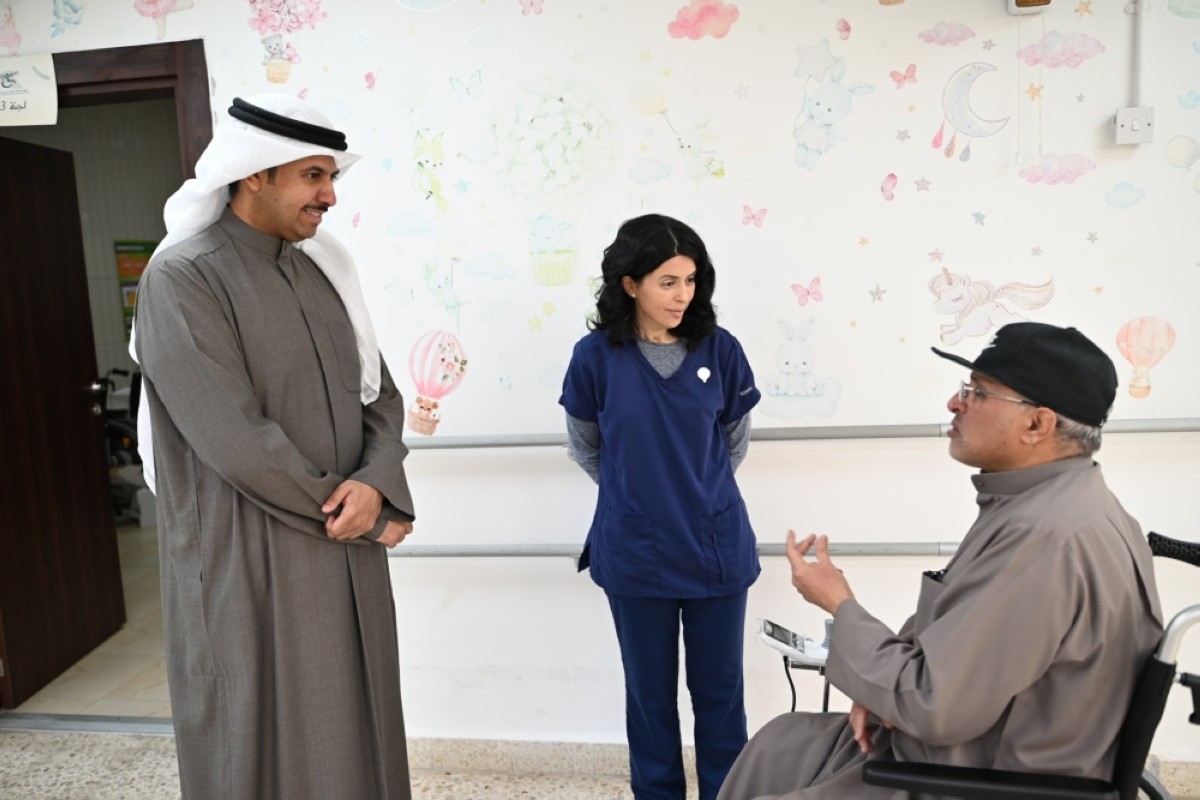

Kuwait is reaffirming its commitment to inclusivity and improved quality of life for its citizens with disabilities. Recent initiatives by the Public Authority for Disability Affairs (DAPA) demonstrate a renewed focus on providing essential wheelchair assistance and other assistive devices, ensuring individuals can navigate daily life with greater independence and safety. This commitment follows a period of suspension and signals a significant step forward in supporting the rights and needs of the disabled community in Kuwait.
Resumption of Wheelchair Distribution & Enhanced Support Services
After a several-year pause, Kuwait officially resumed the distribution of wheelchairs in 2025, alongside a broader effort to provide a range of assistive devices like hearing aids. This resumption isn’t simply about handing out equipment; it’s a carefully orchestrated process designed to maximize benefit and ensure safety for each recipient. Acting Deputy Director General for Medical, Psychological and Social Services Dr. Khalifa Al-Haila’a emphasized that the distribution is happening on a daily basis, reflecting the urgency and importance placed on this initiative.
This renewed focus on wheelchair assistance is part of a larger strategy to empower people with disabilities and facilitate their full integration into society. The government recognizes that access to appropriate assistive technology is fundamental to achieving this goal.
A Personalized Approach to Assistive Device Provision
DAPA’s approach to providing assistive devices, particularly wheelchairs, is remarkably thorough. It goes far beyond a simple assessment and order. Each beneficiary undergoes a comprehensive evaluation by specialized committees comprised of physical therapy specialists. These committees meticulously assess individual medical, functional, and rehabilitation needs.
This detailed assessment includes precise measurements to ensure the wheelchair is perfectly fitted to the individual’s body and condition. The type of wheelchair – manual or electric – is determined based on these specific needs. Furthermore, beneficiaries receive detailed instruction on proper use, maintenance, and safe movement techniques.
Crucially, staff don’t allow beneficiaries to leave until they’ve demonstrated a safe understanding of how to operate their new wheelchair, especially electric models. This commitment to safety is paramount, ensuring the device truly enhances mobility rather than posing a risk. All devices adhere to stringent international specifications, guaranteeing quality and reliability.
Eligibility Criteria for Wheelchair Assistance in Kuwait
To qualify for wheelchair assistance through DAPA, specific criteria must be met. Applicants must be either Kuwaiti citizens or individuals treated as Kuwaiti citizens under a decision from the Ministry of Interior. A valid disability certificate issued by the Public Authority for Disability Affairs is also required.
This certificate must confirm the presence of a moderate or severe mobility disability, or an equivalent condition necessitating wheelchair use. The frequency of wheelchair replacement is also defined:
- Wheelchairs are provided once every three years for individuals under the age of 16.
- For those over 16, a replacement is available every two years.
There are specific considerations regarding electric wheelchairs. These are generally not provided to individuals with intellectual disabilities or children under 15, unless a specialized technical committee deems it appropriate based on a thorough assessment. This careful consideration ensures responsible and effective allocation of resources.
Beyond Wheelchairs: A Holistic Approach to Disability Support
While the resumption of wheelchair assistance is a significant development, it’s important to understand that DAPA’s work extends far beyond this single service. The authority is dedicated to streamlining procedures for accessing all disability-related services, making it easier for beneficiaries to receive the support they need.
This includes providing a range of other assistive devices, such as hearing aids, and offering comprehensive medical, psychological, and social services. DAPA’s commitment is to a holistic approach, addressing the diverse needs of individuals with disabilities and promoting their overall well-being. The focus on rehabilitation services is also key, recognizing that evaluation and tailored programs are essential for maximizing independence and quality of life.
Furthermore, DAPA actively works to raise awareness and combat stigma surrounding disability, fostering a more inclusive and accepting society. This includes advocating for accessibility in public spaces and promoting equal opportunities for all citizens.
In conclusion, Kuwait’s renewed commitment to providing wheelchair assistance and comprehensive support services represents a positive step towards a more inclusive and equitable society. The meticulous process, personalized approach, and clear eligibility criteria demonstrate a dedication to ensuring that assistive devices genuinely improve the lives of those who need them most. By continuing to prioritize the needs of people with disabilities, Kuwait is building a future where everyone has the opportunity to thrive. To learn more about DAPA’s services and eligibility requirements, visit their official website or contact their offices directly.