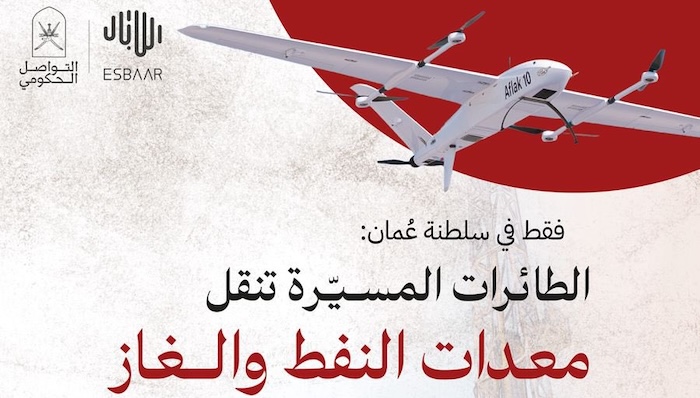

Oman has taken a significant leap forward in technological innovation, becoming the first country in the Middle East to launch a fully operational drone delivery service specifically tailored for the oil and gas sector. This groundbreaking initiative, spearheaded by Omani technology firm ESBAAR, in partnership with Sinan Advanced Industries and Masar Petroleum, promises to revolutionize logistics and efficiency within this critical industry. The successful deployment marks a pivotal moment in Oman’s digital transformation journey and reinforces its commitment to embracing cutting-edge technologies.
Pioneering Drone Delivery in Oman’s Energy Sector
The launch of this service isn’t just a technological achievement; it’s a strategic move to enhance operational capabilities and reduce reliance on traditional methods. The inaugural flight of “Alfak 10,” the drone responsible for this historic delivery, transported vital emergency equipment and spare parts from Wilayat Haima to concession area No. 7. This 137-kilometer journey was completed in a remarkable 1 hour and 23 minutes.
This speed is where the real impact lies. Traditionally, this same delivery would have required over four hours, necessitating a nighttime land transport operation. The implications for response times in critical situations are substantial, potentially saving valuable time and resources. This demonstrates the power of drone delivery to overcome logistical challenges in remote and challenging terrains.
The Alfak 10: A Symbol of Omani Innovation
The Alfak 10 isn’t simply a commercially available drone; it represents a commitment to local manufacturing and technological development. Developed through collaboration between Omani companies, the drone embodies the nation’s ambition to become a regional hub for advanced technologies. This focus on in-country value creation is a key component of Oman Vision 2040.
Furthermore, the project isn’t just about the hardware. It’s also about building a skilled Omani workforce capable of operating and maintaining these advanced systems. The initiative includes comprehensive training programs designed to equip Omani talent with the expertise needed to thrive in the evolving landscape of aerial logistics.
Enhancing Efficiency and Safety with Unmanned Systems
The benefits of integrating drone technology into the oil and gas supply chain extend beyond just speed. Traditional land transport in remote areas can be hazardous, particularly during adverse weather conditions or at night. Drones offer a safer and more reliable alternative, reducing the risk to personnel and minimizing potential disruptions.
Additionally, the use of drones can significantly reduce operational costs. By eliminating the need for dedicated vehicles and personnel for certain deliveries, companies can streamline their logistics operations and improve their bottom line. This efficiency gain is particularly important in a competitive global market.
Aligning with Oman Vision 2040
This project is deeply rooted in the goals of Oman Vision 2040, a national strategy aimed at diversifying the economy, fostering innovation, and improving the quality of life for Omani citizens. The adoption of aerial logistics directly supports these objectives by promoting technological advancement, creating new job opportunities, and enhancing the competitiveness of the energy sector.
The vision emphasizes the importance of embracing digital transformation and leveraging technology to address key challenges. This drone delivery service is a tangible example of Oman’s commitment to realizing this vision.
A New Era for Regional Logistics
The successful launch of this service isn’t just a win for Oman; it’s a potential game-changer for the entire Middle East region. It demonstrates the feasibility and benefits of integrating unmanned systems into critical infrastructure. Other countries in the region are likely to take notice and explore similar solutions to improve their own logistics capabilities.
Meanwhile, ESBAAR, Sinan Advanced Industries, and Masar Petroleum are already exploring opportunities to expand the scope of the service. Future plans include increasing the range and payload capacity of the drones, as well as integrating them with other digital systems to create a fully automated logistics network. This expansion will likely include the delivery of a wider range of materials and equipment, further optimizing operations within the oil and gas sector.
In conclusion, Oman’s pioneering drone delivery service represents a significant milestone in the region’s technological advancement. By embracing innovation, investing in local talent, and aligning with national strategic goals, Oman is positioning itself as a leader in the adoption of smart solutions for critical industries. This initiative not only enhances efficiency and safety within the oil and gas sector but also paves the way for a new era of aerial logistics across the Middle East. To learn more about Oman’s Vision 2040 and its commitment to technological innovation, visit the official Oman Vision 2040 website.