
Qatar is bolstering its commitment to sustainability, with Qatar Foundation (QF) strengthening collaborations with key national stakeholders to integrate environmentally conscious practices into the nation’s development plans. Leaders from the Ministry of Environment and Climate Change (MECC), the Ministry of Social Development and Family (MSDF), and the Qatar Fund for Development (QFFD) have reaffirmed their dedication to working alongside QF on a range of initiatives. This increased focus aligns with the goals outlined in Qatar National Vision 2030.
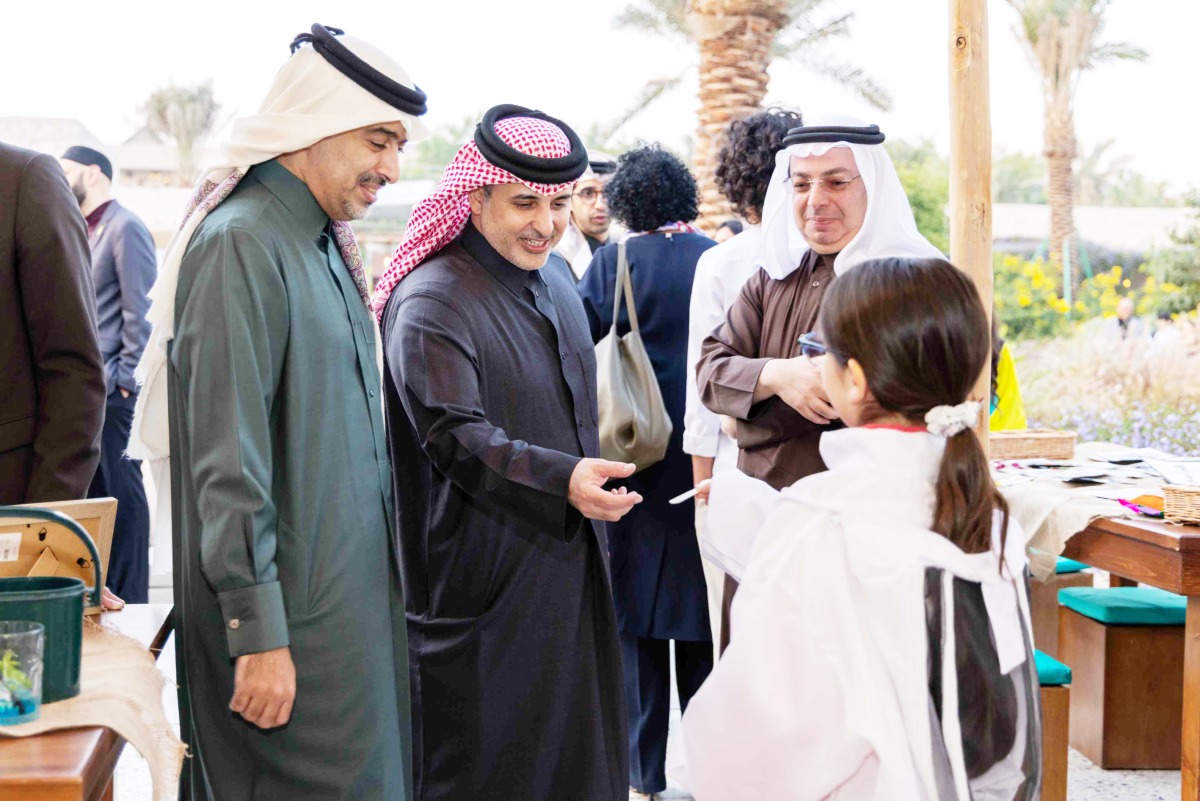
The commitment was highlighted during a reception at Al Khater House in Education City, marking the first anniversary of the partnership between QF’s Earthna Center for a Sustainable Future and The King’s Foundation. The event, attended by Vice Chairperson of QF, H E Sheikha Hind bint Hamad Al Thani, underscored the importance of a unified approach to environmental challenges and long-term planning.
Advancing Qatar’s Sustainability Agenda
Minister of Environment and Climate Change, H E Dr. Abdulla bin Abdulaziz bin Turki Al Subaie, emphasized the ministry’s long-standing support for QF and its Earthna Center. According to the minister, the MECC views both organizations as crucial partners in advancing sustainability policy and knowledge within Qatar. The ministry and QF have previously collaborated on initiatives like the Earthna Summit and Qatar Sustainability Week.
Al Subaie also noted joint representation of Qatar at significant international forums, including the annual Conference of the Parties (COPs) on climate change. He specifically highlighted the collaborative mangrove restoration efforts, recognizing mangroves as both a vital component of Qatar’s biodiversity and a significant element of its cultural heritage. This initiative demonstrates a commitment to integrating traditional ecological knowledge with modern sustainability practices.
Focus on Urban Resilience and Social Development
Minister of Social Development and Family, H E Buthaina bint Ali Al Jabr Al Nuaimi, underscored Qatar’s priority of building resilient and sustainable urban environments. She stated that Qatar recognizes the importance of long-term planning, innovation, and collaboration to address challenges related to population growth, infrastructure, climate change, and environmental sustainability.
The MSDF is partnering with QF on initiatives such as Earthna’s work, Herfah’s revival of traditional crafts, and the preservation of Al Khater House. Additionally, collaboration with QF’s Doha International Family Institute and Pre-University Education division reinforces Qatar’s commitment to inclusive, resilient, and future-ready cities. These efforts are also showcased on global platforms, demonstrating Qatar’s dedication to international cooperation on environmental issues.
Fahad Al-Sulaiti, Director-General of QFFD, reiterated the fund’s commitment to advancing sustainability programs in partnership with Earthna and QF. He described the four pilot projects resulting from the partnership with The King’s Foundation as a promising new model for sustainable investment, emphasizing their local relevance and potential impact. The QFFD is actively exploring further opportunities to support these initiatives.
QF’s broader sustainability agenda integrates stewardship principles across education, research, and cultural preservation. This holistic approach aims to foster a culture of environmental responsibility throughout Qatar. The focus extends beyond environmental concerns to encompass social and economic dimensions of sustainable development, including Education City’s role in fostering innovation.
Looking ahead, the collaborative efforts are expected to yield further joint projects and policy recommendations in the coming months. The success of the pilot projects with The King’s Foundation will be closely monitored to inform future investment strategies. Continued engagement at international forums will be crucial for Qatar to maintain its leadership role in regional and global sustainability initiatives, and the long-term impact of these partnerships remains to be seen.
Related keywords used: climate adaptation, biodiversity, Qatar National Vision 2030.