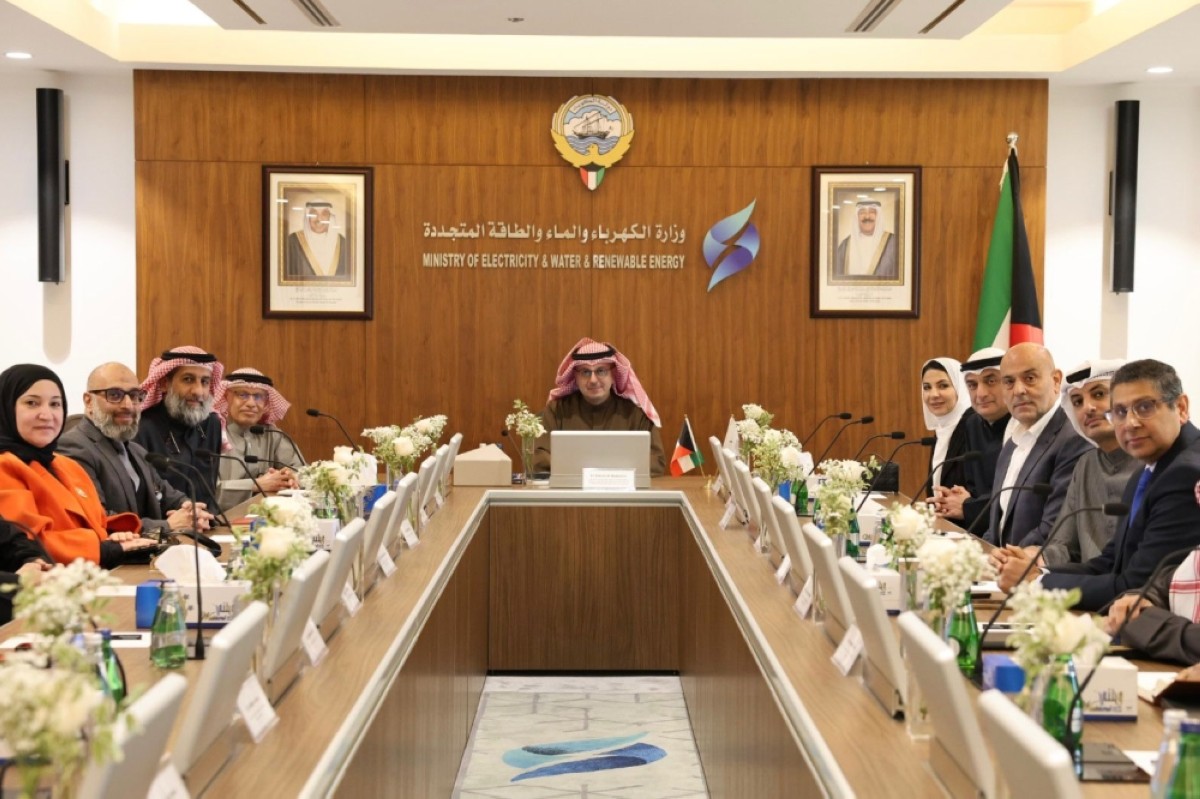

Kuwait is embarking on a significant infrastructure project to bolster its energy and water security with the expansion of the Al-Zour North power and water plant. This ambitious undertaking, representing the nation’s largest power plant project to date, aims to address growing electricity demands and water scarcity, particularly during peak summer months. A recent strategic meeting between government officials and the Gulf Energy and Water Alliance Company confirmed progress and reaffirmed commitment to delivering this vital project on time and to the highest standards.
Kuwait’s Al-Zour North Expansion: A Deep Dive
The expansion of the Al-Zour North plant, encompassing phases two and three, will dramatically increase Kuwait’s power generation and desalination capacity. Specifically, the project will add 2,700 megawatts of electricity and 120 million imperial gallons of desalinated water daily. This substantial increase is crucial for a country facing increasing strain on its resources due to rising temperatures, population growth, and deferred maintenance on existing infrastructure. Planned power cuts have become a reality since 2024, highlighting the urgent need for increased capacity.
The Build-Own-Operate (BOT) Model
This project marks a significant shift in Kuwait’s approach to infrastructure development, being the first power plant executed under a Build-Own-Operate (BOT) model. This innovative financing and operational structure allows the Gulf Energy and Water Alliance Company, a partnership between private investors and the Kuwait Authority for Partnership Projects (KAPP), to finance, build, own, and operate the plant for a defined period.
Unlike traditional privatization, the BOT model allows the Kuwaiti government to retain regulatory oversight while leveraging the efficiency and investment capabilities of the private sector. This approach is expected to foster public-private partnerships and attract further investment into the country’s energy sector. The total project cost is estimated to exceed KD 1 billion (approximately $3.2 billion), financed by a consortium of local and international banks.
Strengthening National Energy Security
Electricity, Water and Renewable Energy Minister Dr. Sabeeh Al-Mukhaizeem emphasized the project’s critical role in strengthening Kuwait’s national electricity and water systems. He underscored the government’s commitment to closely monitoring major projects and collaborating with private sector partners to ensure success. The expansion isn’t just about increasing capacity; it’s about enhancing energy security for Kuwait, reducing reliance on potentially volatile external sources, and ensuring a stable supply for its citizens and industries.
The Al-Zour North expansion is strategically located on the Arabian Gulf coast, approximately 100 kilometers south of Kuwait City. The plant will occupy a substantial 500,000 square meters, integrating seamlessly with the existing phase one of Al-Zour North and the northern section of Al-Zour South.
Project Timeline and Completion
The ambitious timeline aims to double the plant’s production capacity by 2028. This aggressive schedule requires adherence to high technical and environmental standards, as well as a commitment to sustainable development goals. The Gulf Energy and Water Alliance Company has confirmed its dedication to executing the project according to global best practices, ensuring long-term reliability and minimal environmental impact.
Ownership and Stakeholder Structure
The ownership structure of the Gulf Energy and Water Alliance Company reflects a balanced partnership between the public and private sectors. KAPP holds 10% of the shares on behalf of the government and public institutions, while 40% is allocated to the private investor, Zour Kuwait II Holding Company. Crucially, 50% of the shares are held in trust for Kuwaiti citizens through KAPP, ensuring that the benefits of this project are widely shared.
This structure, combined with the 40-year Energy Conversion and Water Purchase Agreement, provides a stable framework for long-term operation and revenue generation. The company, formally established in December 2025, will represent both the public sector and Kuwaiti citizens throughout the project’s lifecycle.
Part of a Larger Energy Infrastructure Plan
The Al-Zour North expansion is not an isolated initiative. It forms part of a broader, comprehensive plan to modernize and expand Kuwait’s energy infrastructure. Other key projects include the Al-Khairan Power Plant, phases three and four of the Al-Shagaya renewable energy project, and modernization efforts for older plants in Shuaiba and Doha. This holistic approach demonstrates Kuwait’s commitment to diversifying its energy sources and building a resilient, sustainable energy future. Investing in renewable energy alongside traditional power generation is a key component of this strategy.
The recent progress review meeting was attended by key stakeholders, including Jassim Al-Nouri, Chairman of the Gulf Energy and Water Alliance Company, representatives from the Gulf Investment Corporation, and senior officials from the Ministry of Electricity, Water and Renewable Energy and the Partnerships Projects Authority. This collaborative approach underscores the importance of this project to Kuwait’s long-term economic and social development.
In conclusion, the Al-Zour North power and water plant expansion represents a pivotal moment for Kuwait’s energy future. By embracing the BOT model and fostering strong public-private partnerships, Kuwait is poised to address its growing energy and water needs, enhance its national security, and attract significant foreign investment. The successful completion of this project will not only alleviate current electricity shortages but also lay the foundation for a more sustainable and prosperous future. Stay informed about the progress of this landmark project and its impact on Kuwait’s energy landscape by visiting the KAPP website and following updates from the Ministry of Electricity, Water and Renewable Energy.