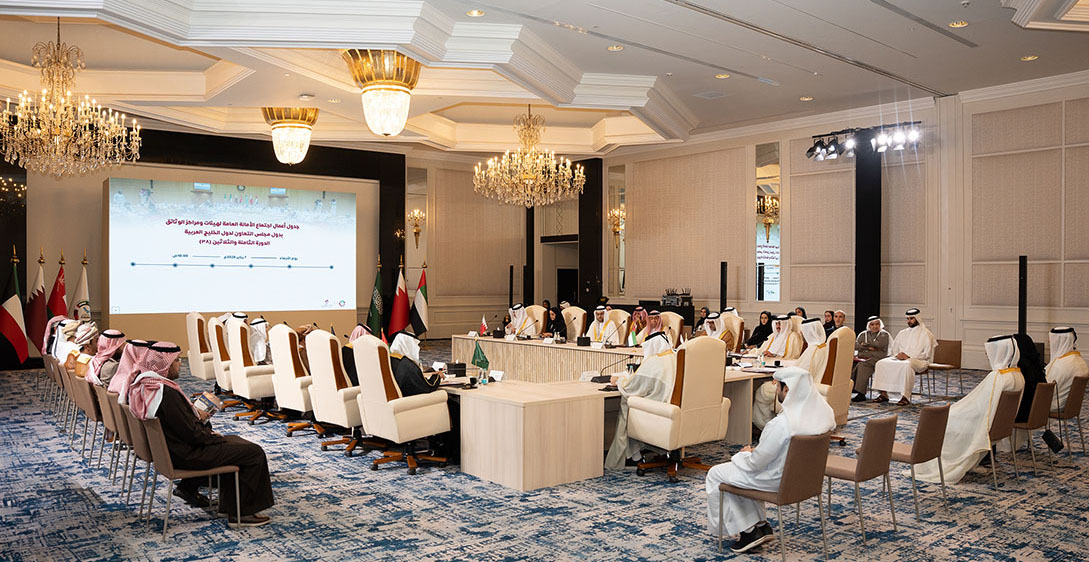

Doha, Qatar – The 38th meeting of the General Secretariat for Centres of Documents and Studies of the Gulf Cooperation Council (GCC) convened in Doha yesterday, focusing on collaborative efforts to preserve regional documentary heritage. Representatives from national archives and research centers across GCC member states participated, underscoring the importance of safeguarding historical records for future generations. The meeting aimed to bolster cooperation in archiving practices and promote a shared understanding of Gulf history.
The meeting, held in Doha, brought together high-level delegations from Qatar, Saudi Arabia, the United Arab Emirates, Bahrain, Oman, and Kuwait. Discussions centered on strengthening the mechanisms for preserving national identity and historical legacy through enhanced archival work. Qatar’s delegation was led by Dr. Ahmed Abdullah Al Buainain, Secretary-General of the National Archives of Qatar.
Strengthening GCC Documentary Heritage
Dr. Al Buainain highlighted the crucial role of the General Secretariat in supporting member states’ initiatives to protect and preserve documents. He noted the meeting demonstrated the strong fraternal ties between GCC nations and a collective dedication to advancing cooperation in archiving and documentation. This collaboration is viewed as essential for maintaining a collective Gulf memory.
GCC Deputy Secretary General of the Centres of Documents and Studies, Dr. Ali bin Ibrahim Al Marri, emphasized the significance of the gathering in solidifying joint Gulf documentary work and recognizing archives as a vital source of societal memory. He stressed the need for a unified approach to managing and accessing information relevant to the region’s history and culture.
Key Discussion Points
The agenda included a review of current practices in archival preservation and the identification of areas for improvement. Participants discussed the increasing challenge of preserving digital records and the need for standardized systems across the GCC. According to reports from the meeting, this included a common metadata schema.
Additionally, the delegates explored opportunities for more frequent exchange programs for archivists and researchers. These programs would foster knowledge sharing and help ensure best practices are consistently applied throughout the region. The importance of building capacity within national documentation centers was repeatedly acknowledged.
National Representation at the Meeting
The State of Qatar was represented by both the National Archives of Qatar and the Documentation and Research Department at the Amiri Diwan. The Kingdom of Saudi Arabia sent representatives from the King Abdulaziz Foundation for Research and Archives (Darah) and the National Centre for Archives and Records.
From the United Arab Emirates, delegates from the Dr. Sultan Al Qasimi Centre, Sharjah Archives, National Library and Archives, and Hamdan Bin Mohammad Heritage Centre attended. The Kingdom of Bahrain’s delegation included members from the National Archives and the Historical Documents Centre. The Sultanate of Oman was represented by the National Records and Archives Authority. Finally, the State of Kuwait sent representatives from the Gulf and Arabian Peninsula Studies Centre at Kuwait University, Al Diwan Al Amiri Historical Documents, Museums and Libraries Centre, and the Centre for Research and Studies.
The importance of leveraging historical archives was underscored by several delegations, who spoke of their commitment to making these resources more accessible to scholars and the public. This aligns with a growing global trend towards open access to historical information.
The meeting’s conclusion reiterated the importance of supporting digital initiatives in archiving and document preservation. Delegates agreed to prioritize training programs and continued experience sharing. Furthermore, promoting awareness of the shared Gulf heritage through various media and cultural platforms was identified as a crucial next step.
Looking ahead, the General Secretariat is expected to develop a detailed action plan based on the discussions held in Doha. A deadline for the plan’s completion has not yet been announced. Future meetings will likely focus on the implementation of these strategies and the evaluation of their effectiveness in strengthening regional information management across the GCC. The degree to which funding is allocated to these initiatives remains a key factor to watch.