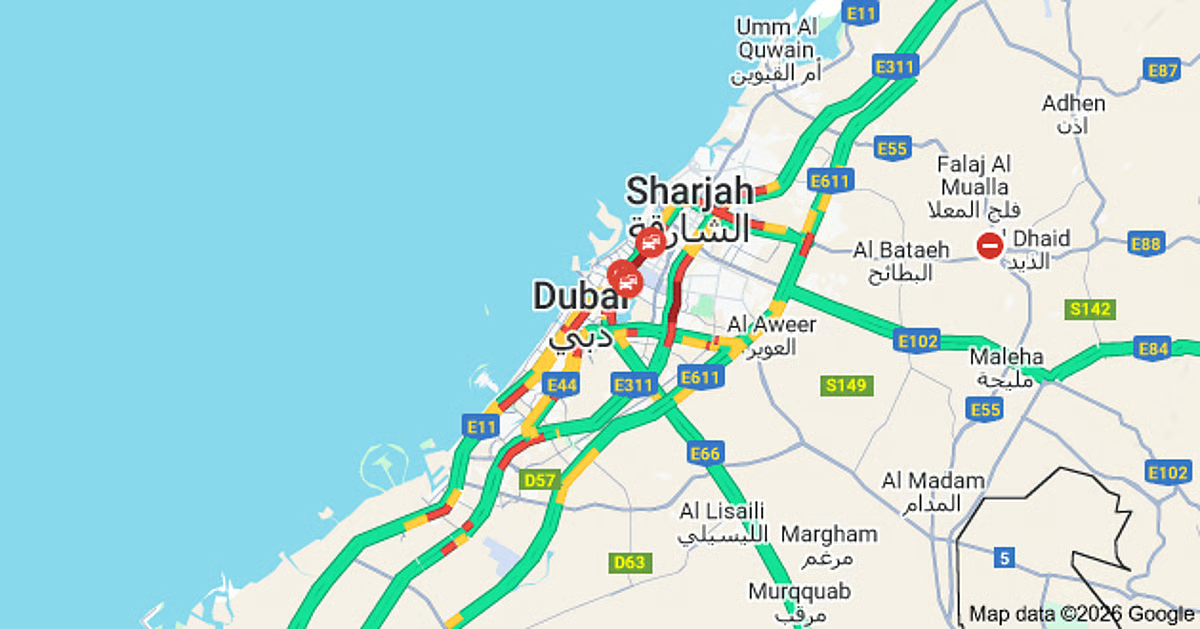

Commuters in Dubai and Sharjah experienced significant traffic slowdowns during peak hours on Tuesday morning, impacting travel times across key roadways. The congestion, reported by traffic authorities and social media users, began around 7:00 AM and continued for several hours, affecting both Dubai-bound and Sharjah-bound traffic. Authorities have attributed the increased volume to a combination of factors, including school reopenings and ongoing roadworks.
The areas most affected included Emirates Road (E611), Sheikh Mohammed bin Zayed Road (E311), and key intersections within both emirates. While these periods of increased congestion are typical at the start of the academic year, this week’s delays appeared more pronounced than usual, causing frustration for drivers. The Roads and Transport Authority (RTA) in Dubai and Sharjah Police actively managed the flow of vehicles and provided real-time updates through their respective platforms.
Understanding the Dubai and Sharjah Traffic Slowdown
Several interconnected elements contributed to the heightened traffic slowdown observed this Tuesday. The primary driver was the full resumption of in-person learning for many schools after the summer break, adding a substantial number of vehicles carrying students and parents to the roads. Additionally, a recent increase in economic activity is also thought to be contributing to higher overall vehicle counts.
Roadwork and Infrastructure Projects
Ongoing road maintenance and infrastructure development projects across Dubai and Sharjah have also played a role in restricting traffic flow. The RTA has multiple projects underway aimed at improving road capacity and connectivity, leading to lane closures and diversions. These projects, while essential for long-term improvements, inevitably cause temporary disruption during peak hours.
Weather Conditions
While not a primary factor, hazy weather conditions in the early morning reportedly reduced visibility in some areas. This prompted drivers to slow down, further contributing to congestion. The National Centre of Meteorology (NCM) issued advisories urging caution on the roads due to the reduced visibility, especially for those travelling from Sharjah into Dubai.
The RTA has been proactively implementing strategies to mitigate the impact of increased traffic. These include optimizing traffic signal timings, deploying additional traffic management personnel, and providing real-time traffic information through its app and social media channels. Sharjah Police similarly deployed traffic officers to manage key chokepoints and ensure smooth traffic flow.
According to data from the Dubai Police traffic monitoring systems, average travel times on Sheikh Mohammed bin Zayed Road increased by 30-45 minutes during the peak of the congestion. Similar reports emerged from Sharjah, with delays witnessed on Emirates Road and Al Ittihad Street. Public transport options, such as the Dubai Metro and Sharjah’s public bus network, experienced increased ridership, but faced challenges accommodating the surge in demand.
The situation highlighted the ongoing challenges of managing rapid population growth and increased vehicle ownership in the UAE. Both Dubai and Sharjah have seen significant expansion in recent years, leading to a greater reliance on private vehicles for commuting. This puts a strain on existing road networks and requires continuous investment in infrastructure improvements.
Experts suggest that encouraging the use of public transportation and promoting alternative commuting options, such as cycling and carpooling, are crucial to alleviate traffic congestion in the long term. Additionally, implementing smart traffic management systems leveraging artificial intelligence and data analytics can help optimize traffic flow and reduce delays. A focus on integrated land use planning, linking residential areas with employment hubs and essential services, is also vital for minimizing commuting distances.
The implementation of paid parking zones and congestion charges in certain areas have been discussed as potential measures, but no concrete decisions have been made. Such strategies, common in other major cities globally, aim to discourage unnecessary vehicle trips during peak hours. However, their feasibility and acceptance within the UAE context remain subjects of debate. Consideration of alternative routes and staggered work hours by private sector companies are also important components of addressing the issue.
Looking ahead, the RTA and Sharjah Police are continuing to monitor traffic conditions closely. They are analyzing the data collected during the current period of traffic volume to identify specific areas requiring immediate attention and to refine their traffic management strategies. A comprehensive review of transportation infrastructure needs is expected to be completed by the end of the year.
Further investment in road infrastructure, continued enhancements to public transport networks, and the potential adoption of smart traffic solutions will be crucial to addressing the persisting issues. The ongoing expansion of the Dubai Metro, coupled with planned enhancements to bus services and the development of new cycling infrastructure in both emirates, represent key initiatives. However, the ultimate success of these efforts remains dependent on shifting commuter behavior and promoting sustainable transportation options.
The impact of school holidays and major events will continue to be a key factor influencing traffic patterns. Regular monitoring and proactive adjustments by traffic authorities will be necessary to ensure the smooth flow of vehicles and minimize disruption for commuters. Future reports will likely focus on the effectiveness of implemented strategies and the identification of new challenges as the urban landscape of Dubai and Sharjah continues to evolve. A long-term, holistic approach to urban mobility, addressing both infrastructure and behavioral aspects, is essential for achieving sustainable road conditions.