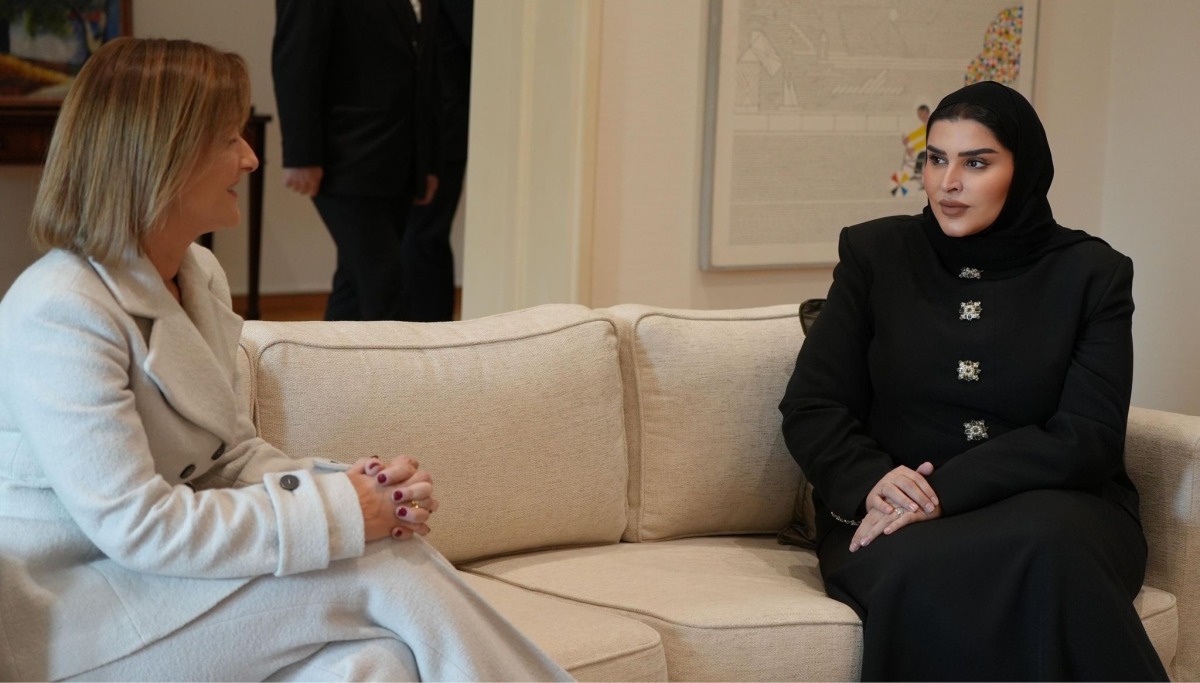

Qatar and Cyprus are strengthening bilateral relations, with a recent meeting focusing on enhanced collaboration in education, cultural diplomacy, and support for vulnerable populations. Minister of State for International Cooperation H.E. Dr. Maryam bint Ali bin Nasser Al Misnad convened with Cypriot First Lady H.E. Philippa Karsera-Christodoulides in Nicosia on January 8th, 2024, to discuss these areas of mutual interest. The talks signal a continued commitment to fostering ties between the two nations.
Deepening Qatar-Cyprus Cooperation
The meeting between the Qatari and Cypriot officials primarily centered on identifying opportunities to expand cooperation. According to the official statement, education and cultural diplomacy were highlighted as key sectors for development. This builds upon existing collaborations and aims to promote understanding and exchange between Qatari and Cypriot societies.
Focus on Educational and Cultural Exchange
Both parties recognized the importance of education in building future relationships. Discussions likely included potential student exchange programs, joint research initiatives, and collaborations between Qatari and Cypriot academic institutions. Cultural exchange programs were also considered vital for fostering a deeper appreciation of each other’s heritage and artistic expression.
However, the discussion extended beyond cultural and academic pursuits. A significant portion of the meeting addressed the critical issue of support for unaccompanied children. This reflects Qatar’s dedication to humanitarian efforts and assistance to vulnerable groups internationally, and aligns with Cyprus’s needs related to migration flows in the region.
The relationship between Qatar and Cyprus has been steadily developing in recent years. In 2023, both countries signed several agreements aimed at boosting economic cooperation, including deals related to air transport and investment promotion. These agreements showcase a concerted effort to diversify both economies and deepen trade linkages. The Ministry of Foreign Affairs has consistently emphasized the importance of maintaining a strong and pragmatic foreign policy.
Additionally, Qatar and Cyprus share common ground on regional security issues, particularly concerning the Eastern Mediterranean. Both countries advocate for peaceful resolutions to conflicts and uphold international law. This shared perspective strengthens their diplomatic alignment and contributes to regional stability. The Cypriot Ministry of Foreign Affairs acknowledges Qatar as a key partner in addressing these challenges.
Meanwhile, diplomatic efforts are ongoing to encourage further investment in both nations. Qatar’s sovereign wealth fund, the Qatar Investment Authority (QIA), has been actively exploring investment opportunities globally, and Cyprus presents a potentially attractive destination due to its strategic location and business-friendly environment. This investment could benefit sectors like tourism, infrastructure, and renewable energy.
In contrast to some regional dynamics, Qatar and Cyprus maintain a constructive dialogue. The relationship isn’t heavily impacted by the political complexities surrounding the division of Cyprus, as Qatar consistently supports a UN-led solution. This allows for a focused approach on areas of mutual benefit, enhancing diplomatic ties and collaborative initiatives.
The discussions also touched on other topics of mutual interest, though specific details were not disclosed. These conversations demonstrate a comprehensive approach to strengthening the strategic partnership between Qatar and Cyprus. The potential for broadened collaboration in areas like healthcare and environmental sustainability remains open for exploration.
Looking ahead, the outcomes of this meeting are expected to translate into concrete action plans within the coming months. Further negotiations on specific projects in education and cultural exchange are likely to take place. The development of a more formalized framework for supporting unaccompanied children is also anticipated. However, the timeline for implementation will depend on logistical considerations and ongoing discussions between the respective governments. The effectiveness of this bilateral relations building will be a key indicator of further cooperation, and observers will be watching for tangible outcomes throughout 2024.
Continued engagement is expected as both countries navigate evolving regional and global challenges, promoting international cooperation and shared goals.