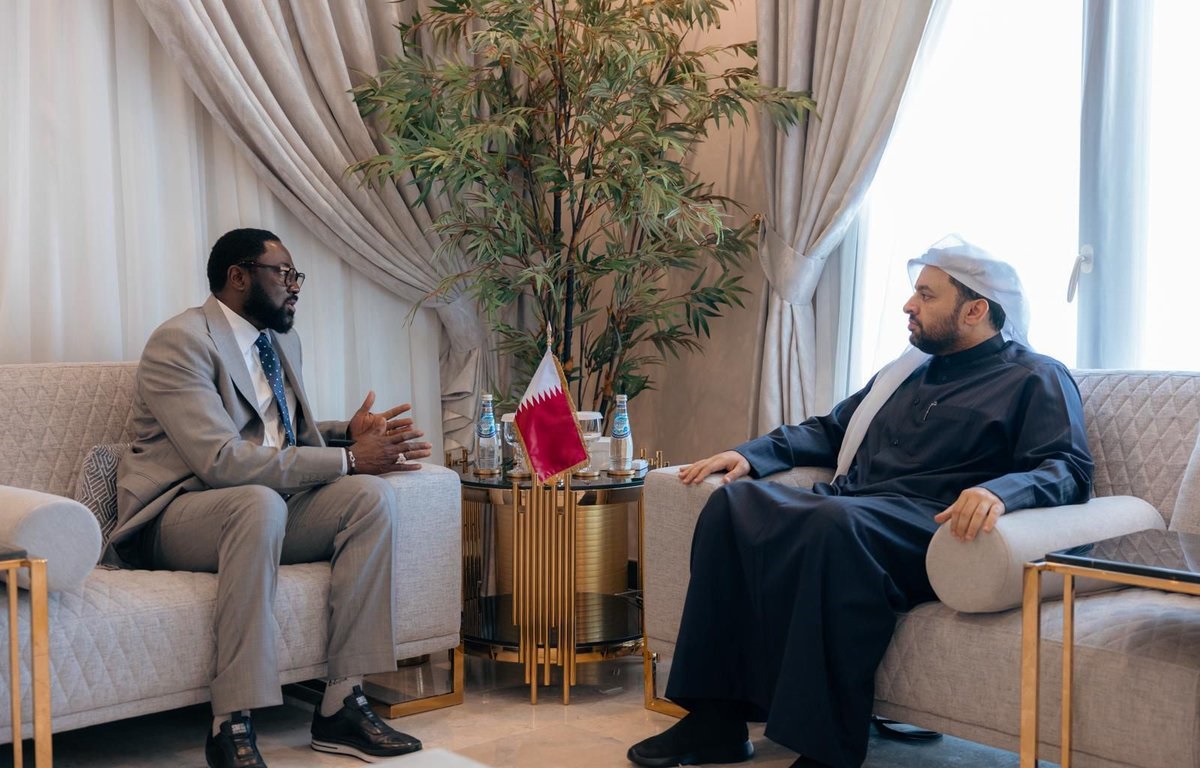

Doha, Qatar – Qatar is actively engaging in diplomatic efforts to promote stability in the Sahel region of Africa. Minister of State at the Ministry of Foreign Affairs, HE Dr. Mohammed bin Abdulaziz Al Khulaifi, met with Mamadou Tangara, the Special Representative of the African Union Commission for Mali and the Sahel, on Thursday to discuss the evolving security and development challenges facing the area. This meeting underscores Qatar’s commitment to supporting international initiatives aimed at fostering peace and prosperity in the Sahel region.
The discussions, held in Doha, focused on recent developments in Mali and the broader Sahel, as well as potential collaborative strategies to bolster regional security and sustainable development. According to the Ministry of Foreign Affairs, the meeting aimed to strengthen cooperation between Qatar and the African Union in addressing the complex issues impacting the area. This engagement comes amid growing concerns about political instability, extremist violence, and humanitarian crises throughout the Sahel region.
Qatar’s Role in Sahel Stability
Qatar has increasingly positioned itself as a mediator and facilitator in international conflicts, and its involvement in the Sahel reflects this broader foreign policy approach. The country’s engagement is driven by a desire to contribute to global security and support the African Union’s efforts to address the root causes of instability. This includes addressing issues like poverty, climate change, and governance challenges that contribute to the vulnerability of Sahelian nations.
Geopolitical Context
The Sahel region, a vast semi-arid area south of the Sahara Desert, faces a multitude of interconnected challenges. Several countries, including Mali, Burkina Faso, and Niger, have experienced military coups in recent years, further destabilizing the region. These political upheavals have created a security vacuum exploited by extremist groups linked to al-Qaeda and ISIS. Additionally, the region is grappling with the effects of climate change, including droughts and desertification, which exacerbate existing tensions over resources.
However, the situation is not monolithic. Some countries in the region, like Senegal and Côte d’Ivoire, have maintained relative stability. The African Union is working to coordinate a comprehensive response that addresses both the security and developmental aspects of the crisis. Qatar’s support for this approach is seen as crucial by regional stakeholders.
Areas of Potential Cooperation
The meeting between Dr. Al Khulaifi and Mr. Tangara likely explored several avenues for increased cooperation. These could include Qatar providing financial assistance for development projects, supporting capacity-building initiatives for security forces, and facilitating dialogue between regional actors. Qatar’s experience in mediation and conflict resolution could also be valuable in addressing political disputes and promoting inclusive governance. Qatar’s recent mediation efforts in other international disputes demonstrate its willingness to play a constructive role.
Meanwhile, the discussions also likely touched upon the humanitarian situation in the Sahel. Millions of people in the region are facing food insecurity and displacement due to conflict and climate change. Qatar has a history of providing humanitarian aid to countries in need, and it may consider increasing its assistance to address the urgent needs of vulnerable populations in the Sahel region. The ongoing humanitarian crisis requires a coordinated international response.
In contrast to some international actors focusing solely on military solutions, Qatar appears to be advocating for a more holistic approach that prioritizes development and good governance. This aligns with the African Union’s own strategy for the Sahel, which emphasizes the importance of addressing the root causes of instability.
Looking ahead, the outcome of this meeting will likely be reflected in concrete initiatives announced in the coming months. The specific details of any Qatari assistance package remain to be seen, as does the extent to which Qatar will be involved in future mediation efforts. The evolving political landscape in the Sahel and the ongoing security challenges will continue to shape the region’s trajectory, and Qatar’s role will be closely watched by regional and international observers.