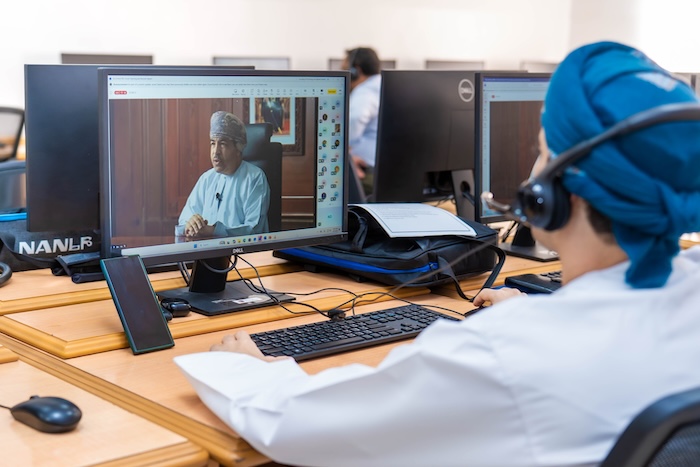

The modern educational landscape is rapidly evolving, demanding new approaches to how we teach and, crucially, how students learn. Recognizing this shift, the University of Technology and Applied Sciences (UTAS) – Al Mussanah, under the guidance of Vice Chancellor His Excellency Dr. Said Hamed Al Rubaii, recently hosted its 3rd Online Preparatory Studies Centre (PSC) Forum, focused on learner autonomy. This event, held on January 7-8, 2026, provided a vital platform for educators to explore strategies for empowering students in a digitally-driven world.
UTAS Al Mussanah Forum Champions Learner Autonomy in the Digital Age
The 3rd Online PSC Forum, entitled “Enhancing Learner Autonomy: Strategies for a Digital Age,” wasn’t simply another academic conference. It was a deliberate response to the increasing need for educational practices that prioritize the student as an active participant in their own development. The two-day forum skillfully brought together academics, educators, and specialists from across Oman and internationally, fostering a dynamic exchange of ideas centered on self-directed learning.
The core focus lay on understanding how to best equip students with the skills and confidence to navigate their education independently, leveraging the powerful tools available in today’s digital environments. This is increasingly critical, as traditional models of instruction are proving less effective in preparing students for the complexities of the 21st-century workforce.
A Growing Need for Independent Learners
The driving force behind the forum clearly acknowledges the swift pace of technological advancement. Educators understand that content is readily accessible; therefore, the emphasis needs to shift from rote memorization to critical thinking, problem-solving, and the ability to curate and apply knowledge effectively. Cultivating independent learning skills isn’t just about allowing students more freedom but about guiding them to become responsible, proactive individuals capable of lifelong learning.
Keynote Insights from Global Education Leaders
The forum program was distinguished by two compelling keynote addresses from internationally renowned scholars. These keynotes served as cornerstones for the discussions that followed, offering both theoretical frameworks and practical applications.
Professor Jo Mynard on Autonomy in Language Learning
Professor Jo Mynard of Kanda University of International Studies (Japan), a leading expert in learner autonomy and advising in language learning, delivered the first keynote. Her presentation likely delved into methodologies specifically designed to empower language learners, focusing on strategies to encourage self-assessment, goal setting, and the utilization of authentic resources. Understanding the nuances of autonomy within the language learning context is especially important given the active role learners must take in practicing and applying their skills.
Professor Cem Balçıkanlı on Teacher Development and Autonomy
The second keynote was provided by Professor Cem Balçıkanlı from Gazi University (Türkiye), whose research focuses on the critical intersection of teacher education, learner autonomy, and language teacher development. His insights would have been particularly valuable for educators seeking to adapt their teaching practices to foster greater student self-direction. Professor Balçıkanlı’s work likely explored how teacher training can better prepare educators to support and nurture student-centered learning.
Specialized Sessions: Practical Strategies for Implementation
Beyond the thought-provoking keynote addresses, the 3rd Online PSC Forum offered six specialized online sessions. These sessions moved beyond theory and focused on providing participants with concrete, actionable strategies.
Topics covered included:
- Technology-enhanced learning techniques.
- Autonomy-supportive pedagogies.
- Innovative classroom practices that promote self-reliance.
This dedicated focus on practical application ensured that attendees left the forum with a toolkit of ideas they could immediately implement in their own teaching contexts. The sessions likely encouraged peer-to-peer learning and the sharing of best practices, further amplifying the impact of the event.
Aligning with UTAS’s Vision for Educational Excellence
This forum wasn’t an isolated event; it was a deliberate step within UTAS’s broader strategic vision. UTAS is committed to enhancing educational quality, fostering innovation in teaching and learning, and strategically integrating digital technologies. The focus on learner autonomy directly supports these goals.
By empowering students to take ownership of their learning journey, UTAS is preparing them not only for academic success but also for the challenges and opportunities of a rapidly changing world. The initiative demonstrates a forward-thinking approach to education, recognizing that the future of learning lies in cultivating independent, adaptable, and lifelong learners.
Fostering Collaboration and Knowledge Exchange
The 3rd Online PSC Forum successfully facilitated both professional collaboration and valuable knowledge exchange. By bringing together a diverse group of educators from Oman and around the globe, the event created a space for shared learning and the development of new partnerships. This collaborative spirit is essential for driving innovation in education and ensuring that best practices are disseminated widely. The forum’s online format allowed for greater accessibility and participation, breaking down geographical barriers and fostering a more inclusive learning environment.
Ultimately, the forum proved to be a significant contribution to the ongoing conversation about how to best prepare students for success in the digital age. It provided valuable insights, practical strategies, and a renewed sense of purpose for educators committed to fostering learner autonomy and driving positive change in education. We encourage continued discussion and implementation of the strategies shared to build a more empowering and effective learning experience for all students, furthering the goals of pedagogical innovation within UTAS and beyond.