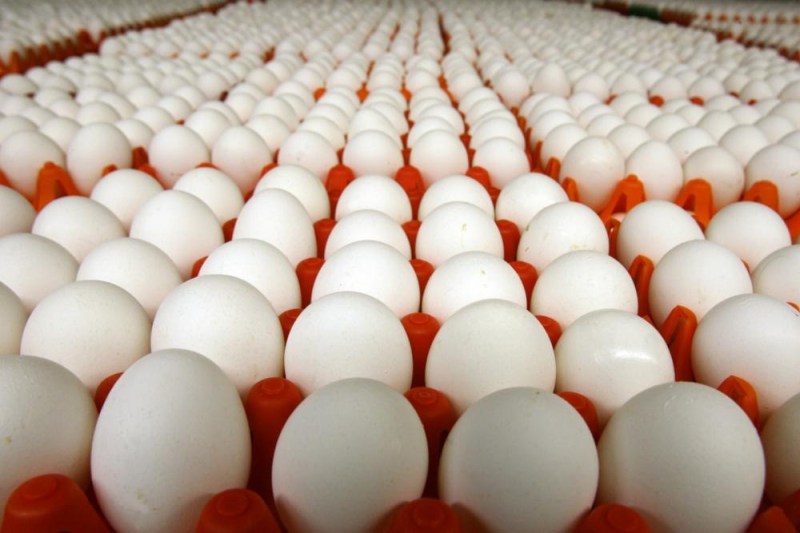

Saudi Arabia’s table egg production reached a new high in 2024, surpassing 8.4 billion eggs. This represents a 6.4 percent increase over the 7.9 billion eggs produced in 2023, according to the Ministry of Environment, Water and Agriculture. The growth highlights the Kingdom’s increasing self-sufficiency in poultry and its commitment to food security, a key component of the Vision 2030 plan.
The majority of this production is concentrated in key regions. The Riyadh region led with approximately 3.2 billion eggs, followed by the Makkah region with 1.5 billion, and the Eastern Province contributing around 1.1 billion. These figures underscore the regional distribution of agricultural activity within Saudi Arabia and represent significant output for domestic consumption.
Boosting Quality and Food Security with Table Egg Production
The increase in table egg production is being driven by a combination of factors, including investment in modern farming techniques and a strategic focus on bolstering domestic agricultural capacity. Saudi Arabia, like many Gulf nations, has been focused on reducing its reliance on food imports and improving its national food security posture in recent years. This push is particularly important given global supply chain vulnerabilities and geopolitical instability.
A significant aspect of this growth is the widespread adoption of quality control measures. Currently, 82 percent of the country’s table egg production is certified under the Saudi Good Agricultural Practices (GAP) standard. This is a notable achievement and demonstrates a strong commitment from producers to adhering to international food safety protocols.
The Importance of Saudi GAP Certification
The Saudi GAP program is a key initiative launched by the Ministry. It aims to standardize and improve agricultural practices, ensuring the quality and safety of both plant and animal products. This accredited certification is becoming increasingly vital for accessing both domestic and potentially export markets.
According to the ministry, expanding the application of Saudi GAP encourages producers to meet approved standards and builds consumer confidence in locally sourced products. Consumers are increasingly aware of food safety and quality concerns, making certifications like Saudi GAP a crucial differentiator for producers. This impacts consumer habits and local market shares.
The financial benefits of participating in such programs are also becoming apparent. Producers who adopt and maintain Saudi GAP certifications often find increased access to financing and favorable market conditions. This incentivizes greater participation and further improvements in overall production quality.
Beyond eggs, Saudi Arabia is also making strides in increasing production of other poultry products, like chicken meat. Investment in feed production and hatchery infrastructure, crucial for scaling poultry farming, also plays a role in boosting egg output. However, the specifics of broiler production growth were not detailed in the report.
In contrast to previous decades, the Kingdom is moving away from a heavily import-dependent system for eggs. This shift has been carefully managed to avoid disruptions to supply and price volatility. The government has provided support to local farmers through subsidies and access to technology, facilitating this transition.
The increase in egg production also aligns with broader trends in the livestock sector. Saudi Arabia is prioritizing sustainable agricultural practices and seeking to optimize resource utilization. Water conservation, efficient feed management, and disease control are all critical components of this strategy and contribute to the overall viability of the industry. This broader strategy reflects an increasing focus on sustainable agriculture within the Kingdom.
Meanwhile, the ministry continues to monitor market dynamics and consumer demand. Regular assessments of production capacity, import levels, and price trends are conducted to ensure stability and prevent shortages or surpluses. The availability of data, like these recent production figures, is crucial for informed decision-making.
Furthermore, the rise in domestic production is expected to have a positive impact on the national economy, creating jobs in the agricultural sector and reducing the outflow of foreign currency. The focus on developing local capacity contributes to economic diversification, a cornerstone of the Vision 2030 reforms.
The ministry has not yet announced specific production targets for 2025. However, it is anticipated that the current trajectory of growth will continue, with a focus on further enhancing quality and expanding the reach of the Saudi GAP certification program. Monitoring upcoming policy announcements related to agricultural subsidies and technology adoption will be key to understanding the future direction of the industry, as will observing the effects of ongoing investment in the sector.
Ultimately, the long-term success of this initiative will depend on maintaining a balance between increasing production, ensuring quality, and addressing sustainability concerns. The Ministry’s continued commitment to these objectives will be crucial for solidifying Saudi Arabia’s position as a major poultry producer in the region.