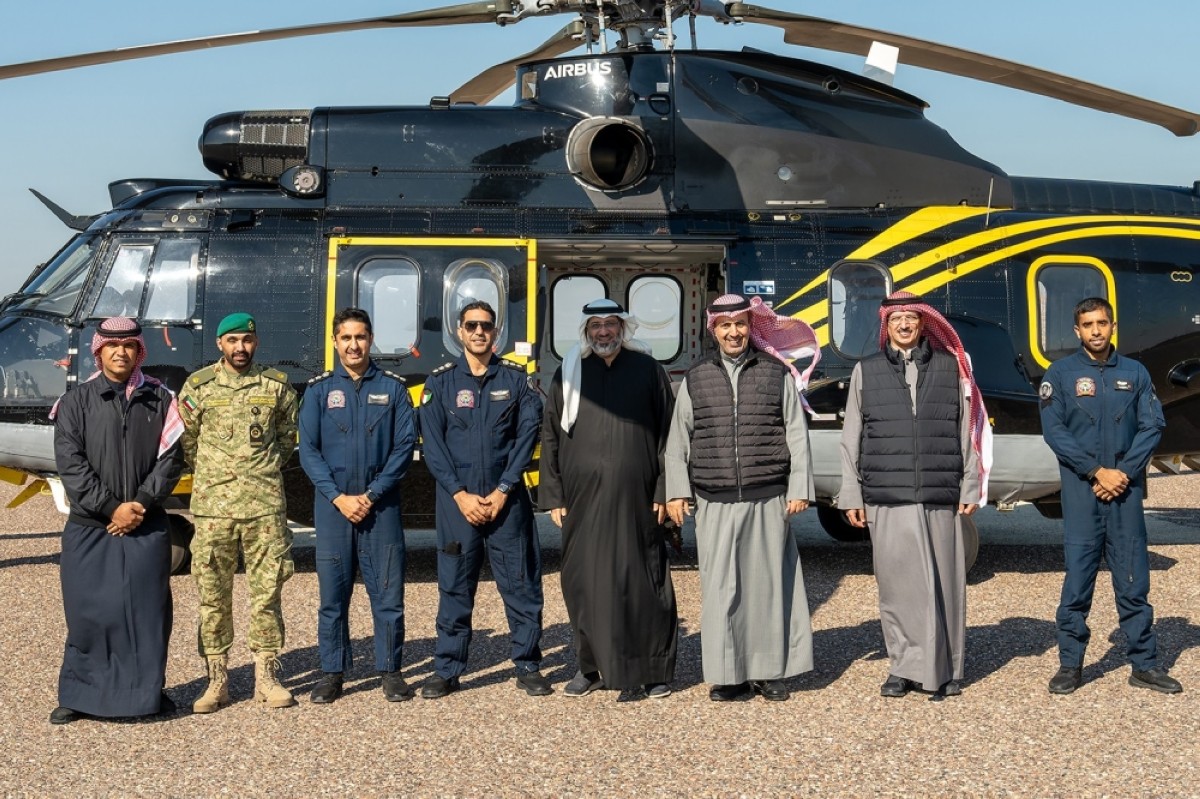

Kuwait is bolstering its defenses against potential nuclear and radiological emergencies through enhanced regional cooperation and a rigorous evaluation of its national monitoring systems. A recent field tour conducted by the GCC Emergency Management Center (GEMC) across Kuwait’s radiation monitoring stations highlights a proactive approach to safeguarding public health and the environment. This initiative emphasizes the critical importance of preparedness and seamless integration between national and regional early-warning frameworks in the face of evolving global threats.
Strengthening Regional Preparedness for Radiological Emergencies
The GEMC, headquartered in Kuwait, recently completed a comprehensive field tour designed to assess the operational readiness of Kuwait’s radiation monitoring stations. Led by Director Brig Gen Dr Rashed Al-Marri, the visit underscored the center’s dedication to increasing Gulf-wide and national coordination in detecting and responding to nuclear and radiological incidents. The focus was on ensuring these systems weren’t just functional, but fully integrated with broader regional warning networks.
Dr. Al-Marri emphasized that radiation monitoring stations represent the “first line of defense” in any effective early warning system. He explained to the Kuwait News Agency (KUNA) that prioritizing this initial detection layer and its connectivity to neighboring countries is paramount. This proactive stance aims to ensure a swift and unified response capability, minimizing potential harm to communities. The tour is part of a broader ongoing effort to reinforce both technical capabilities and the human resources dedicated to emergency management.
The Importance of Integrated Systems
The need for integrated systems stems from the transboundary nature of radiological emergencies. A release of radiation doesn’t respect national borders. Effective management requires real-time data sharing and coordinated response plans across the Gulf Cooperation Council (GCC) states. This collaboration allows for a more accurate assessment of risk, faster implementation of protective measures, and a more efficient deployment of resources.
The GEMC’s work directly supports this goal, fostering a unified approach to radiation safety that aligns with international best practices. Moreover, the center aims to establish consistent data collection and analysis methodologies throughout the region, enabling meaningful comparisons and reinforcing collective security.
Collaborative Effort within Kuwait
The success of the tour was built on a strong foundation of collaboration with key Kuwaiti government agencies. The Ministry of Interior played a central role in organizing the visit, and representatives from the Kuwait National Guard, the Ministry of Health, and the Kuwait Institute for Scientific Research participated actively. This cross-agency involvement demonstrates Kuwait’s commitment to a whole-of-government approach to nuclear security.
Dr. Al-Marri lauded this collaboration as “an advanced model of institutional cooperation,” noting its value in not only preparing for emergencies but also in maintaining a high level of vigilance under normal circumstances. This ongoing partnership ensures that expertise and resources are readily available and that protocols are constantly refined and updated.
Reviewing Operational Capacity and Technical Readiness
The tour’s agenda involved a thorough review of how Kuwait’s radiation monitoring stations operate. Officials examined the technical aspects of the stations, verifying their accuracy and reliability. They also assessed the integration of these stations with the nation’s overall early warning and rapid response systems.
Special attention was given to marine monitoring buoys, specifically designed to detect chemical and radiological threats in Kuwait’s coastal waters. These buoys represent a crucial element in protecting marine ecosystems and ensuring the safety of seafood supplies, which are particularly vital in the region. In addition to hardware checks, the tour facilitated valuable knowledge-sharing among the participating agencies.
The Broader Scope of GCC Emergency Management
While this specific tour centered on Kuwait’s preparedness, it’s important to contextualize it within the GEMC’s wider mission of strengthening regional resilience. The center is actively engaged in a variety of initiatives aimed at developing technical and human capacities in emergency response planning.
These programs include conducting regular training exercises, sharing best practices in emergency management protocols, and collaborating on joint research projects. The GEMC is dedicated to building a robust and interconnected system of preparedness throughout the GCC region, capable of effectively mitigating the impact of any future nuclear or radiological event.
The GEMC’s ongoing work focuses on enhancing monitoring and early warning systems, bolstering regional readiness and fostering the development of skilled professionals in the field of nuclear and radiological emergency management. This dedication to proactive measures underscores the importance of a collaborative and vigilant approach to safeguarding the Gulf region against potential threats.
Ultimately, the GEMC’s recent activities in Kuwait serve as a powerful reminder that effective disaster preparedness requires not only advanced technology and robust infrastructure, but also – and perhaps more importantly – strong partnerships, constant vigilance, and a commitment to continuous improvement. Staying informed about these regional efforts is crucial for understanding evolving security measures and ensuring collective safety.