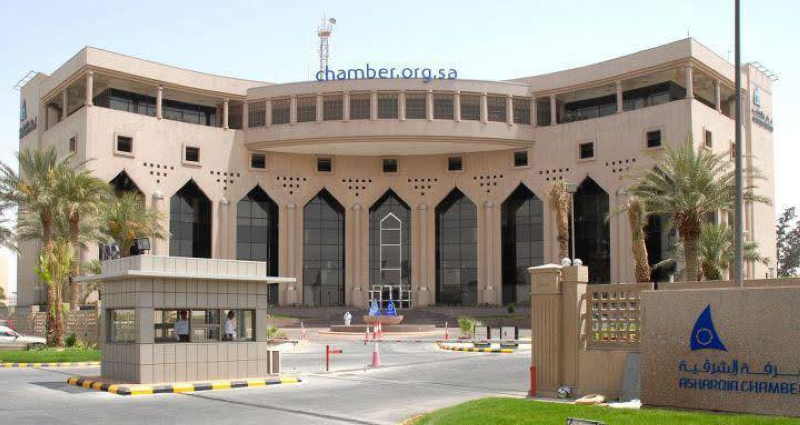

RIYADH — Recent ministerial orders from Saudi Arabia’s Minister of Commerce, Majed Al-Qasabi, have reshaped the leadership of two key regional business organizations. New boards of directors for the Hail and Eastern Province Chambers of Commerce have been appointed for a four-year term, signaling a continued effort to bolster the Kingdom’s private sector. These appointments, finalized this month, follow a decision by the Council of Ministers granting the Minister of Commerce increased authority in board composition.
The changes affect two of Saudi Arabia’s most economically significant provinces. The Eastern Province, a hub for oil and petrochemical industries, and the Hail Province, a growing center for agriculture and logistics, will each be guided by newly constituted chambers. These organizations play a crucial role in advocating for business interests and fostering economic development at the regional level.
New Leadership for Saudi Arabia’s Chambers of Commerce
The appointed boards represent a mix of established business figures and emerging leaders. For the Hail Chamber, the new members include Saud bin Farih Abdul Aziz Al-Mawka, Salman bin Salah Salem Al-Sulaimi, Abdul Rahman bin Salem Ibrahim Al-Malaq, Ali bin Bandar Ali Al-Sudairi, Fahd bin Fayd Hatal Al-Shammari, and Naif bin Abdul Karim Abdul Mohsen Al-Jamil. This composition aims to bring diverse expertise to address the challenges and opportunities within the Hail region.
Meanwhile, Ibrahim bin Mohammed Nasser Al-Dossari will chair the Eastern Province Chamber alongside members Agharid bint Ihsan Farid Abdul Jawad, Hamad bin Mohammed bin Hamad Al-Khaldi, Hamad bin Mohammed bin Hamad Al-Raqeeb, Sarah bint Essam Abdul Qader Al-Muhaidib, Abdul Rahman bin Khalid Abdullah Al-Zamil, Abdulrahman bin Mohammed Abdulrahman Al-Bassam, Ali bin Abdullah Ali Al-Sihaiti, Abdul Salam bin Mohammed Hamad Al-Jabr, Fahd bin Abdullah Saad Al-Subaie, Mohammed bin Abdulmohsen Rashid Al-Rashid, and Mohammed bin Ali Ibrahim Al-Majdoui. The inclusion of Agharid Abdul Jawad represents continued efforts towards increased female representation in Saudi business leadership.
Authority to Appoint and Regulatory Context
The appointments were made possible by a decision in August from the Council of Ministers. This decision authorized the Minister of Commerce to directly appoint chamber board members, providing flexibility in responding to evolving economic needs. However, this authority is not unlimited. The ministry must ensure appointees meet the stipulations outlined in the Chambers of Commerce Law.
Additionally, any further criteria set forth by the Council of Economic and Development Affairs (CEDA), based on recommendations from the Minister of Commerce, must also be satisfied. This tiered approval process underscores the government’s commitment to strategic oversight of these vital economic institutions. This move also reflects broader changes within the Kingdom to enhance governance and streamline decision-making related to the private sector.
The Saudi Vision 2030 emphasizes the importance of a thriving private sector as a key driver of economic diversification. Strong and effective chambers of commerce are considered essential for achieving this ambitious goal. The Council of Ministers has been actively updating policies to facilitate greater private sector involvement and to make the business environment more competitive.
Implications for Regional Economies
The new boards are expected to prioritize initiatives that support local businesses and attract foreign investment. In the Eastern Province, this could involve streamlining processes for companies operating in the energy sector and developing infrastructure to support petrochemical expansion. The presence of industry veterans like Ibrahim Al-Dossari suggests a continuity of focus on these areas.
For Hail Province, the focus may shift towards enhancing agricultural competitiveness and improving logistical links to key markets. The appointments signal an ambition to capitalize on the province’s strategic location and logistical potential, becoming a major player in Saudi Arabia’s trade network. This potentially includes support for the development of specialized economic zones.
One key challenge facing the new boards will be navigating the changing economic landscape and adapting to global trends. The Ministry of Commerce has indicated a focus on supporting small and medium-sized enterprises (SMEs), which are seen as crucial for job creation and economic diversification. The new boards will be expected to develop strategies to address the specific needs of SMEs in their respective regions.
Furthermore, the boards will likely play a role in implementing new regulations and policies aimed at improving the ease of doing business in Saudi Arabia. Recent reforms have focused on reducing bureaucratic hurdles and creating a more transparent regulatory environment, and the chambers are expected to facilitate the adoption of these changes by the local business community.
Looking ahead, the effectiveness of these new boards will be closely monitored by the Ministry of Commerce and CEDA. Performance will likely be assessed based on key indicators such as membership growth, investment attraction, and the implementation of initiatives aligned with Saudi Vision 2030. The four-year term will conclude in 1451 AH, and future appointments will likely reflect the ongoing evaluation of the chambers’ contributions to the Kingdom’s economic goals. The next step involves the formal handover of responsibilities and the initiation of strategic planning sessions for each chamber.