
Kuwait is demonstrating a significant commitment to transparency and accountability with recent actions taken by its Anti-Corruption Authority (Nazaha). On Tuesday, Nazaha announced the referral of over a thousand individuals – including current and former officials – to the public prosecution on suspicions ranging from graft and illegal profiteering to violations of financial disclosure laws. This move underlines the nation’s ongoing efforts to combat corruption in Kuwait and build trust in its governmental institutions.
Nazaha’s Recent Crackdown on Corruption
The scale of the recent referrals is striking, with 1,035 individuals now facing potential legal scrutiny. Nazaha emphasized that this action is a direct result of implementing the anti-corruption law, which came into effect in 2016. This law mandates that senior officials proactively disclose their personal wealth both when entering and leaving office— a crucial step in identifying and preventing illicit enrichment.
Details of the Allegations
The accusations leveled against these individuals are diverse. They include suspicions of outright corruption, engaging in illegal profiteering, and failing to adhere to the financial disclosure requirements. Specifically, some are alleged to have submitted inaccurate or incomplete information regarding their assets, while others are accused of neglecting to submit disclosures altogether.
It’s important to note that these are suspicions at this stage. The referral to the public prosecution initiates a formal investigation, which will determine whether sufficient evidence exists to proceed with a legal case. While Nazaha hasn’t released a breakdown of the cases, the sheer number highlights a discernible pattern and signals a proactive stance against financial misconduct. The effectiveness of this approach relies on robust investigations and fair legal proceedings.
Strengthening Governance and Public Trust
Nazaha’s actions directly align with its core mandate: to strengthen the rule of law, protect public funds, and foster a culture of integrity and transparency within the Kuwaiti government. By actively pursuing allegations of wrongdoing, and holding individuals accountable, Nazaha aims to restore and enhance public confidence in state institutions.
This effort is particularly vital in a region undergoing significant economic and political reforms. Strong governance is recognized as a key ingredient for sustainable development and attracting foreign investment. Combatting financial crime and creating a level playing field are essential for economic growth and social stability.
Interior Minister’s Focus on Workforce Development
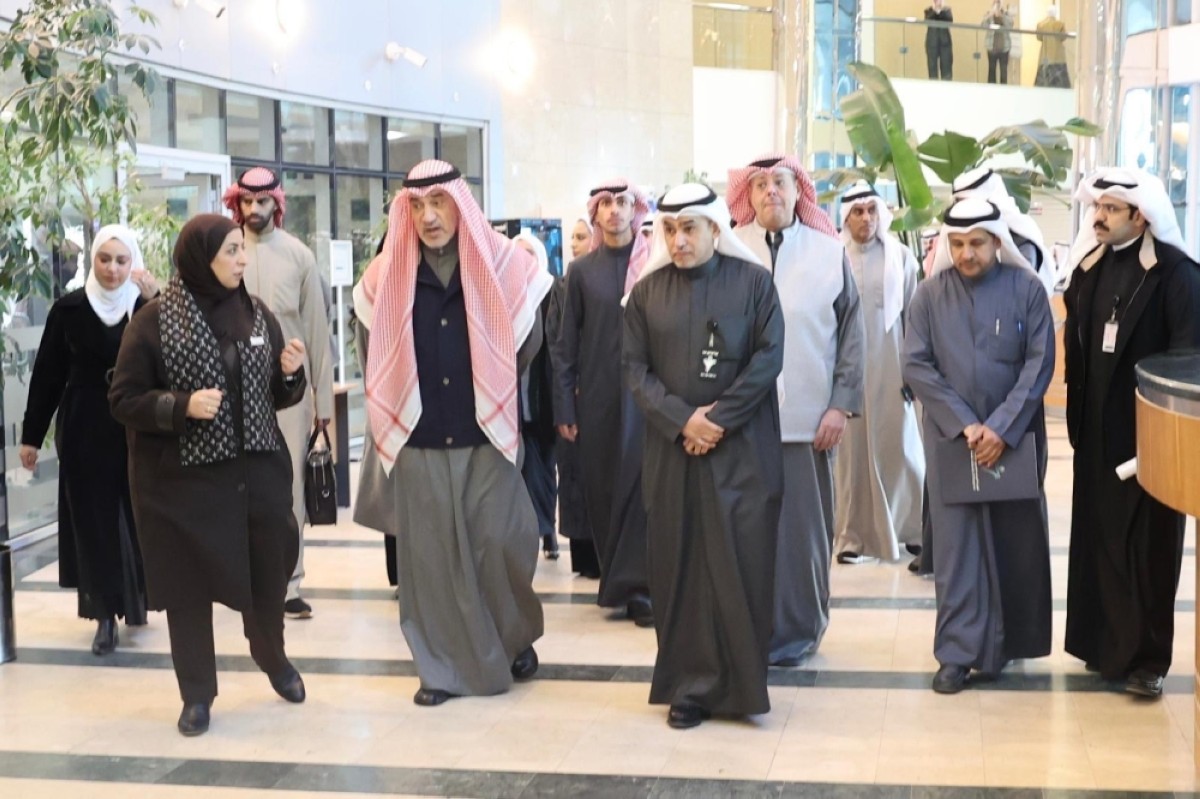
Meanwhile, a separate but complementary initiative underscores the Kuwaiti government’s commitment to strengthening its internal structures. First Deputy Prime Minister and Interior Minister Sheikh Fahad Al-Yousef Al-Sabah recently toured the Public Authority of Manpower, focusing on workflow and institutional performance.
Sheikh Fahad’s visit wasn’t simply observational. He engaged directly with employees, actively soliciting their feedback and suggestions. He stressed the paramount importance of cultivating a positive and motivating working environment, recognizing that employees are the bedrock of any successful organization.
Investing in Human Capital
The Minister’s message was clear: institutional development begins with investing in human resources. He emphasized the need to support staff, listen to their concerns, and empower them to contribute their best work. This proactive engagement demonstrates a leadership style focused on understanding the challenges faced by government employees and collaborating on solutions.
Sheikh Fahad also encouraged teamwork and diligent effort, expressing confidence in the capabilities of the workforce to achieve the Authority’s objectives and contribute to national progress. He believes a skilled and motivated workforce is essential for delivering high-quality services and achieving institutional excellence—a goal that aligns with Nazaha’s broader mission of strengthening governance. This also speaks to broader initiatives surrounding Kuwait workforce development occurring within the country.
The Bigger Picture: A Commitment to Reform
The simultaneous efforts of Nazaha and the Interior Minister paint a picture of a Kuwaiti government deeply committed to reform. While the referral of over a thousand individuals on suspicion of corruption is a significant development, it is only one piece of the puzzle. The focus on workforce development and creating a more supportive work environment is equally crucial, contributing to a more efficient and accountable public sector.
The success of these initiatives will depend on sustained commitment, robust enforcement of the law, and a genuine desire to foster a culture of integrity throughout the government. It remains to be seen how many of the referrals made by Nazaha will ultimately lead to convictions in court, however, the increased transparency and proactive approach are undoubtedly positive steps for Kuwait.
Looking Ahead
Kuwait’s ongoing anti-corruption drive, as exemplified by Nazaha’s recent actions, is a developing story with potentially far-reaching consequences. Continued monitoring of these cases, coupled with ongoing efforts to strengthen governance and invest in human capital, will be vital for assessing the true impact of these reforms. The nation’s ability to effectively address corruption and build trust will be a crucial factor in its future economic and social prosperity.
For further updates on Nazaha’s activities and related developments in Kuwaiti governance, please refer to official government sources and reputable news outlets. Engage in discussions about the importance of transparency and accountability in the public sector – your voice matters in shaping a more just and equitable future.