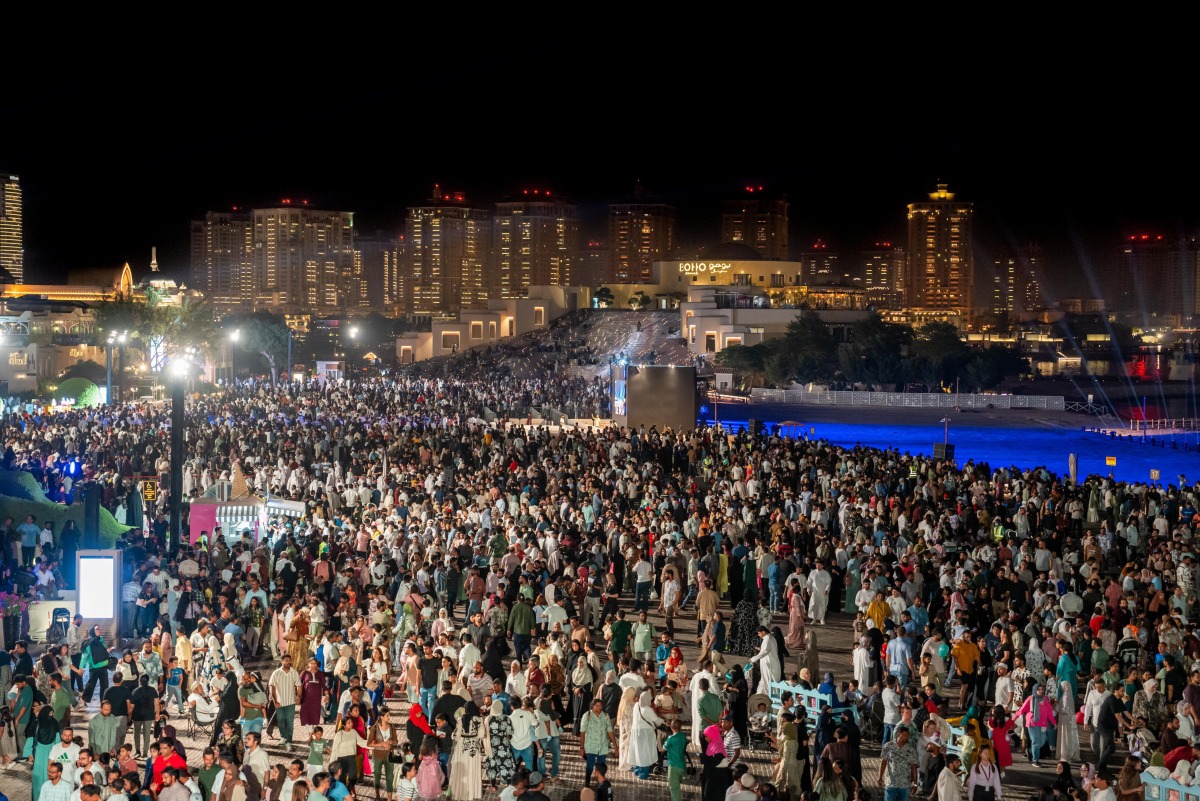

Doha, Qatar – Qatar’s population growth continued its upward trajectory in 2025, reaching 3,214,609 residents by the end of December, according to recently released data from the National Planning Council. This represents a 2.3 percent increase compared to the population recorded at the end of December 2024. The sustained expansion reflects the nation’s economic diversification and ongoing development initiatives.
The latest figures follow a period of significant demographic change, with the population standing at 3,340,858 at the close of November 2025 – a 5.3 percent year-over-year increase. This indicates a slight deceleration in the rate of growth during December, though overall numbers remain robust. The data provides a key indicator of Qatar’s socio-economic performance and future planning needs.
Understanding Qatar’s Population Growth
Several factors are contributing to this consistent population growth. A primary driver is the expanding Qatari economy, which continues to attract foreign workers across a range of sectors. Additionally, substantial investment in infrastructure projects, including those related to the 2022 FIFA World Cup and ongoing preparations for future events, creates demand for a skilled labor force.
Economic Diversification and Labor Demand
Qatar has actively pursued economic diversification away from its reliance on hydrocarbons, focusing on sectors like tourism, finance, and logistics. This diversification requires a skilled workforce, leading to increased recruitment from international markets. The construction sector, while maturing post-World Cup, still requires significant manpower for ongoing projects and maintenance.
Infrastructure Development and Investment
The country’s commitment to large-scale infrastructure projects, such as the expansion of Hamad International Airport and the development of new cities like Lusail, necessitates a continuous influx of workers. These projects not only create immediate employment opportunities but also stimulate related industries, further boosting demographic changes.
However, the rate of growth in November was notably higher than December. This could be attributed to seasonal fluctuations in labor recruitment or adjustments in data collection methodologies. Further analysis will be needed to determine the underlying causes of this slight variation.
The increasing population also places demands on public services, including healthcare, education, and housing. The Qatari government has been proactively investing in these areas to ensure sustainable development and maintain a high quality of life for all residents. This includes expanding hospital capacity and building new schools to accommodate the growing number of families.
These figures align with Qatar’s National Vision 2030, a comprehensive strategic plan aimed at transforming the country into a knowledge-based economy and a regional hub for innovation. Sustained population increase is viewed as a positive indicator of progress towards these long-term goals. The vision emphasizes sustainable development and social well-being, requiring careful planning to manage the impacts of a growing population.
The latest data also reflects broader trends in the Gulf region, where many countries are experiencing rapid population growth due to economic opportunities and political stability. This regional trend is influencing labor markets and creating new challenges and opportunities for governments across the area. Migration patterns are a key component of this regional dynamic.
Looking ahead, the National Planning Council is expected to release updated population figures on a quarterly basis. Analysts will be closely monitoring these releases to assess the long-term sustainability of Qatar’s growth and the effectiveness of government policies aimed at managing population dynamics. The impact of global economic conditions and geopolitical events will also be crucial factors to watch in the coming months.