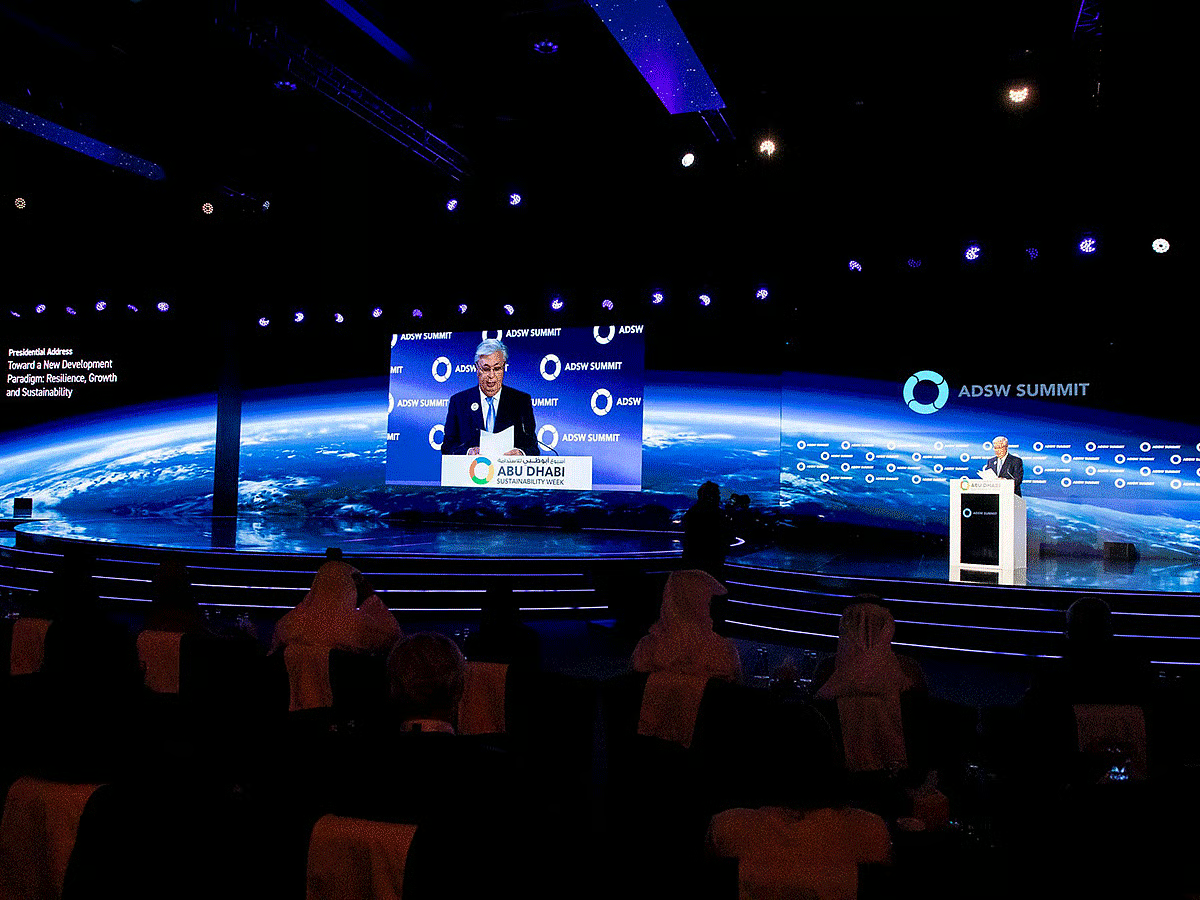

The Abu Dhabi Sustainability Week (ADSW) Summit, a key event in the global sustainability calendar, will be held on January 13-14, 2026, at the ADNEC Centre in Abu Dhabi. The 2026 summit focuses on accelerating the transition to sustainable economies, with a particular emphasis on the interconnectedness of energy, finance, food, and technology. Organizers are positioning the event as a crucial platform for aligning global policy, attracting investment, and fostering innovation in these critical areas. This year’s sustainability summit aims to move beyond discussion and towards concrete implementation strategies.
Abu Dhabi Sustainability Summit 2026: A Nexus of Systems
The overarching theme of “The Nexus of Next All Systems Go” underscores the belief that addressing complex sustainability challenges requires a holistic approach. Rather than treating energy, food, water, and finance as separate issues, the summit will explore synergies and dependencies between them. This reflects a growing awareness that siloed solutions are insufficient to achieve meaningful progress towards environmental and economic sustainability.
According to the event organizers, the agenda includes over 30 dedicated sessions designed to facilitate action. These sessions will incorporate keynote addresses, panel discussions, and fireside chats led by prominent figures from across the globe. A core component will be dedicated leadership segments featuring heads of state and senior government officials.
Global Leaders Converge
Confirmed speakers demonstrate the summit’s international scope and cross-sectoral appeal. Mariam Almheiri, Head of International Affairs at the Presidential Court and Managing Director of 2pointZero, will participate alongside Abdulla Humaid Al Jarwan, Chairman of the Abu Dhabi Department of Energy. These leaders represent the UAE’s commitment to driving sustainable development.
International representation includes Olli Rehn, a former European Commissioner, and Olafur Grímsson, the former President of Iceland. Additionally, senior executives from major global energy and investment firms are scheduled to speak, signaling the summit’s intention to attract capital to sustainable projects.
Industry leaders such as Patrick Pouyanné (TotalEnergies), Ignacio Galán (Iberdrola), Talal Al Dhiyebi (Aldar Properties), and James Rothschild are also expected to attend. This broad range of perspectives will aim to provide a comprehensive view of the challenges and opportunities associated with the energy transition and achieving broader sustainability goals.
Beyond Energy: Food, Water, and Technology
While energy transition remains a key focus, the sustainability summit will also dedicate significant attention to food and water security. The interplay between these resources and energy systems is increasingly recognized, particularly in arid regions like the UAE. These discussions will likely center on innovative solutions to improve resource efficiency and resilience.
The growing role of artificial intelligence (AI) in reshaping economic systems will also be a prevalent topic. AI’s potential to optimize energy consumption, improve agricultural yields, and enhance disaster preparedness is garnering increasing interest from policymakers and investors. The summit will explore both the benefits and risks associated with deploying AI for sustainability.
The increasing adoption of renewable energy sources is another area of focus within the broader energy transition debate. Discussions will likely address strategies for integrating renewables into existing grids, developing energy storage solutions, and scaling up production of green hydrogen.
A Wider Week of Sustainability Forums
The ADSW Summit is anchored by a larger week of related events, creating a comprehensive forum on sustainability. These include the IRENA Assembly, a gathering of representatives from the International Renewable Energy Agency. The World Future Energy Summit will showcase innovative technologies and projects in the renewable energy sector.
The Zayed Sustainability Prize awards will recognize outstanding achievements in sustainability, while dedicated forums will address climate finance—a critical enabler of the energy transition—hydrogen technologies, and youth engagement. There will also be specific attention given to the needs and challenges of the Global South. According to the Ministry of Climate Change and Environment, initiatives like these are pivotal in achieving the UAE’s Net Zero 2050 strategic initiative.
These complementary events are designed to reinforce Abu Dhabi’s position as a global hub for sustainability leadership. The strategy aims to blend ambitious policy commitments with targeted investment and technological innovation.
Looking ahead, the full list of attendees and a detailed agenda for the summit are expected to be released closer to January 2026. Key areas to watch include the specific policy announcements made during the leadership segments, the level of investment commitments generated, and the degree of consensus achieved on integrating different sustainability systems. The impact of geopolitical events and global economic conditions on the summit’s outcomes will also be a significant factor. The focus on climate action and securing financial investments for sustainable solutions will be critical indicators of the summit’s success.