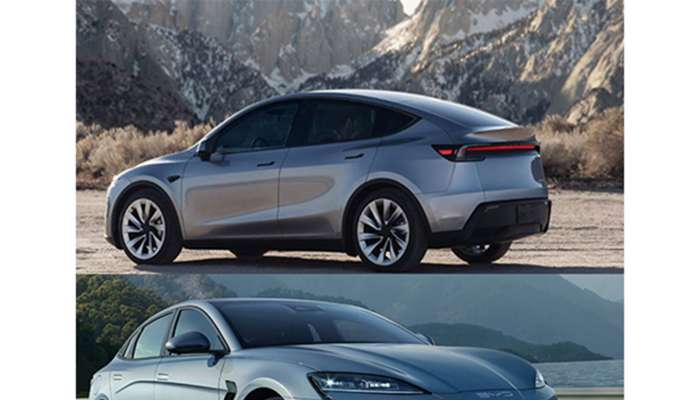

The global electric vehicle (EV) landscape experienced a seismic shift in 2025, with Chinese automaker BYD overtaking Tesla as the world’s leading EV seller. This marks the first time Tesla has relinquished its top spot, signaling a growing challenge from Chinese manufacturers and a potential turning point in the automotive industry. A recent report from the Global Times details the changing dynamics, highlighting BYD’s impressive growth and Tesla’s unexpected decline. This article will delve into the factors driving this change and what it means for the future of electric vehicle sales.
BYD’s Ascent to Global EV Leadership
BYD’s success in 2025 wasn’t a narrow victory; it was a substantial lead. The company reported delivering a total of 4.6 million vehicles, a 7.7% increase from 2024. Crucially, electric vehicle sales specifically surged by 28%, reaching 2.25 million units. This demonstrates a clear and accelerating demand for BYD’s electric offerings across various markets.
This growth isn’t accidental. It’s the result of strategic investments and a focused approach to the EV market. BYD has been aggressively expanding its product line, offering a range of electric cars, buses, and even batteries, catering to diverse consumer needs and budgets.
A Strong Domestic Foundation
A key element of BYD’s success lies in its strong foothold within the Chinese domestic market. China is currently the world’s largest EV market, and BYD has capitalized on this by building a robust supply chain and benefiting from supportive government policies. These policies include subsidies for EV purchases, investment in charging infrastructure, and regulations favoring domestically produced vehicles.
Tesla’s First Annual Sales Decline
In stark contrast to BYD’s growth, Tesla reported its first-ever annual decline in deliveries in 2025, with 1.63 million units sold – an 8.6% decrease year-on-year. Production also fell, dropping 6.7% to 1.73 million units compared to 2024 levels. This downturn has raised concerns about Tesla’s future dominance in the EV market.
Several factors contributed to Tesla’s performance. Increased competition, particularly from Chinese manufacturers, played a significant role. Additionally, broader economic headwinds and shifting consumer preferences may have impacted demand. The company also faced challenges related to production capacity and logistical issues in certain regions.
Reliance on Chinese Production
Interestingly, the Global Times report points out that even Tesla relies heavily on its Gigafactory in China to meet its delivery targets. This highlights the importance of the Chinese manufacturing base in the global EV supply chain and underscores the competitive advantage enjoyed by domestic players like BYD. This dependence also makes Tesla vulnerable to geopolitical factors and potential disruptions in the region.
The Rise of Chinese EV Manufacturers
The shift in electric vehicle sales leadership isn’t solely about BYD’s success and Tesla’s struggles. It’s indicative of a broader trend: the increasing competitiveness of Chinese new-energy vehicle (NEV) manufacturers.
According to Cui Dongshu, secretary-general of the China Passenger Car Association, these companies are consistently investing in research and development (R&D), rapidly advancing their technologies, and building comprehensive industrial chains. This is all underpinned by China’s advanced manufacturing capabilities and a supportive domestic ecosystem.
Integrated Supply Chains and Innovation
Chinese EV makers have focused on vertical integration, controlling more of the supply chain from battery production to vehicle assembly. This provides greater cost control, reduces reliance on external suppliers, and allows for faster innovation. Furthermore, the intense competition within the Chinese market is driving companies to constantly improve their products and services. This focus on innovation extends beyond just vehicle technology to include battery technology, charging solutions, and autonomous driving capabilities. The development of solid-state batteries, for example, is a key area of focus for many Chinese manufacturers.
Implications for the Future of the EV Industry
The changing of the guard in electric vehicle sales has significant implications for the future of the automotive industry. It signals a more diversified and competitive landscape, where Chinese manufacturers are no longer simply followers but are actively shaping the market.
Looking ahead, industry analysts predict that Chinese EV makers will continue to maintain their competitive edge as their supply chains and industrial bases expand. This expansion will likely involve increased investment in overseas markets, potentially leading to greater price competition and a wider range of EV options for consumers globally.
The pressure is now on Tesla and other established automakers to adapt to this new reality. They will need to accelerate their own innovation, optimize their production processes, and strengthen their supply chains to remain competitive in the face of the rising tide of Chinese EV manufacturers. The competition will also likely benefit consumers, driving down prices and accelerating the adoption of electric vehicles worldwide.
This shift also highlights the importance of government support and infrastructure development in fostering the growth of the EV industry. Countries that prioritize these areas are likely to attract investment and become hubs for EV innovation and production.
Ultimately, the future of the EV market will be determined by a complex interplay of technological advancements, economic factors, and government policies. However, one thing is clear: the rise of Chinese EV manufacturers is a force to be reckoned with, and it will reshape the automotive industry for years to come.