
The recent escalation of conflict in Yemen, marked by clashes between Saudi-led coalition forces and Emirati-backed separatists, is raising serious concerns about regional stability. The situation, highlighted by strikes in Mukalla and diplomatic efforts across the Gulf, underscores the complex dynamics at play in the ongoing Yemen conflict. This article will delve into the recent developments, the positions of key players, and the international response to the growing tensions.
Recent Escalation of the Yemen Conflict
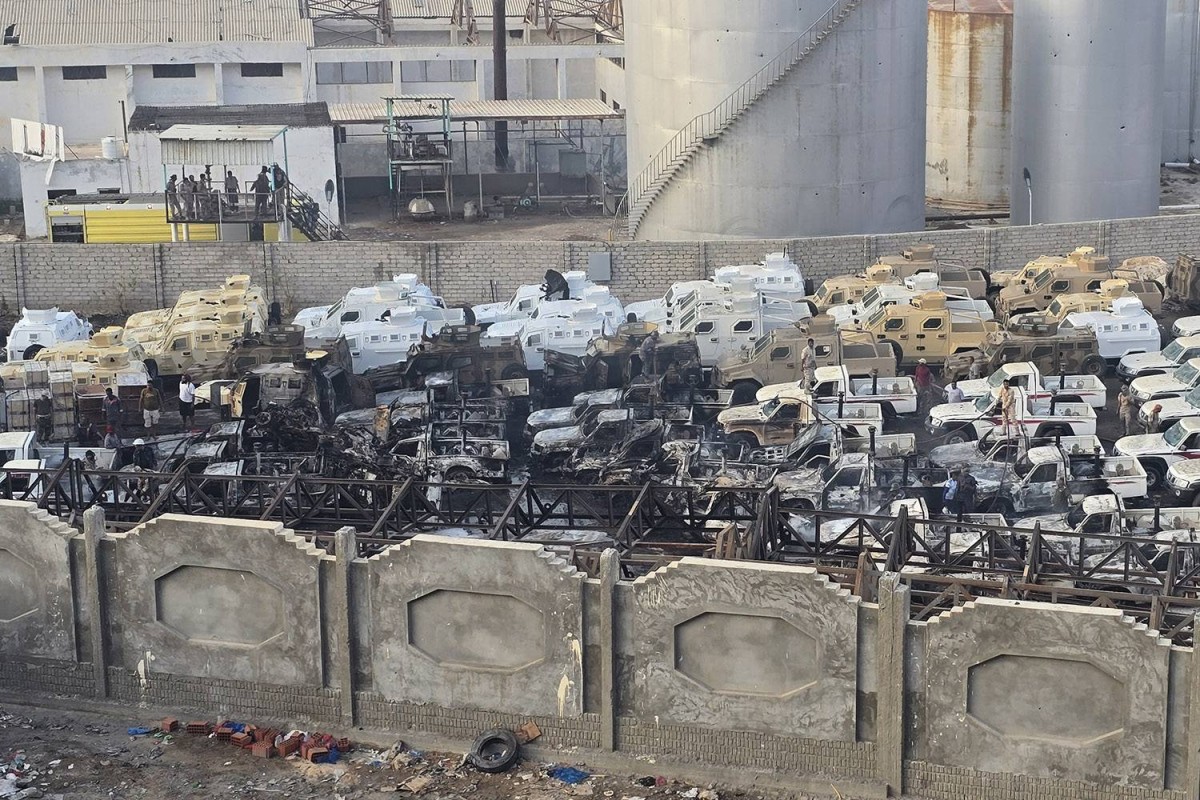
The latest bout of fighting erupted in late December 2025, with the Saudi-led coalition launching airstrikes against forces supported by the United Arab Emirates in southern Yemen. This action followed Saudi Arabia’s public statement characterizing UAE support for a separatist offensive as a direct threat to the kingdom and broader regional security. The strikes, including those targeting the port city of Mukalla, signal a significant deterioration in the already fragile relationship between the two Gulf powers.
The immediate trigger appears to be the UAE’s backing of the Southern Transitional Council (STC), a separatist group seeking independence for South Yemen. While the UAE has announced the end of its remaining military mission in Yemen, its continued support for the STC has been viewed by Saudi Arabia as undermining efforts to establish a unified Yemeni government.
The Role of Mukalla in the Conflict
Mukalla, a strategically important port city in southern Yemen, has become a focal point in the recent clashes. The Saudi-led coalition’s strikes on military vehicles in the area demonstrate the seriousness with which they view the separatist movement’s control over key infrastructure. Control of ports like Mukalla is crucial for both economic activity and the flow of arms, making it a vital asset in the Yemen conflict.
Regional Reactions and Diplomatic Efforts
The escalating tensions have prompted a flurry of diplomatic activity across the Gulf region. Kuwait has firmly affirmed its unwavering support for the legitimate Yemeni government and stressed the importance of safeguarding Yemen’s unity and territorial integrity. Kuwait’s foreign ministry emphasized that the security of Saudi Arabia and the Gulf Cooperation Council (GCC) is integral to its own national security.
Additionally, Bahrain has expressed its support for dialogue and a political solution, while Qatar reiterated that the security of Saudi Arabia and other Gulf nations is inseparable from its own. Oman has taken a more proactive diplomatic role, with its foreign minister meeting with his Saudi counterpart in Riyadh to discuss a potential political resolution to the crisis. These efforts highlight a regional consensus on the need to de-escalate the situation and find a peaceful path forward.
International Involvement and Concerns
The United States has also weighed in on the situation. Secretary of State Marco Rubio engaged in discussions with both Saudi and UAE foreign ministers, addressing the tensions in Yemen and their broader implications for Middle East security. This engagement underscores the international community’s concern about the potential for the Yemen conflict to further destabilize the region. The US, along with other international actors, is likely pushing for a return to negotiations and a commitment to a comprehensive political settlement. The ongoing humanitarian crisis in Yemen, already one of the worst in the world, adds further urgency to the need for a peaceful resolution.
The Future of Yemen and Regional Stability
The current situation presents a significant challenge to the prospects for peace and stability in Yemen. The rift between Saudi Arabia and the UAE, two key players in the coalition, complicates efforts to achieve a unified political solution. The continued support for separatist movements, coupled with the ongoing humanitarian crisis, creates a volatile environment ripe for further conflict.
The path forward requires a renewed commitment to dialogue, diplomacy, and a focus on the needs of the Yemeni people. A lasting solution must address the underlying grievances of all parties involved, including the Southern Transitional Council, and ensure a fair and equitable distribution of power and resources. The international community must continue to play a constructive role in facilitating negotiations and providing humanitarian assistance. The resolution of the Yemen conflict is not just a matter of regional security, but a moral imperative to alleviate the suffering of millions of Yemenis.
Ultimately, the future of Yemen hinges on the willingness of all stakeholders to prioritize peace and stability over narrow political interests. A failure to do so risks prolonging the conflict and exacerbating the already dire humanitarian situation. The need for a comprehensive and inclusive political process, backed by international support, has never been more urgent.