







Kuwait has once again demonstrated its commitment to social welfare with the successful completion of its third national campaign to settle citizen debts. The initiative, concluding this week, provided crucial financial relief to 2,635 Kuwaiti citizens, totaling KD 15,373,729 in debt clearance. This latest effort builds upon previous campaigns, showcasing a sustained dedication to supporting those facing financial hardship and strengthening the nation’s social safety net.
Kuwait Debt Relief Campaign: A Resounding Success
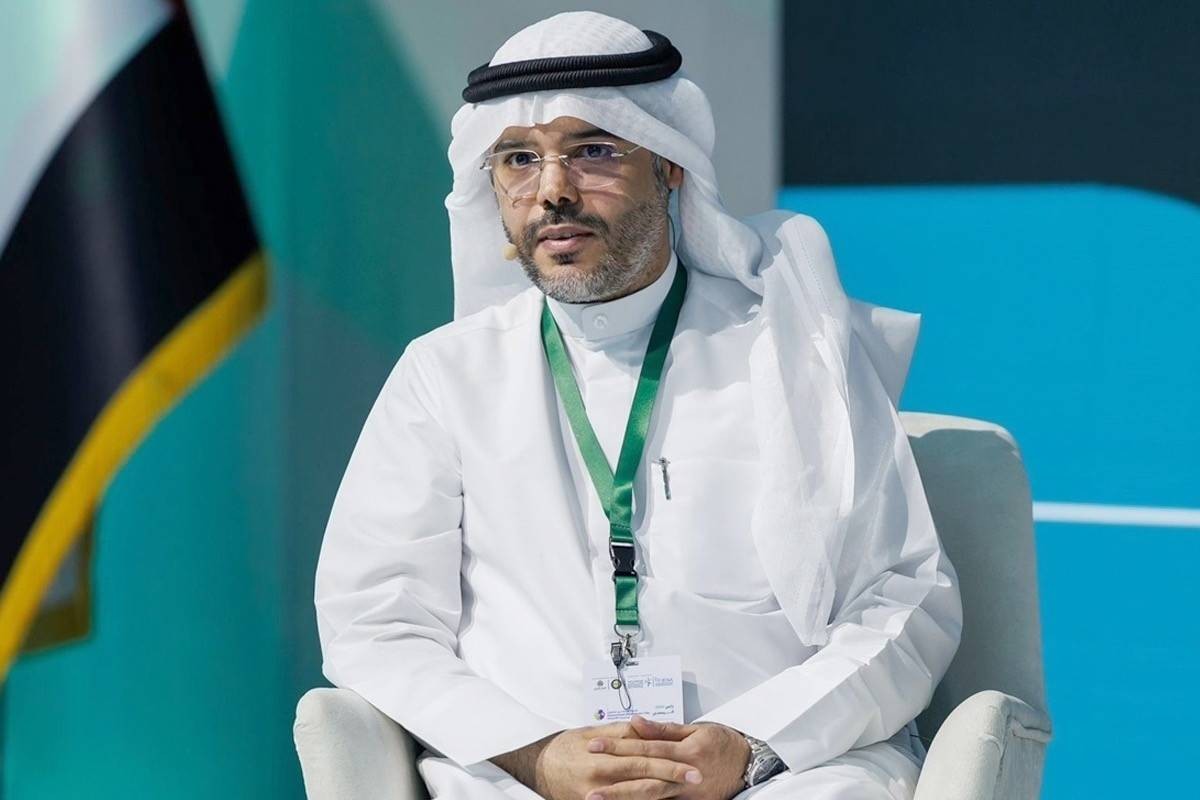
The campaign, spearheaded by the Ministry of Social Affairs, saw the final batch of payments transferred to the Ministry of Justice, initiating the legal processes required to officially clear the debts of beneficiaries. Khaled Al-Ajmi, Undersecretary of the Ministry of Social Affairs and head of the campaign’s higher committee, highlighted the significant progress made.
“The campaign achieved results that surpassed those of the first and second campaigns, both in total funds disbursed and the number of files handled,” Al-Ajmi stated. This success underscores the power of collaborative efforts between government bodies and community organizations in addressing critical social issues. The initiative isn’t simply about financial assistance; it’s about restoring dignity and stability to families burdened by debt.
Impact Beyond Financial Relief
The positive ripple effects of this debt settlement extend far beyond the immediate financial benefits. The closure of 4,345 files at the Ministry of Justice signifies a substantial reduction in legal and financial burdens for numerous families. This, in turn, fosters social and psychological stability, allowing individuals to rebuild their lives and contribute more fully to society.
Payments were strategically distributed across six batches, ranging from KD 5,000 to KD 16,500 per individual. The distribution breakdown included 425 beneficiaries in the first batch, 767 in the second, 620 in the third, 480 in the fourth, 286 in the fifth, and 57 in the final batch. This phased approach ensured efficient and organized disbursement of funds.
Ensuring Fairness and Transparency in Kuwait’s Financial Aid
Al-Ajmi emphasized the rigorous process employed to ensure fairness and transparency throughout the campaign. The selection criteria were carefully designed to prioritize those most in need, and the application process was meticulously reviewed. Over 9,000 applications were received, demonstrating the significant demand for such assistance.
However, to maintain the integrity of the program and adhere to legal requirements, certain cases were excluded. These included individuals already benefiting from previous campaigns, debts owed to telecom companies, and obligations to government entities. This careful screening process was vital to ensuring resources were directed to those who qualified and would benefit most.
Collaborative Review Process
The evaluation of applications was entrusted to six specialized technical and legal committees. These committees comprised representatives from key ministries and organizations, including the Ministry of Justice, Ministry of Interior, Ministry of Islamic Affairs, General Secretariat of Awqaf Zakat House, and the Ministry of Social Affairs.
“All decisions were made collectively with official bodies, reinforcing governance principles and institutional cooperation,” Al-Ajmi explained. This collaborative approach ensured a comprehensive and unbiased assessment of each application, bolstering public trust in the Kuwait financial assistance program.
Gratitude and Future Commitment to Social Security
Al-Ajmi expressed sincere gratitude to Kuwait’s leadership for their unwavering support and guidance. He also acknowledged the Cabinet’s role in removing obstacles and enhancing coordination, as well as the dedicated follow-up from Minister Dr. Amthal Al-Huwaila.
Furthermore, he extended appreciation to the generous donors who contributed to the campaign’s success. These included Kuwait Finance House, Zakat House, the Kuwait Red Crescent Society, the heirs of Issa Abdullah Al-Othman, the Awqaf General Secretariat, cooperative and charitable societies, and numerous individual supporters. This collective generosity exemplifies Kuwait’s strong tradition of philanthropy and community support.
The Ministry of Social Affairs remains steadfast in its commitment to strengthening social security and protection. Looking ahead, the ministry aims to continue fostering family and community stability within a robust legal framework, upholding Kuwait’s humanitarian values. This latest Kuwait debt relief campaign serves as a powerful example of the nation’s dedication to its citizens and its proactive approach to addressing social challenges. The success of this initiative will undoubtedly inform future efforts to provide vital support to those in need and build a more equitable and prosperous society for all.