




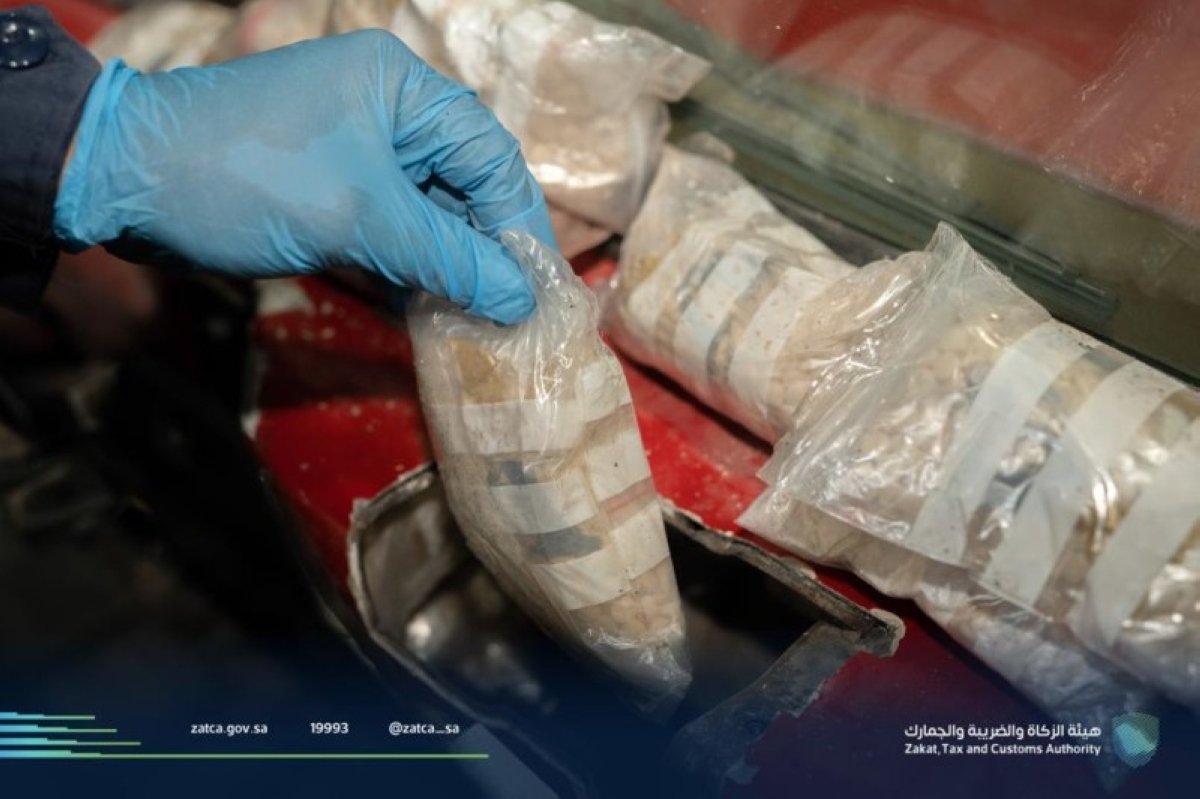

Saudi Arabian authorities recently intercepted a significant drug smuggling operation at King Khalid International Airport in Riyadh, uncovering over 38,000 amphetamine pills hidden within a postal shipment. The Zakat, Tax and Customs Authority (ZATCA) successfully thwarted the attempt, demonstrating the nation’s ongoing commitment to border security. This seizure highlights the persistent challenges posed by transnational criminal organizations attempting to exploit the Kingdom’s logistics networks.
The intercepted package originated from an undisclosed location and was flagged during routine customs inspections conducted at the airport. Following the discovery, ZATCA coordinated with the General Directorate of Narcotics Control, leading to the arrest of two individuals within Saudi Arabia who were intended recipients of the illicit shipment. The operation underscores the multi-agency approach taken by Saudi Arabia to counter narcotics trafficking.
Strengthening Customs Oversight to Combat Drug Smuggling
ZATCA spokesperson Hammoud Al-Harbi emphasized the agency’s dedication to bolstering customs control at all points of entry – land, sea, and air. This commitment, he stated, is a cornerstone of their strategy to safeguard Saudi society and its national security. The seizure reflects the effectiveness of the advanced technologies and detection methods utilized by Saudi customs officials.
Saudi Arabia’s geographic location makes it a key transit route for illicit goods, including narcotics, moving between regional production centers and international markets. The country has significantly increased its investments in border security technology in recent years, demonstrating a proactive stance against illegal activities. These investments complement the work of customs agents and law enforcement personnel.
Advanced Technologies and Inspection Protocols
According to ZATCA officials, the successful interception relied on the deployment of state-of-the-art security scanning equipment. These technologies are designed to identify concealed substances without physically opening the packages, expediting the inspection process and minimizing disruption to legitimate trade. Additionally, trained customs canines played a role in the detection of the drugs.
The implementation of live detection methods, involving highly trained personnel, further strengthens the inspection process. This layered approach allows customs authorities to effectively address evolving smuggling techniques. Regular training and updates on new concealment methods are essential for maintaining the effectiveness of these operations.
The specifics regarding the origin and intended final destination are currently not public. However, the scale of the shipment suggests a well-organized operation likely connected to a larger network. Authorities are continuing to investigate the source and any potential accomplices involved in the attempt.
Saudi Arabia maintains stringent laws regarding drug trafficking, with severe penalties for those convicted of such offenses. The Kingdom’s commitment to combating this issue stems from a desire to protect its citizens from the harms associated with substance abuse. This also contributes to regional stability by disrupting the flow of funds to criminal organizations.
ZATCA actively encourages public participation in the fight against smuggling. Individuals are urged to report any suspicious activity through the dedicated hotline 1910, via email at zdtca.gov.sa, or using the international number +9661910. All reports are treated with strict confidentiality.
Furthermore, the authority offers financial rewards for information that leads to the successful apprehension of smugglers or the seizure of contraband. This incentive program aims to increase vigilance and empower citizens to contribute to national security efforts. The details concerning the value of rewards are usually determined on a case-by-case basis.
This interception follows a series of similar seizures at Saudi ports of entry in recent months, indicating an ongoing trend of attempted narcotics importation. These incidents frequently involve concealing drugs within commercial goods and utilizing postal or express mail services. The authorities have shown a consistent ability to detect and disrupt these efforts.
The increased focus on customs enforcement is aligned with Saudi Vision 2030, a strategic framework aimed at diversifying the economy and enhancing the overall quality of life. Strengthening border security is perceived as vital to create a safe and stable environment for economic growth and social development. Counter-terrorism efforts also benefit from robust customs controls.
Moving forward, ZATCA is expected to continue expanding its use of advanced technologies and intelligence-gathering capabilities. Further details regarding the investigation into the amphetamine seizure may emerge pending ongoing inquiries. What remains to be seen is whether authorities will be able to dismantle the wider network linked to this particular attempt, and whether current strategies will continue to effectively deter future smuggling operations.
The long-term impact of these intensified security measures will be evaluated based on the frequency of successful interdictions, the volume of narcotics seized, and the overall disruption to trafficking networks.