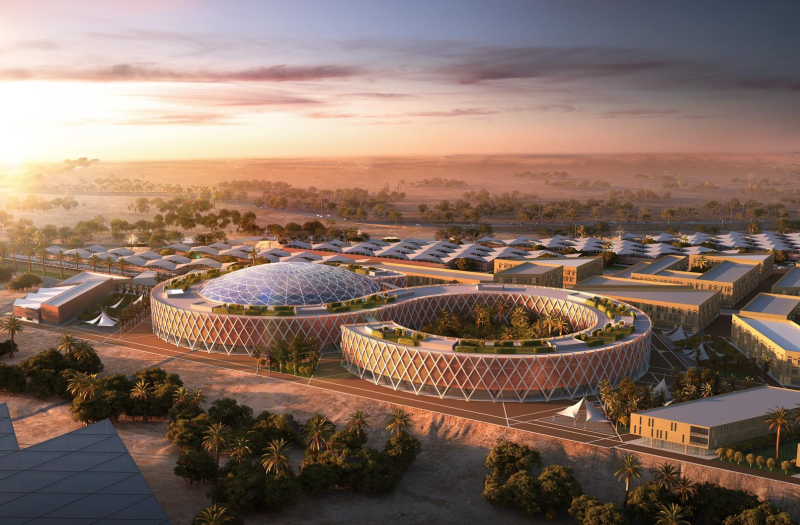

Riyadh, Saudi Arabia – Saudi Arabia has officially entered the global competition for leadership in digital infrastructure with the launch of Hexagon, the world’s largest Tier IV government data center. This marks a significant step in the Kingdom’s ambitious Vision 2030 plan to become a major player in the data- and AI-driven economy, signaling a substantial investment in its technological future.
Unveiled in Riyadh, the Hexagon data center represents a strategic move by Saudi Arabia to leverage data as a core component of national development. The project is spearheaded by the Saudi Data and Artificial Intelligence Authority (SDAIA) and aims to bolster the nation’s economic diversification and long-term competitiveness in an increasingly digital world. According to SDAIA, the initiative is designed to ensure data sovereignty and support the growth of advanced technologies.
The Rise of Hyperscale Data Centers and Saudi Arabia’s Strategy
The concept of data centers has evolved dramatically since the early days of computing. Initially requiring simply climate-controlled rooms for mainframe computers, they’ve become increasingly vital with the proliferation of the internet and, more recently, the explosion of artificial intelligence. The demand for processing power, particularly for generative AI applications, has driven the need for hyperscale facilities like Hexagon.
Saudi Arabia’s investment reflects a global trend. Data is now considered a critical asset, and nations are vying to establish themselves as hubs for its storage, processing, and analysis. The Kingdom’s national data and AI strategy, launched in 2019, has been instrumental in attracting international technology firms and positioning Saudi Arabia as a key player in the Middle East’s digital economy.
Building a Foundation of Regulation and Trust
Beyond the physical infrastructure, SDAIA has focused on establishing a robust regulatory framework for data and AI. This includes the Personal Data Protection Law and associated regulations, as well as national principles for generative AI and a National Data Controllers Registry. These measures are intended to foster trust in digital systems and ensure responsible technology adoption.
Additionally, the authority has developed AI adoption frameworks designed to promote sustainable development and safeguard privacy. These efforts aim to balance innovation with ethical considerations and responsible data governance.
Hexagon: A Model for Sustainable and Reliable Data Infrastructure
Hexagon is not just about scale; it’s also about sustainability and reliability. The facility has been designed to meet LEED Gold standards, demonstrating a commitment to environmental responsibility. It incorporates advanced energy-efficiency solutions, including smart cooling systems and direct liquid cooling, to minimize its environmental impact.
The data center boasts a capacity of up to 480 megawatts and spans over 30 million square feet. It utilizes hybrid cooling technologies and integrates renewable energy sources to achieve extremely low power usage effectiveness. This focus on sustainability aligns with Saudi Arabia’s broader environmental goals.
Global Certifications and Unmatched Uptime
Hexagon’s design adheres to the TIA-942 global engineering standard, ensuring dual independent systems and pathways for operational reliability. It has also achieved Tier IV certification, the highest global standard for data centers, guaranteeing 99.995% availability and full fault tolerance. The facility also holds ISO/IEC 22237 certification, a benchmark for infrastructure availability and risk protection.
These certifications demonstrate a commitment to providing a secure and stable operating environment for critical government digital services. They also signal Saudi Arabia’s dedication to meeting international standards for data infrastructure.
SDAIA projects that the data center strategy will generate a cumulative local economic impact exceeding SR10 billion and annual financial savings of over SR1.8 billion. This will contribute to non-oil revenues and strengthen the national economy. Furthermore, the initiative is expected to improve the quality of life for citizens and residents through enhanced digital government services.
Looking ahead, SDAIA plans to develop additional data centers across the Kingdom to meet growing demand and ensure maximum system availability. The success of Hexagon will likely influence future investments in digital infrastructure and further solidify Saudi Arabia’s position as a regional technology leader. The ongoing development of regulatory frameworks and the integration of emerging technologies, such as quantum computing, will be key factors to watch in the coming years.