






A Bahraini school student has developed a potentially life-saving device designed to combat a tragically common, yet preventable, danger: passengers being left behind in vehicles. Mohammed Al-Sayed Hadi Alawi, a student at Al-Bilad Al-Qadeem Primary Preparatory School for Boys, has created a smart car alarm system that proactively alerts drivers to the presence of passengers, particularly those who might be overlooked – like sleeping children or elderly individuals. This innovation highlights the growing role of young minds in addressing real-world safety concerns through technology.
Bahraini Student Pioneers Driver Safety Innovation
The device, born from Alawi’s work in the school’s science lab, isn’t about preventing vehicle theft. Instead, it focuses entirely on passenger wellbeing. It’s designed to emit a continuous signal to the driver if a passenger remains inside the car or bus after the engine is switched off. This simple, yet effective, system aims to drastically reduce the number of incidents where individuals are accidentally left in hot or cold vehicles, situations that can quickly become critical.
Alawi expressed his immense pride in creating a product with such significant potential for positive impact. “I wanted to build something that genuinely helps people,” he stated, demonstrating a remarkable sense of social responsibility for someone his age. The project wasn’t just about technical skill; it was fueled by a desire to apply scientific knowledge to improve public safety.
The Importance of Preventing Vehicular Heatstroke & Hypothermia
Incidents of passengers, especially children, being left in vehicles lead to devastating consequences. Vehicular heatstroke, where a car’s internal temperature rises rapidly, is a leading cause of non-crash, heat-related deaths of children in the United States, and similar tragedies occur globally. Conversely, accidental hypothermia poses a threat in colder climates. A child safety device, like Alawi’s, directly tackles these preventable dangers.
School & Teacher Support Fuel Young Talent
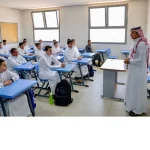
The development of this driver safety technology wasn’t a solitary endeavor. Professor Jaafar Hassan Al-Zayer, Alawi’s science teacher, played a crucial role, providing guidance and oversight throughout the project. He emphasized the school’s dedication to fostering student creativity and its commitment to providing an environment where technological innovation can flourish.
“We believe in nurturing the inherent talents of our students,” Professor Al-Zayer explained. “This project is a testament to their diligence, ingenuity, and capacity to translate scientific concepts into practical solutions. We encourage our students to think beyond the textbook.”
He further noted the benefit of hands-on learning, demonstrating how access to science lab equipment and supportive mentorship can empower students to produce impactful work. The school’s emphasis on practical application sets it apart and prepares students for future challenges in STEM fields.
Ministry of Education’s Role in STEM Advancement
The success of Alawi’s project also reflects the broader commitment of the Bahraini Ministry of Education to enhance learning opportunities within government schools. Mr. Hussein Ali Al-Darazi, the school principal, highlighted how initiatives like this demonstrate the early scientific aptitude and critical thinking skills of Bahraini students.
“This project is a shining example of the potential within our student population,” Mr. Al-Darazi stated. “The Ministry of Education is actively working to provide resources and support that empower these young innovators. We are focused on developing a generation of problem-solvers equipped to contribute meaningfully to society.” He believes this project signifies a step forward in integrating technology and practical learning into the educational curriculum.
The principal also acknowledged the importance of cultivating creative problem-solving alongside core academic subjects, fostering a more holistic approach to education. The emphasis is on equipping students to not only understand scientific principles, but also to apply them to address real-world issues.
Future Implications of the Smart Alarm System
While still under development, Alawi’s car passenger detection system holds considerable promise. Potential future iterations could include integration with vehicle systems to prevent locking while a passenger is inside, or remote alerts sent to guardians’ smartphones. The core principle, however – a proactive alert system to prevent accidental entrapment – remains the driving force behind the innovation.
Furthermore, the story of Mohammed Al-Sayed Hadi Alawi serves as an inspiration. It proves that age is no barrier to innovation and that given the right support, young people can develop solutions to complex problems. It also underscores the importance of investing in STEM education and encouraging students to explore the practical applications of their learning.
This project isn’t just a testament to one student’s ingenuity; it’s a herald of the innovative spirit blossoming within Bahrain’s young generation. It encourages further exploration of vehicle safety systems and highlights the role of education in creating a safer future for all. Promoting similar initiatives and fostering a culture of innovation within schools will undoubtedly yield further beneficial outcomes for the community.