


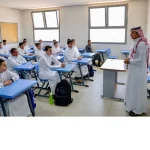




Doha, Qatar – The “I am Seven and I Will Pray” program, a key initiative within the broader Bunyan Winter Camp, recently concluded a four-day run at Granada Preparatory School for Girls. The program, designed to cultivate a deeper understanding and appreciation for prayer amongst young students, saw participation from 300 children from both public and private schools across Qatar. The camp aimed to deliver a modern, engaging approach to religious education, emphasizing the importance of worship in a holistic learning environment.
Held from Sunday to Wednesday, the program was offered in both Arabic and English, with 150 students attending each language track. According to the Ministry of Education and Higher Education, the camp represents a commitment to fostering balanced development – spiritually, morally, and intellectually – in Qatar’s youth.
Fostering a Love for Prayer in Young Muslims
The initiative is specifically targeted at children aged seven and eight, a critical period for forming lifelong habits and values. Organizers believe that instilling a love for prayer at this age is fundamental to building a strong moral foundation. This builds upon the inaugural “I am Seven and I Will Pray” initiative, expanding its reach and impact to a wider audience of students.
The program’s framework employed a “scientific methodology” (as described by organizers), utilizing four distinct educational stations. These stations weren’t lectures but interactive spaces designed to engage different learning styles. The stations addressed various aspects of prayer, from the physical act of purification to its spiritual and behavioral implications.
Interactive Learning Stations
The first station, “Purity is Light,” focused on Wudu, or ritual ablution. Through hands-on activities and creatively designed cards, students learned the steps involved and the significance of cleanliness before prayer. Additionally, teachers provided direct guidance and assistance during the practical application of these learnings.
“Al-Fatihah is the Key” centered around the foundational surah recited in every prayer. Students engaged with the verses through coloring and artistic expression, aiding in memorization and understanding of its meaning. This helped demonstrate the central role of Al-Fatihah in Islamic worship.
The “Prayer is a Connection” station used storytelling to explain the profound meaning of prayer and its role in connecting individuals to their faith. The narrative approach was used to break down the various steps of the prayer, detailing the actions taken before, during, and after.
Finally, “Strong Believer” connected the act of prayer to overall well-being, incorporating physical activity and remembrance. This station underscored the idea that religious observance isn’t separate from daily life, but rather an integral part of a healthy lifestyle. The emphasis on Islamic values aims to guide positive conduct within the community.
The opening day of the Bunyan Winter Camp saw attendance from several prominent figures in education and social work, signifying the broad support for youth development programs within Qatar. Their presence underscored the importance placed on aligning educational initiatives with societal values and the evolving needs of young learners.
The Bunyan Student Centre, which organized the camp, highlighted its commitment to providing year-round programs and activities for various age groups. Beyond the “I am Seven and I Will Pray” initiative, the centre focuses on integrating religious education with practical experiences. This creates an environment that fosters both cognitive and moral growth, extending learning beyond the traditional classroom setting.
Moving forward, the Bunyan Student Centre plans to continue offering similar programs throughout the year, potentially expanding to include more age groups and incorporating new educational approaches. The exact timing and scope of future initiatives remain to be determined, and observers will be watching to see how the centre adapts its offerings based on feedback and evolving educational priorities within Qatar. The long-term success of these programs hinges on continued collaboration with the Ministry of Education and Higher Education and other stakeholders in the community.