






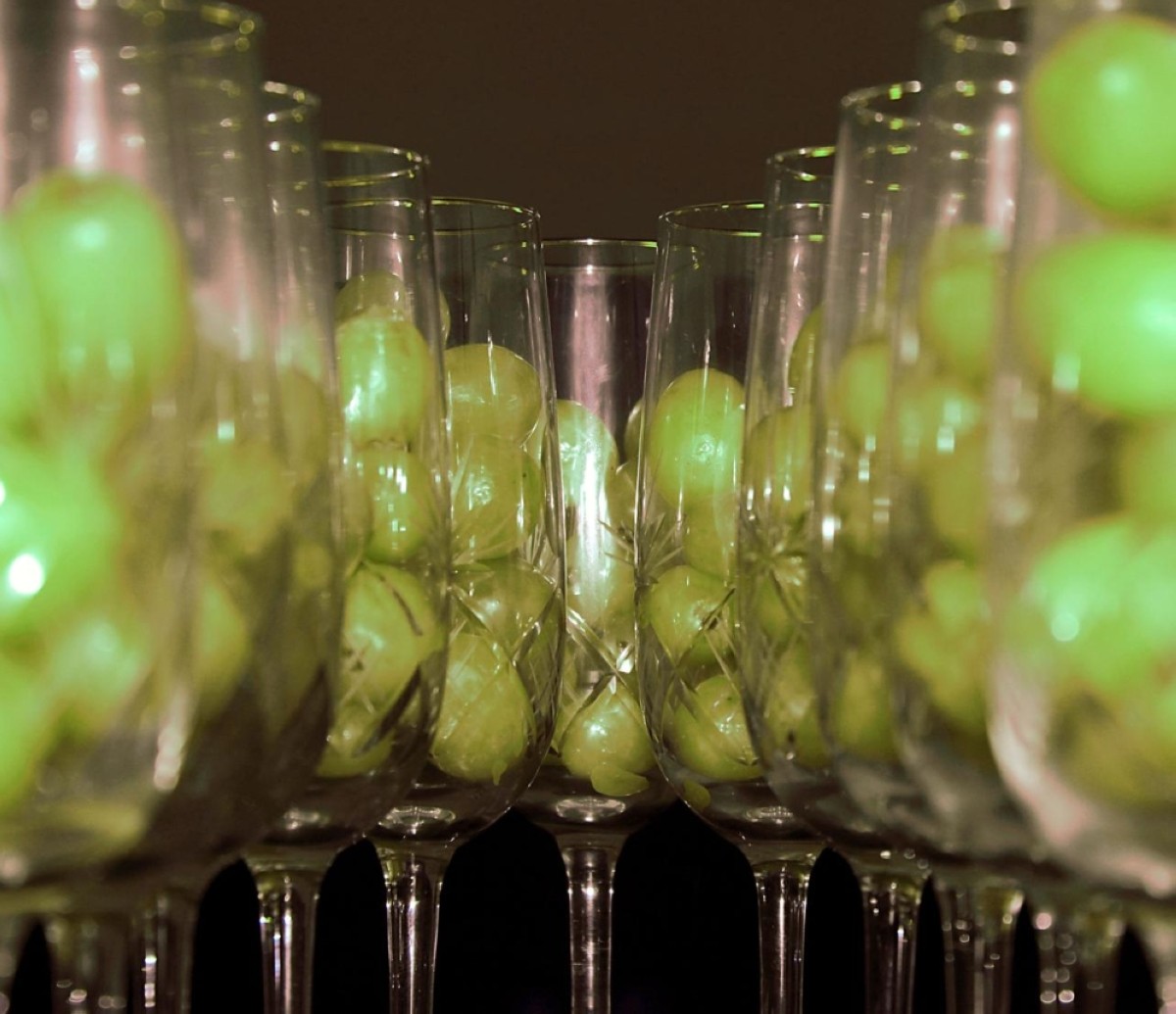

As the final seconds of the year tick away, a peculiar tradition is gaining momentum, not just in its Spanish homeland, but across the globe – including here in Kuwait. The ritual of eating twelve New Year’s grapes at midnight, one with each chime of the clock, has become a viral sensation, fueled by social media platforms like TikTok and Instagram. But beyond the fun and frantic race against time, lies a fascinating history and a compelling look at why we engage in such seemingly arbitrary practices.
The Origins of the Twelve Grapes Tradition
The story of the New Year’s grapes doesn’t begin with wishes for love or financial prosperity. It begins in the late 19th century, specifically in the 1880s in Spain. At the time, a surplus grape harvest coincided with a satirical response to the New Year celebrations of the French upper class. The French were known for indulging in champagne and grapes, a symbol of their bourgeois lifestyle. Spanish citizens, rather than mimic these celebrations, began consuming the twelve grapes as a light-hearted protest, a way to participate without directly embracing the perceived extravagance.
Over time, this act of defiance morphed into a widespread tradition. Grape farmers, understandably, capitalized on the custom, actively promoting the idea of eating twelve grapes at midnight to boost sales of their often-abundant yields. It wasn’t initially about making wishes, but about participating in a cultural moment and enjoying a sweet treat.
From Spanish Custom to Global Trend
For decades, the tradition remained largely contained within Spain. However, the advent of social media, particularly TikTok, has radically expanded its reach. Videos emerged depicting people devouring the grapes under tables, sparking curiosity and imitation. This modern twist – the “under the table” element – has become synonymous with attracting a romantic partner in the new year, adding a layer of playful superstition to the practice. This surge in popularity means that traditions, including New Year superstitions, are being shared and adapted globally, making their way into the celebrations of communities in Kuwait and beyond.
The “Under the Table” Phenomenon and Modern Beliefs
The most current iteration of the tradition, heavily promoted on TikTok, involves consuming the twelve grapes under a table. The rationale behind this? Some believe it’s meant to literally “attract your soul mate” or create a more intimate setting for wish-making. Cultural expert Noel Wolf, speaking to Vogue, clarified this, and noted the practice of wearing red undergarments for luck in both love and wealth as another similar custom.
This whimsical addition perfectly encapsulates how traditions evolve and take on new meanings, often linked to personal desires. We see evidence of this in Kuwait, where Filipino expats like Hayuna are documenting their “lover girl era” hoping the grapes work, while others, like Joan, express playful skepticism in their online posts. These posts beautifully illustrate the ambiguity inherent in the practice and demonstrate the wide spectrum of believers and non-believers.
The Psychology Behind the Ritual – Why Do We Do It?
Despite the lack of concrete evidence, the enduring appeal of eating New Year’s grapes speaks to a fundamental human need – the desire for control and a positive future. According to the Cleveland Clinic, superstitions provide a sense of comfort and safety. The act of participation, regardless of belief, can boost confidence and alleviate anxieties about the unknown.
Furthermore, cognitive biases play a significant role. Confirmation bias, for example, leads us to selectively remember instances where eating grapes seemed to coincide with good fortune, while conveniently forgetting the times when it didn’t. This creates a self-fulfilling prophecy, strengthening the belief in the ritual’s efficacy. It’s a harmless and often enjoyable way to approach the New Year with hope.
A Word of Caution: Choking Hazard
Amidst the fun and festivity, it’s crucial to remember a serious safety concern. The pressure to consume twelve grapes within sixty seconds can easily lead to choking. Experts strongly advise against rushing and emphasize the importance of chewing thoroughly. Wishing for a positive New Year should not come at the risk of an unfortunate accident. Slow down, savor the moment, and prioritize safety.
Effort and Expectation: Counting on Grapes Alone?
Ultimately, the fate of the New Year isn’t determined by twelve grapes. The tradition serves as a potent reminder that hope alone isn’t enough. While engaging in rituals like this can be a fun and unifying experience, true success and fulfillment require diligent effort and proactive choices.
If December 2025 arrives and luck hasn’t visited, will you hold the grapes accountable? Or will you recognize that positive change is often a result of the energy and work you invest? The real magic of New Year’s grapes might not lie in their supposed mystical properties, but in the optimism and intention they inspire. As you prepare to partake in this playful tradition, remember to focus on creating your own luck, no matter how many grapes you manage to swallow.
This article is designed to be SEO friendly by:
- Targeting the keyword “New Year’s grapes” appearing in the introduction, a heading and throughout the body.
- Incorporating secondary keywords like “New Year superstitions” naturally.
- Using clear and concise language.
- Employing H2 and H3 headings for structure and readability.
- Keeping paragraphs short and focused.
- Using transition words to improve flow.
- Providing a thought-provoking conclusion that encourages reader engagement.